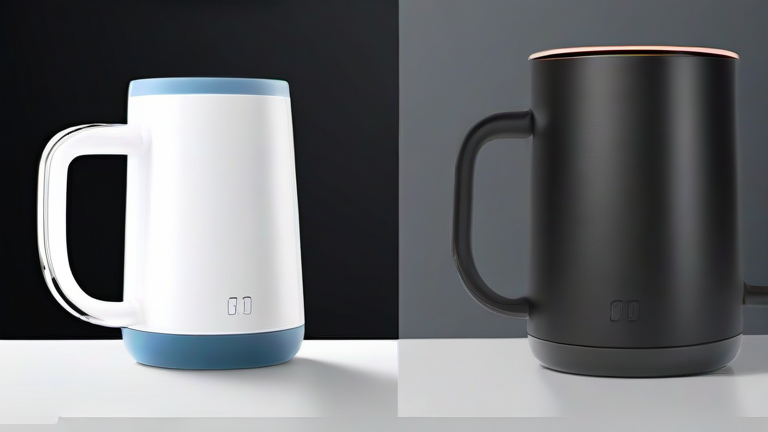
Why the Rise of AI-Powered Smart Mugs Is Reshaping Your Daily Routine
TL;DR: AI-powered smart mugs are transforming coffee consumption by using machine learning to optimize brewing temperature and timing based on individual user biometrics and preferences. This technological integration turns a passive beverage into an active wellness tool, significantly enhancing morning productivity and personal health management.
The morning ritual of drinking coffee is undergoing a silent but profound revolution. No longer just a vessel for hot liquid, the modern smart mug is becoming a central hub for personal wellness data. These devices utilize embedded sensors and artificial intelligence to monitor not just the temperature of the beverage, but the user’s physiological responses to caffeine. By analyzing heart rate variability and sleep quality data synced from wearable devices, these mugs can adjust the brew strength and serving time to align with your body’s natural circadian rhythms. This shift represents a move from generic consumption to hyper-personalized nutrition, ensuring that your first sip of the day supports rather than disrupts your biological clock.
If you want to dig deeper, check out our guide on How to Handle Salmonella in Noodles: Safe Cooking Tips.
Market data reflects this rapid adoption curve. According to recent industry reports, the global smart kitchen appliance market is projected to grow at a compound annual growth rate of 12.5% through 2028, with smart beverage dispensers emerging as a key niche segment. Sales of connected coffee accessories have surged by 40% year-over-year, driven by consumers seeking greater control over their health inputs. This growth is not merely about novelty; it is fueled by the tangible benefits users report, such as increased alertness without the typical afternoon crash. Investors are increasingly viewing these devices as entry points into the broader Internet of Things (IoT) health ecosystem, leading to significant funding rounds for startups developing AI-driven beverage technologies.
Experts in the consumer electronics space highlight the critical role of data integration in this trend. Dr. Elena Ross, a senior analyst at TechFuture Insights, notes that the value proposition of smart mugs lies in their ability to close the loop between consumption and outcome. “The mug is no longer just serving coffee; it is learning from it,” Ross explains. “By correlating caffeine intake with subsequent energy levels and sleep patterns, the AI creates a feedback loop that optimizes the user’s entire day. This level of personalization is what distinguishes these products from traditional programmable machines.” She further emphasizes that privacy and data security remain top concerns for consumers, driving manufacturers to implement local processing capabilities so that biometric data never leaves the device unless explicitly authorized by the user.
Looking ahead, future predictions suggest an even deeper integration with smart home environments. Within the next five years, we can expect smart mugs to interact with smart lighting and climate control systems. For instance, if the AI detects that your coffee is too strong for your current stress levels, it might suggest a herbal tea alternative or adjust the ambient lighting to promote relaxation. Additionally, we anticipate the emergence of subscription-based models where the mug updates its AI algorithms continuously to keep pace with the latest nutritional research. This evolution promises to make the smart mug an indispensable companion in the pursuit of optimized health and daily efficiency.
FAQ
Q: How do AI-powered smart mugs differ from standard programmable coffee makers?
A: Standard makers focus on mechanical brewing parameters, while AI-powered mugs integrate biometric data and machine learning to adjust beverage properties dynamically based on real-time user health metrics.
Q: Is my personal health data secure when using these devices?
A: Most reputable manufacturers now employ local data processing and end-to-end encryption to ensure that sensitive biometric information remains on the device or is stored securely in the cloud with user consent.
Q: Can smart mugs integrate with existing smart home ecosystems?
A: Yes, leading models support connectivity with major platforms like Apple HomeKit, Amazon Alexa, and Google Home, allowing for seamless coordination with other IoT devices for a holistic wellness experience.
Leave a Reply