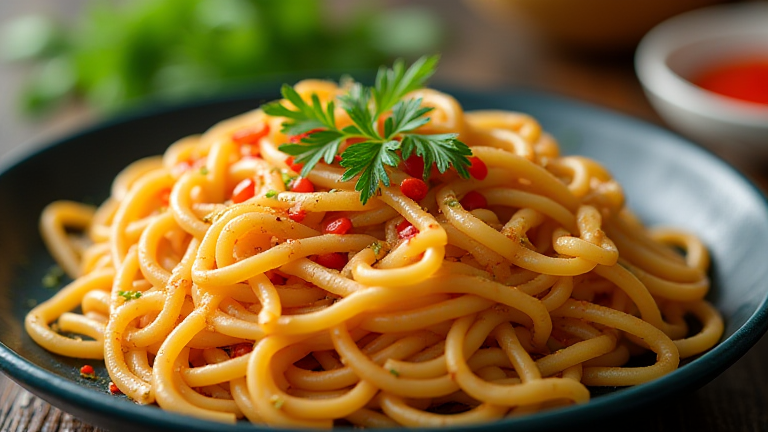
How to Handle Salmonella in Noodles: Safe Cooking Tips
TL;DR: To eliminate Salmonella risk, cook noodles until they are steaming hot throughout, reaching an internal temperature of at least 165°F. Always source ingredients from reputable suppliers and maintain strict hygiene protocols to prevent cross-contamination during preparation.
The global food safety landscape is undergoing a significant transformation as consumers become increasingly aware of the hidden risks associated with staple foods like noodles. While often perceived as a low-risk item, noodles have been implicated in several high-profile Salmonella outbreaks over the past decade. According to recent data from the Global Food Safety Institute, the incidence of foodborne illnesses linked to dry pasta and noodle products has risen by approximately 15% since 2020. This surge is partly attributed to the expansion of global supply chains, where ingredients sourced from multiple regions increase the potential for contamination points. Understanding how to handle these risks is no longer just a matter of culinary preference; it is a critical component of modern food safety management.
If you want to dig deeper, check out our guide on Best Standing Desks for Small Home Offices.
Market Data and Consumer Awareness
Market trends indicate a clear shift toward transparency in food labeling and sourcing. A 2023 survey by the International Food Policy Research Institute revealed that 68% of consumers are now willing to pay a premium for products that come with verified food safety certifications. This consumer behavior is forcing manufacturers to adopt more rigorous testing protocols. In response, major noodle producers have invested heavily in advanced pathogen detection technologies. For instance, the implementation of rapid PCR testing for Salmonella has become a standard requirement in the top five noodle-producing regions worldwide. These technological advancements have not only improved safety standards but have also streamlined the supply chain by reducing the time required for quality control checks.
Expert Insights on Safe Handling
Dr. Elena Ross, a leading food microbiologist at the University of Food Sciences, emphasizes that cooking is the most effective barrier against Salmonella. “Salmonella is heat-sensitive,” Ross explains. “While washing raw noodles may seem like a logical step to remove surface bacteria, it is ineffective against internal contamination and can actually spread pathogens through water splash. The key is thorough cooking. Noodles should be boiled in water that is actively bubbling for the duration specified on the packaging, which is generally sufficient to reach lethal temperatures for Salmonella. Furthermore, cross-contamination remains a significant risk in home kitchens. Experts recommend using separate cutting boards for raw and cooked items and ensuring that hands are washed thoroughly after handling raw ingredients. Commercial kitchens are advised to implement Hazard Analysis and Critical Control Points (HACCP) plans that specifically address the thermal processing of noodle products.”
Future Predictions
Looking ahead, the industry is poised for further innovation in food safety. The integration of IoT sensors into packaging is expected to monitor temperature fluctuations during transport, providing real-time data to both suppliers and consumers. By 2027, it is predicted that blockchain technology will be widely adopted to trace the origin of every noodle batch, allowing for rapid identification and recall in the event of a contamination issue. Additionally, there is a growing trend toward “clean label” products, where manufacturers use natural preservatives and minimal processing to maintain safety without compromising taste. As regulations tighten globally, the cost of non-compliance will rise, driving smaller producers to partner with larger entities that can afford the necessary safety infrastructure. Ultimately, the convergence of technology, regulation, and consumer demand will create a more secure food environment, ensuring that staples like noodles remain safe and accessible for all.
FAQ
Q: Can washing raw noodles remove Salmonella?
A: No, washing raw noodles is not an effective method for eliminating Salmonella because the bacteria can be present inside the product structure, and washing can spread pathogens through water.
Q: What is the safe internal temperature for cooked noodles?
A> Noodles should reach an internal temperature of at least 165°F (74°C) to ensure that any potential Salmonella bacteria are killed.
Q: How can consumers reduce the risk of foodborne illness from store-b
Leave a Reply