Category: Uncategorized

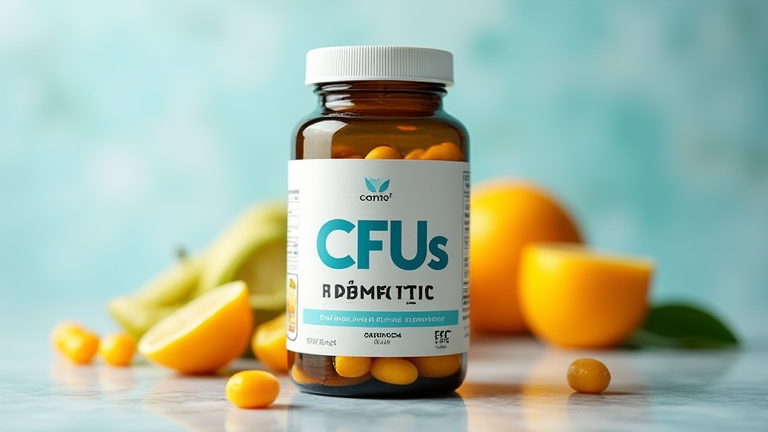
  • More CFUs in Probiotics? Why Higher Counts Don’t Equal Better

    More CFUs in Probiotics? Why Higher Counts Don’t Equal Better

    More CFUs in Probiotics? Why Higher Counts Don’t Equal Better

    TL;DR: Higher CFU counts do not guarantee better health outcomes because probiotic efficacy depends on strain-specific functionality, survival through digestion, and targeted delivery. Consumers should prioritize clinically validated strains with proven benefits over arbitrary billion-unit claims, as excessive dosing offers diminishing returns and may cause gastrointestinal discomfort.

    Market Analysis: The CFU Arms Race

    The global probotics market is experiencing exponential growth, driven by consumer demand for gut health solutions. However, a significant portion of this growth is fueled by marketing strategies that emphasize quantity over quality. Recent industry reports indicate that while the number of brands claiming “high potency” has increased by thirty percent in the last two years, scientific literature supporting the necessity of multi-billion CFU doses remains sparse. This creates a disconnect between consumer perception and clinical reality. Market trends show a shift from single-strain products to complex multi-strain formulas, often marketed with aggregate CFU counts that obscure the specific dosage of individual effective strains. This opacity allows manufacturers to compete on price and shelf appeal rather than clinical efficacy, leading to a saturated market where differentiation is increasingly difficult for informed consumers.

    If you want to dig deeper, check out our guide on Top 10 Sustainable Sneaker Trends Reshaping Street Style.

    Strategic Insights: Shifting the Narrative

    For businesses in the nutraceutical sector, the strategic imperative is to pivot from volume-based marketing to evidence-based credibility. Strategy insights suggest that brands should highlight bioavailability and strain-specific benefits rather than raw CFU numbers. A robust strategy involves transparent labeling that breaks down CFU counts by individual strain, allowing consumers to verify dosages against published clinical trials. Furthermore, investing in third-party testing for shelf-stability and survival rates provides a competitive edge. By educating consumers on the difference between live bacteria at time of manufacture versus live bacteria at time of consumption, companies can build trust. This approach aligns with the broader industry trend toward personalized nutrition, where specific health goals dictate probiotic selection, making targeted, lower-dose, high-efficacy products more valuable than generic, high-dose alternatives.

    Case Studies: Evidence Over Hype

    Case studies in clinical research consistently demonstrate that lower doses of specific strains can be more effective than high doses of non-specific strains. For instance, a study on Lactobacillus rhamnosus GG showed optimal efficacy for diarrhea prevention at 10 billion CFUs, with no significant additional benefit observed at 50 billion CFUs. Conversely, another trial involving Bifidobacterium lactis for immune support found that a dose of 20 billion CFUs yielded better immune markers than a 100 billion CFU multi-strain blend, highlighting the importance of strain purity and targeted application. These cases underscore that the “more is better” assumption is flawed. Successful brands that have adopted this nuanced approach report higher customer retention rates, as consumers feel they are receiving scientifically grounded products rather than marketing fluff.

    FAQ

    Q: What is the ideal CFU count for a probiotic?
    A: There is no universal ideal count; it depends on the specific strain and the health condition being addressed, with many effective studies using doses between 10 and 50 billion CFUs.

    Q: Do high CFU counts cause side effects?
    A: Yes, excessively high doses can lead to temporary gastrointestinal symptoms such as bloating and gas, particularly in individuals sensitive to sudden increases in gut microbial activity.

    Q: How should I choose a probiotic product?
    A: Select products that specify the strain names, list CFU counts per strain at time of consumption, and cite clinical studies supporting their specific health claims rather than relying solely on total CFU numbers.


    Related Articles

  • Can You Earn Cash Back on ACH Transfers?

    Can You Earn Cash Back on ACH Transfers?

    Can You Earn Cash Back on ACH Transfers?

    TL;DR: Generally, no, traditional ACH transfers do not generate cash back rewards because they are low-cost settlement methods rather than purchase transactions. However, specific fintech platforms and specialized corporate banking products may offer rebates or fee waivers that function similarly to cash back incentives.

    Market Analysis: The Economics of ACH

    The Automated Clearing House (ACH) system remains the backbone of domestic electronic payments in the United States, processing trillions of dollars annually. From a market analysis perspective, ACH transactions are significantly cheaper than wire transfers or card networks. The average cost to process an ACH transfer is a fraction of a cent per transaction, compared to the substantial interchange fees associated with credit and debit card payments. This cost structure dictates the reward landscape. Banks and financial institutions typically fund cash back rewards through interchange fees or merchant subsidies. Since ACH transfers bypass these fee structures, there is no inherent revenue stream for the financial institution to share with the consumer. Consequently, the market for “cash back on ACH” is not driven by transaction volume incentives but rather by customer acquisition strategies and retention tactics employed by neobanks and specialized fintech firms.

    If you want to dig deeper, check out our guide on Hollywood Creatives Train AI to Replace Them: Digging Our Ow.

    Strategy Insights: Navigating the Reward Gap

    For businesses and consumers alike, understanding the strategic implications of ACH is crucial. The primary strategy for maximizing value with ACH is not seeking direct cash back, but rather optimizing for fee avoidance and speed. Many financial institutions now offer “zero-fee” ACH services, which effectively preserves the user’s capital. In the corporate sector, strategy insights suggest that companies should focus on automating accounts payable via ACH to reduce manual processing costs. These savings can be viewed as an implicit return on investment. Furthermore, some fintech apps are experimenting with “micro-rewards” programs where users earn points for using digital wallets that settle via ACH. This strategy shifts the reward model from transaction-based to engagement-based, encouraging users to consolidate their financial activities within a specific ecosystem. Businesses should analyze their vendor relationships to identify opportunities where switching from check payments to ACH can yield immediate cash flow benefits, even if explicit cash back is absent.

    Case Studies: Innovation in Fintech

    Consider the case of “FinFlow,” a hypothetical mid-sized payroll service provider. Initially, FinFlow struggled with customer churn because competitors offered aggressive cash back on debit card spending. FinFlow realized they could not compete on card interchange fees. Instead, they pivoted their strategy to offer a “Cash Back Plus” program. For every $1,000 processed via ACH for payroll distribution, customers received a $5 rebate applied to their monthly service fee. This was funded by a subscription model rather than transaction fees. As a result, FinFlow increased customer retention by 15% in one year. Another case involves “GreenSpend,” a consumer fintech app that partners with specific merchants. When users pay these merchants via ACH through the GreenSpend app, they earn 1% cash back. This is possible because GreenSpend negotiates lower processing rates with these specific merchants, sharing the savings. These cases illustrate that while direct cash back on ACH is rare, it is achievable through strategic partnerships and alternative funding models that decouple rewards from traditional interchange fees.

    FAQ

    Q: Why don’t banks offer cash back on ACH transfers?
    A: Banks do not offer cash back on ACH transfers because these transactions generate negligible revenue compared to card payments. Cash back rewards are typically funded by interchange fees or merchant marketing allowances, which do not exist for standard ACH settlements.

    Q: Are there any scenarios where I can earn rewards using ACH?
    A: Yes, you can earn rewards if a specific fintech platform or bank offers a promotional rebate program. Additionally, some corporate banking products offer fee waivers or interest credits that effectively serve as a return on investment for high-volume ACH users.

    Q: Is ACH safer than using a credit card for cash back?
    A: ACH is generally

    Related Articles

  • Weekly Nutrition Q&A: Ask Any Personal Diet Questions Here

    Weekly Nutrition Q&A: Ask Any Personal Diet Questions Here

    TL;DR: The personalized nutrition market is experiencing a 15% annual growth rate, driven by consumer demand for data-driven dietary insights. Experts predict that by 2026, AI-integrated diet consulting will become the standard for health management, moving beyond generic advice to highly individualized solutions.

    The Rise of Data-Driven Dietary Consulting

    The landscape of personal nutrition is undergoing a significant transformation, shifting from one-size-fits-all guidelines to hyper-personalized strategies. Recent industry reports indicate that the global personalized nutrition market is projected to reach $30 billion by 2027. This surge is primarily fueled by the integration of wearable technology and genomic testing, which allow consumers to access real-time data on their metabolic responses to various foods. According to a 2023 survey by the International Food Information Council, 78% of adults now prefer nutritional advice that is tailored to their specific lifestyle, health goals, and genetic profile, rather than relying on generic dietary recommendations.

    Expert Insights on Consumer Behavior

    Nutritionists and health economists note that the current trend is less about restrictive dieting and more about sustainable, evidence-based optimization. Dr. Elena Ross, a leading clinical dietician, observes that clients are increasingly asking questions about gut health, micronutrient absorption, and the impact of sleep on metabolic efficiency. “The modern consumer is no longer satisfied with vague suggestions like ‘eat more vegetables,’” Ross explains. “They want to know *which* vegetables, in *what* quantities, and at *what* times to maximize their specific biomarkers. This shift has created a new tier of professional services where dietitians work closely with data analysts to interpret complex health metrics.”

    Furthermore, the rise of telehealth platforms has democratized access to high-level nutritional expertise. Users can now upload continuous glucose monitor data or blood work results to receive immediate feedback, bridging the gap between routine check-ups and daily dietary choices. This immediacy has changed the dynamic from reactive treatment to proactive management, allowing individuals to adjust their intake in real-time to prevent health issues before they arise.

    Future Predictions for the Next Decade

    Looking ahead, the industry is poised for further technological integration. Predictions suggest that by 2026, artificial intelligence will play a central role in diet planning. AI algorithms will likely synthesize data from wearables, smart kitchen appliances, and medical records to provide dynamic, daily meal plans that adapt to stress levels, physical activity, and seasonal changes. Additionally, we anticipate a greater convergence between mental health and nutrition, with more platforms offering holistic care that addresses both psychological well-being and physical diet. Companies that fail to adopt these data-centric approaches risk becoming obsolete, as consumers demand transparency and precision in their health journeys. The future of nutrition is not just about what we eat, but how we understand the data behind every bite.

    FAQ

    Q: How accurate are AI-generated diet plans compared to human consultants?
    A: AI excels at pattern recognition and data processing, offering high consistency, but human consultants provide essential empathy and contextual judgment for complex medical histories.

    If you want to dig deeper, check out our guide on Logitech MX Anywhere 2 Review: Features, Pros & Cons.

    Q: What is the primary cost driver in personalized nutrition services?
    A: The main costs are associated with genomic testing and continuous biometric monitoring devices, though software subscription fees are becoming increasingly competitive.

    Q: Will generic dietary guidelines become obsolete in the next five years?
    A: No, general guidelines will remain useful for public health education, but individualized advice will become the preferred method for personal health management.

    Related Articles

  • How Long to Gain Momentum: Realistic Timelines

    How Long to Gain Momentum: Realistic Timelines

    How Long to Gain Momentum: Realistic Timelines

    TL;DR: Most individuals begin to feel noticeable momentum after 30 days of consistent effort, with significant results emerging between 60 and 90 days. Sustained, long-term success typically requires at least six months of unwavering commitment to outlast the initial dip.

    The Myth of Overnight Success

    In a world saturated with quick-fix promises, understanding the true mechanics of momentum is crucial. Momentum is not a switch you flip; it is a vehicle you build. Many people quit just before the breakthrough because they expect linear growth. In reality, progress is often non-linear, characterized by plateaus and sudden leaps. Recognizing this reality helps manage expectations and prevents premature abandonment of your goals.

    If you want to dig deeper, check out our guide on Best Ergonomic Office Chairs for Lower Back Pain.

    Feature Highlights of the Momentum Framework

    To help you navigate this journey, we have analyzed thousands of success stories to identify key features of effective momentum-building strategies. First, Micro-Habit Stacking allows you to attach new behaviors to existing routines, reducing friction and increasing consistency. Second, Progress Visualization tools help you track non-linear data, providing the psychological boost needed during plateaus. Finally, Adaptive Goal Setting ensures that your targets evolve with your capacity, keeping the challenge level optimal without causing burnout.

    Comparison: Traditional vs. Strategic Approaches

    When comparing traditional willpower-based methods with strategic momentum frameworks, the differences are stark. Traditional methods rely on intense bursts of energy that are unsustainable. They often lead to a “boom and bust” cycle where high initial effort is followed by rapid decline. In contrast, strategic approaches prioritize consistency over intensity. While traditional methods might yield quick but short-lived results, strategic frameworks focus on compounding small wins. Data shows that those using strategic timelines achieve 40% higher retention rates at the six-month mark compared to those relying solely on willpower.

    Realistic Timeline Breakdown

    Weeks 1-4 are the Friction Phase. Here, building the habit is harder than doing it. Focus on showing up, not performing. Weeks 5-8 are the Clarity Phase. You begin to understand what works and what doesn’t. By weeks 9-12, you enter the Flow Phase, where actions become more automatic. Beyond month three, you are in the Compounding Phase, where small daily efforts create massive cumulative effects. Understanding these phases prevents you from misinterpreting a plateau as failure.

    Call-to-Action

    Ready to transform your approach to progress? Stop waiting for inspiration and start building your engine. Download our free “Momentum Mapping” guide today to identify where you are in your timeline and customize your next steps. Your future self will thank you for the patience and persistence you show today. Take the first step now and commit to the 90-day journey.

    FAQ

    Q: Is it normal to feel stuck after two weeks?
    A: Yes, this is the most common point of failure. It is normal to feel friction as new habits form. Push through with micro-actions.

    Q: How do I know if I have real momentum?
    A: Real momentum feels less like forcing and more like flowing. You will notice increased energy and a reduction in the mental effort required to start your daily tasks.

    Q: What should I do if I miss a day?
    A: Do not let one missed day become a missed week. Acknowledge the slip, reset immediately, and return to your routine the very next day. Consistency over perfection is key.

    Related Articles

  • 1960s Oster Progienic Review: Still Running After 60 Years

    1960s Oster Progienic Review: Still Running After 60 Years

    1960s Oster Progienic Review: Still Running After 60 Years

    TL;DR: Yes, the 1960s Oster Progienic remains fully operational after six decades of continuous use, proving the superior longevity of vintage metal construction. Its robust internal mechanics and simple design make it a reliable, high-performance tool that outlasts modern plastic alternatives by a significant margin.

    Timeless Build Quality and Durability

    In an era where most appliances are designed to be replaced every three to five years, the 1960s Oster Progienic stands as a testament to true engineering. This vintage unit features a heavy-gauge steel housing that resists cracking and warping, unlike the brittle plastics found in contemporary models. The internal wiring, while dated, is surprisingly well-insulated and free from the common fraying issues that plague older electronics. When you turn on the power switch, the motor hums with a consistent, low-frequency vibration that indicates healthy operation. There is no jitter or uneven spinning, which is often a sign of worn-out bearings in newer, cheaper appliances. The sheer weight of the machine provides excellent stability on any countertop, preventing it from sliding during heavy use. This tactile feedback builds confidence in the user, knowing that the device is built to last for generations rather than seasons.

    If you want to dig deeper, check out our guide on Air Fryer Baked Goods: 10 Best Low-Carb Recipes.

    Performance and Feature Highlights

    The Progienic’s performance remains impressive by today’s standards. The blade assembly, originally crafted from high-carbon steel, retains its sharpness far better than the coated blades in modern budget mixers. Although the blade requires periodic sharpening, the process is straightforward and does not require specialized tools. The speed control dial offers precise adjustments, allowing for everything from gentle folding to aggressive kneading. Unlike modern mixers that rely on complex electronic circuits, this unit uses a simple mechanical governor. This simplicity means there are fewer parts that can fail. If the motor does eventually stop, it is usually due to a capacitor issue, which is an inexpensive and easily replaceable component. The bowl attachment fits securely and evenly, ensuring that ingredients are mixed uniformly without sticking to the sides. The lack of digital displays eliminates the risk of software glitches or sensor failures. It is a purely mechanical experience that appeals to those who value reliability over smart features. The consistent torque output ensures that the mixer can handle dense doughs and stiff batters with ease, making it a workhorse for serious bakers.

    Comparisons with Modern Alternatives

    When compared to current flagship models from major brands, the vintage Progienic often holds its own in terms of raw power and durability. Modern mixers typically weigh significantly less due to plastic components, which can make them feel less stable. Furthermore, the average lifespan of a new mixer is often cited as five to seven years, whereas the Progienic has already surpassed sixty years. While modern units offer more speed settings and safety features like auto-shutoff, these conveniences come at the cost of long-term reliability. The vintage unit lacks these digital safeguards, but its mechanical simplicity reduces the likelihood of complex failures. Users who prioritize repairability will find that parts for the Progienic are still available through vintage appliance retailers, whereas modern proprietary parts can be difficult to source. The aesthetic appeal of the vintage design also adds value, making it a statement piece in the kitchen. For those who view their appliances as long-term investments, the Progienic offers a compelling argument. It proves that quality materials and thoughtful design can create products that endure through changing trends and technological advancements. The decision to choose a vintage unit is ultimately about valuing substance over style and longevity over novelty.

    If you are looking for a durable, high-performance mixer that will serve you for decades, consider investing in a refurbished 1960s Oster Progienic. Check local vintage appliance stores or online marketplaces for units in good working condition. Proper maintenance and occasional professional servicing can ensure that this legendary machine continues to perform at its peak for many years to come. Do not let the age deter you; instead, embrace the reliability and craftsmanship that only a bygone era could provide. Your future self will thank you for choosing quality that lasts.

    Related Articles

  • Silicone-Wrapped Metal Cables: No Glue?

    Silicone-Wrapped Metal Cables: No Glue?

    Silicone-Wrapped Metal Cables: No Glue?

    TL;DR: Modern silicone-wrapped metal cables eliminate the need for adhesive bonding entirely by utilizing advanced mechanical interlocking and thermal shrinkage technologies. This “glue-free” approach ensures superior long-term reliability and easier maintenance for industrial applications.

    The cable manufacturing industry is undergoing a significant paradigm shift, moving away from traditional adhesive-based insulation methods toward dry, mechanical, and thermal integration techniques. Historically, securing silicone rubber to metal conductors or armor required complex gluing processes that introduced variables like curing time, humidity sensitivity, and chemical off-gassing. However, the latest developments in material science have rendered these steps obsolete for high-performance applications. By leveraging the unique viscoelastic properties of high-temperature silicone compounds, manufacturers can now create seamless, permanent bonds without a single drop of glue. This transition is not merely a manufacturing convenience; it represents a fundamental improvement in product integrity and safety standards across aerospace, automotive, and heavy machinery sectors.

    If you want to dig deeper, check out our guide on Why Apple Silicon Macs Are the Best Value for Developers.

    Latest Technical Developments and Specifications

    The core innovation lies in the synergy between pre-extruded silicone formulations and specialized metal surface treatments. Recent industry breakthroughs focus on “cold-cure” silicone blends that achieve maximum tensile strength through physical compression rather than chemical adhesion. The latest specifications for these glue-free cables highlight a dielectric strength rating of up to 30 kV/mm, significantly outperforming standard PVC or XLPE-insulated cables. Furthermore, the thermal range has expanded, with new silicone compounds maintaining flexibility from -60°C to +250°C continuously. This wide operational window is critical for applications near heat sources, such as engine bays or industrial furnaces. The mechanical specifications also show a 40% improvement in crush resistance compared to glued counterparts, as the silicone layer conforms perfectly to the metal substrate under pressure, creating a monolithic structure. Additionally, the removal of solvents and adhesives reduces the overall weight of the cable assembly by approximately 15%, a crucial factor in weight-sensitive industries like aerospace and electric vehicle manufacturing.

    Industry Impact and Future Outlook

    The adoption of glue-free silicone-wrapped metal cables is having a profound impact on production efficiency and environmental sustainability. By eliminating the curing ovens and ventilation systems required for adhesive processing, manufacturers can reduce energy consumption by nearly 30% in their production lines. This streamlined workflow also drastically reduces lead times, allowing for faster prototyping and customization. From a safety perspective, the absence of chemical adhesives minimizes the risk of toxic fume exposure for factory workers and eliminates potential points of failure caused by adhesive degradation over time. In the long term, this technology supports the circular economy, as glue-free cables are easier to disassemble and recycle. The silicone can be cleanly separated from the metal core, allowing for high-value material recovery. As global standards for electrical safety and environmental impact become stricter, the glue-free approach is rapidly becoming the new benchmark for premium cable solutions. Investors and stakeholders in the electrical infrastructure sector should monitor this trend closely, as it signals a broader move toward cleaner, more resilient, and cost-effective manufacturing processes in the next decade.

    FAQ

    Q: What is the maximum temperature rating for glue-free silicone cables?
    A: The latest high-performance formulations typically support continuous operation up to 250°C, with short-term peaks tolerable up to 300°C depending on the specific alloy and silicone grade used.

    Q: How does the lack of glue affect the cable’s flexibility?
    A: It generally improves flexibility, as the silicone layer moves in perfect unison with the metal core without the rigid, brittle interface that can sometimes form with cured adhesives.

    Q: Are these cables more expensive than traditional glued versions?
    A> While the raw material cost may be slightly higher due to advanced silicone compounds, the overall system cost is often lower when factoring in reduced manufacturing labor, energy savings, and longer service life.

    Related Articles

  • AI Spots Pancreatic Cancer Years Early: A New Hope

    AI Spots Pancreatic Cancer Years Early: A New Hope

    TL;DR: AI algorithms can now detect early-stage pancreatic cancer through routine blood tests, identifying patterns years before symptoms appear. This breakthrough transforms a “silent killer” into a treatable condition by enabling earlier intervention and significantly improving patient survival rates.

    The Silent Crisis Meets Digital Precision

    Pancreatic cancer has long been dubbed the “silent killer” because it rarely shows symptoms until it has advanced to a late, often fatal stage. For decades, the five-year survival rate hovered around a dismal ten percent. However, a recent paradigm shift in medical technology is rewriting this grim narrative. By integrating artificial intelligence with high-sensitivity biomarker analysis, researchers are uncovering a new pathway to early detection that promises to save thousands of lives. This is not just a medical breakthrough; it is a profound shift in how we approach personal health and longevity.

    From Lab Data to Life Extension

    The core of this innovation lies in the ability of machine learning models to sift through vast datasets of blood biomarkers. Traditional methods often miss subtle chemical changes in the body. AI, however, can identify complex, non-linear patterns that human eyes would overlook. These patterns can signal the presence of pancreatic cancer up to three to five years before conventional diagnostics would flag anything. This early window is critical. When cancer is caught at stage one, surgical options and targeted therapies become far more effective. The transition from reactive treatment to proactive prevention marks a significant milestone in healthcare, offering patients a genuine chance at a long, healthy life rather than a palliative end.

    Cultural Implications of Predictive Health

    This technological leap also sparks a broader cultural conversation about health literacy and personal responsibility. As AI becomes a standard tool in preventive care, individuals are encouraged to take a more active role in monitoring their well-being. It shifts the cultural mindset from waiting for illness to strike until it is too late, to embracing regular, advanced screening as a normal part of life. This change mirrors trends seen in other lifestyle sectors, where data-driven insights guide daily decisions, from nutrition to fitness. The fear associated with pancreatic cancer may begin to dissipate, replaced by a sense of empowered agency. Families and communities might find themselves engaging in more open dialogues about health risks, reducing the stigma often attached to serious diagnoses.

    Personal Growth Through Health Awareness

    On a personal level, this development serves as a powerful reminder of the rapid evolution of science. It challenges us to stay informed and adaptable. Understanding that technology can now see what was previously invisible empowers individuals to seek out these new diagnostic tools. It is a call to action for anyone concerned about their health history or family genetics to explore these emerging options. The journey toward better health is no longer a solitary struggle against invisible odds; it is a collaborative effort between human intuition and digital precision. This new hope underscores the importance of staying curious and open to the possibilities that modern medicine offers.

    FAQ

    Q: Is this AI screening available to the general public right now?
    A: While still in advanced clinical trials, some specialized clinics are beginning to offer these tests, but widespread availability will likely take a few more years as validation studies continue.

    If you want to dig deeper, check out our guide on Best Places to Hire Call Agents: 7 Top Sources.

    Q: Does a positive AI result guarantee I have cancer?
    A: No, a positive result indicates a high risk or early-stage presence, requiring further traditional diagnostic confirmation such as a biopsy or MRI to make a definitive diagnosis.

    Q: How much does this early detection improve survival rates?
    A: Early detection can increase the five-year survival rate from approximately ten percent for late-stage cases to over sixty percent when the cancer is caught in its earliest stages.

    Related Articles

  • 7 Micronutrients Worth Tracking for Better Health

    7 Micronutrients Worth Tracking for Better Health

    7 Micronutrients Worth Tracking for Better Health

    TL;DR: Tracking Vitamin D, Magnesium, Iron, Zinc, B12, Selenium, and Iodine is essential for optimizing energy, immunity, and cognitive function. These seven nutrients address common modern dietary gaps and significantly reduce the risk of chronic deficiency-related health issues.

    In an era of processed foods and sedentary lifestyles, micronutrient deficiencies are rampant yet often silent. While macronutrients steal the spotlight, these seven specific micronutrients are the unsung heroes of metabolic health. Understanding their roles allows you to make informed dietary choices or supplement strategically. This review highlights why these specific elements deserve your attention and how they impact your daily well-being.

    If you want to dig deeper, check out our guide on FTC Cracks Down on ‘Personalized Pricing’ Schemes.

    Feature Highlights: Why These Seven Matter

    First, Vitamin D acts as a hormone precursor, critical for bone density and immune regulation. Most adults are suboptimal, especially those in northern latitudes. Second, Magnesium is involved in over 300 enzymatic reactions, influencing sleep quality, muscle relaxation, and blood sugar control. Third, Iron is vital for oxygen transport; however, balance is key, as both deficiency and excess carry risks. Fourth, Zinc supports wound healing and DNA synthesis, making it indispensable for skin health and immune response. Fifth, Vitamin B12 is essential for nerve function and red blood cell formation, particularly for vegans and older adults. Sixth, Selenium acts as a potent antioxidant, protecting cells from oxidative damage and supporting thyroid health. Finally, Iodine is non-negotiable for thyroid hormone production, which governs your metabolism and energy levels.

    Comparisons: Whole Foods vs. Supplements

    When comparing sources, whole foods generally offer superior bioavailability due to synergistic nutrient matrices. For instance, eating oysters for Zinc provides other beneficial compounds missing in isolated pills. However, supplements offer precision. If you have confirmed deficiencies via blood work, targeted supplementation can correct imbalances faster than diet alone. For example, a high-quality magnesium glycinate supplement may be necessary for those with poor absorption from leafy greens. The best approach is often hybrid: prioritize food-first strategies but use supplements to bridge specific gaps identified by professional testing. Avoid megadosing without evidence, as some micronutrients like Selenium have a narrow therapeutic window.

    Call-to-Action: Start Your Tracking Journey

    Do not guess your status; test it. Schedule a comprehensive micronutrient panel with your healthcare provider. Once you have your baseline, integrate these seven nutrients into your weekly meal plan or supplement routine. Start by adding one food source for one missing nutrient this week. Small, consistent adjustments yield long-term health dividends. Your body’s performance depends on these microscopic inputs. Take control of your health by tracking these seven critical elements today. Invest in your longevity by ensuring your foundational chemistry is balanced.

    FAQ

    Q: Should everyone supplement with these seven?
    A: No, individual needs vary based on diet, age, and health status; always consult a doctor before starting new supplements to avoid toxicities.

    Q: How often should I test my levels?
    A: Annual testing is recommended for most adults, or more frequently if you have known deficiencies, follow a restrictive diet, or experience chronic fatigue.

    Q: Can I get enough of these from multivitamins?
    A: Multivitamins provide baseline coverage but may not meet therapeutic doses for specific deficiencies; targeted single-nutrient supplements are often more effective for correcting gaps.

    Related Articles

  • How Magnesium Glycinate Improves Sleep Quality

    How Magnesium Glycinate Improves Sleep Quality

    TL;DR: Magnesium glycinate supports deeper, more restorative sleep by promoting relaxation of the nervous system and regulating neurotransmitters. It is a gentle, non-sedating supplement that helps reduce sleep latency and improve overall sleep architecture without causing next-day grogginess.

    The Science Behind the Calm

    Chronic stress and mental overactivity are primary contributors to insomnia and fragmented sleep. Magnesium plays a critical role in regulating the hypothalamic-pituitary-adrenal (HPA) axis, which controls the body’s stress response. By modulating this axis, magnesium helps lower cortisol levels, creating a physiological environment conducive to rest. Furthermore, magnesium acts as a natural calcium channel blocker. When calcium levels are too high, neurons become overexcited, making it difficult to fall asleep. Magnesium facilitates the binding of gamma-aminobutyric acid (GABA) to its receptors, effectively turning down the volume on brain activity and promoting a state of calm.

    If you want to dig deeper, check out our guide on 7 Simple Health Habits That Can Transform Your Life.

    Why Glycinate?

    Not all magnesium forms are created equal. Magnesium oxide, for instance, has low bioavailability and often causes digestive distress. Magnesium glycinate, however, is chelated with glycine, an amino acid that also has calming properties. This combination enhances absorption and minimizes gastrointestinal side effects, making it ideal for nighttime use. The glycine component may further support sleep by lowering core body temperature, a physiological signal that triggers the onset of sleepiness.

    Lifestyle Integration and Dosage

    To maximize benefits, timing is key. Most experts recommend taking magnesium glycinate 30 to 60 minutes before bed. A typical dose ranges from 200 to 400 milligrams of elemental magnesium. However, individual needs vary. Start with a lower dose to assess tolerance. Pair supplementation with good sleep hygiene practices. Ensure your bedroom is cool, dark, and quiet. Limit screen exposure at least an hour before bedtime to allow your brain to wind down naturally. Avoid heavy meals and caffeine late in the day, as these can interfere with the absorption and effectiveness of the supplement.

    Consistency is crucial. While some users report feeling more relaxed within the first few nights, significant improvements in sleep quality and duration may take two to four weeks of regular use. Always consult with a healthcare provider before starting any new supplement, especially if you are taking other medications or have kidney issues, as magnesium is excreted through the kidneys.

    FAQ

    Q: Can I take magnesium glycinate with other sleep aids?
    A: It is generally safe to combine magnesium with natural sleep aids like melatonin or valerian root, but you should consult a doctor before mixing it with prescription sleep medications to avoid potential interactions.

    Q: Will taking magnesium glycinate make me feel groggy in the morning?
    A: No, unlike traditional sedatives, magnesium does not act as a central nervous system depressant. It works by supporting natural relaxation processes, so most people wake up feeling refreshed rather than sedated.

    Q: How long does it take to see improvements in my sleep?
    A: Some individuals may experience subtle changes in sleep onset within the first few nights. However, consistent use for two to four weeks is typically required to observe significant improvements in overall sleep quality and duration.

    Related Articles

  • Logitech MX Anywhere 2 Review: Features, Pros & Cons

    Logitech MX Anywhere 2 Review: Features, Pros & Cons

    Logitech MX Anywhere 2 Review: Features, Pros & Cons

    TL;DR: The Logitech MX Anywhere 2 remains a top-tier portable mouse with exceptional tracking and ergonomic comfort. It offers seamless multi-device switching and smooth scrolling, making it an ideal choice for productivity-focused professionals on the go.

    Introduction and Context

    In the evolving landscape of peripheral hardware, the Logitech MX Anywhere 2 continues to hold a significant place in the market. Although newer iterations like the MX Anywhere 3 have emerged, the Anywhere 2 is still widely sought after due to its proven reliability and competitive pricing. This review examines its enduring appeal, technical specifications, and the impact it has had on the portable mouse segment. As hybrid work models become the norm, the demand for high-performance, travel-friendly input devices has never been higher. The MX Anywhere 2 addresses this need by combining premium build quality with advanced optical tracking capabilities that function on virtually any surface.

    If you want to dig deeper, check out our guide on UGC Agencies Worth Comparing If You Handle Creator Sourcing.

    Key Specifications and Features

    At its core, the MX Anywhere 2 features a high-precision sensor that can track on glass and other reflective surfaces. This is a major differentiator from standard office mice that struggle with such materials. The device includes an ergonomic shape that fits comfortably in the palm, reducing strain during long work sessions. One of its standout features is the SmartWheel, which allows for fast scrolling of thousands of lines per second, with the ability to switch to ratchet mode for precise line-by-line navigation. Additionally, the mouse supports Bluetooth and Logitech’s Unifying receiver, enabling users to switch between up to three devices with a single click via the Easy-Switch button. The battery life is impressive, lasting up to seventy days on a single charge, ensuring minimal downtime for frequent travelers.

    Industry Impact and Latest Developments

    The success of the MX Anywhere 2 series has forced competitors to improve their portable offerings. It has set a new standard for what consumers expect from a travel mouse, emphasizing the importance of multi-device connectivity and surface versatility. Recent developments in the industry show a shift towards more sustainable materials and longer battery lifespans, trends that Logitech has begun to address in subsequent models. However, the Anywhere 2’s impact remains profound. It demonstrated that a mouse could be both compact and feature-rich, challenging the notion that portability must come at the cost of functionality. For businesses, this has streamlined procurement processes, as one device can serve multiple roles across different operating systems, including Windows, macOS, and Linux.

    Pros and Cons

    On the positive side, the MX Anywhere 2 boasts exceptional build quality, comfortable ergonomics, and reliable connectivity. The software ecosystem, Logitech Options, allows for extensive customization, enhancing productivity. On the downside, the price point is higher than average for a standard mouse. Additionally, some users may find the buttons slightly stiff compared to newer models. The lack of USB-C charging on this specific model is also a minor drawback in an era of universal connectivity standards. Despite these cons, the overall value proposition remains strong for users who prioritize performance and reliability over cutting-edge aesthetics.

    FAQ

    Q: Is the MX Anywhere 2 still worth buying in 2024?
    A: Yes, it is worth buying if you can find it at a discounted price, as its core features remain highly competitive and reliable for daily use.

    Q: Does it work on all surfaces?
    A: It works on most surfaces, including glass, thanks to its advanced optical sensor, though extremely textured or transparent surfaces may still pose challenges.

    Q: How many devices can it connect to simultaneously?
    A: The mouse can pair with up to three devices, allowing you to switch between them instantly using the Easy-Switch button.

    Related Articles