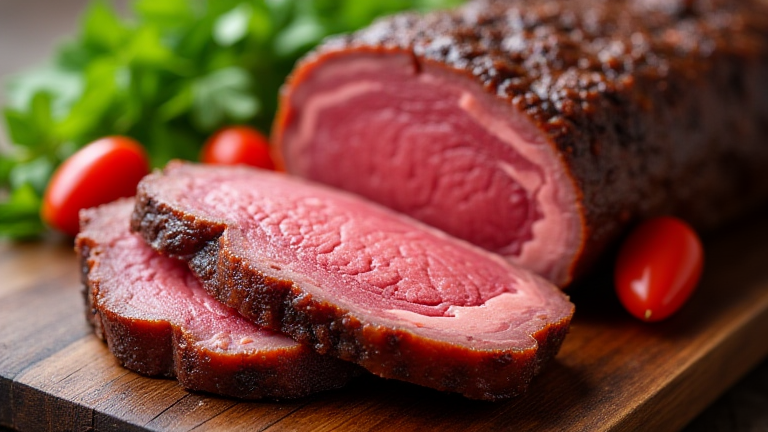
Is Roast Beef as Carcinogenic as Deli Meat? Expert Breakdown
TL;DR: No, standard roast beef is not as carcinogenic as processed deli meats. The primary health risks in deli meats stem from added nitrates, preservatives, and high sodium levels, which are largely absent in fresh, unprocessed roast beef.
Understanding the difference between fresh red meat and processed meat is crucial for making informed dietary choices. While both contain animal protein, their preparation methods significantly alter their health profiles. Processed meats, such as bologna, ham, and salami, undergo curing, smoking, or adding of chemical preservatives. These processes often involve sodium nitrite, a compound that can form carcinogenic nitrosamines in the body. In contrast, roast beef is typically cooked whole, without the addition of these specific chemical agents. Therefore, the carcinogenic risk associated with deli meats is substantially higher than that of a simple roast.
If you want to dig deeper, check out our guide on What Is Absolute Mode for AI? Complete Guide.
Step-by-Step Evaluation of Your Meat Intake
To accurately assess your dietary risk, follow these steps to distinguish between fresh and processed sources.
Step 1: Check the ingredient list on any pre-packaged meat. If the label includes “sodium nitrite,” “sodium erythorbate,” or “smoke flavor,” it is a processed meat. These ingredients are key indicators of higher carcinogenic potential. Fresh roast beef sold in the butcher section usually has no added ingredients, just beef and perhaps salt or pepper.
Step 2: Evaluate the cooking method. Deep frying or charring meat at very high temperatures creates heterocyclic amines (HCAs) and polycyclic aromatic hydrocarbons (PAHs), which are also carcinogenic. To mitigate this, always roast beef at moderate temperatures and avoid burning the exterior. Slicing the roast cold after it has cooled also helps preserve nutrients and texture without introducing additional heat stress.
Step 3: Monitor portion sizes. Even though fresh roast beef is safer than deli meats, it is still red meat. The World Health Organization recommends limiting red meat consumption to less than 500 grams per week. Stick to serving sizes of about three ounces per meal to maintain a balanced diet.
Expert Tips for Safer Consumption
When preparing roast beef, marinate it with herbs and spices such as rosemary, thyme, or garlic. Some studies suggest that certain antioxidants in these spices may help reduce the formation of harmful compounds during cooking. Additionally, pairing your roast beef with a variety of vegetables and whole grains can provide fiber and antioxidants that support overall digestive health and may counteract some of the negative effects of high-protein meals. Avoid consuming deli meats daily; treat them as occasional indulgences rather than staples. By focusing on whole, unprocessed sources of protein and employing gentle cooking techniques, you can enjoy the flavor of beef while significantly lowering your exposure to potential carcinogens found in heavily processed alternatives.
FAQ
Q: Are all processed meats equally dangerous?
A: Not exactly, but all processed meats carry higher risks than fresh meats due to preservatives like nitrates. However, the level of risk varies based on the specific additives used and the frequency of consumption. Generally, meats with fewer artificial additives are slightly less risky, though still not recommended for daily intake.
Q: Can I make my own deli meat at home to avoid chemicals?
A: Yes, you can cure and cook meats at home using natural ingredients like celery powder, which contains natural nitrates, instead of synthetic sodium nitrite. This reduces exposure to synthetic chemicals, but it does not eliminate the classification as “processed meat.” Therefore, it should still be consumed in moderation, similar to store-bought versions.
Q: Does freezing roast beef change its safety profile?
A: No, freezing does not make meat more carcinogenic. Freezing is a preservation method that halts bacterial growth. As long as you follow proper thawing and cooking guidelines to ensure the meat reaches a safe internal temperature
Leave a Reply