Category: Uncategorized

  • Rapid Expansion of Electric Vehicle Charging Infrastructure

    Rapid Expansion of Electric Vehicle Charging Infrastructure

    Rapid Expansion of Electric Vehicle Charging Infrastructure

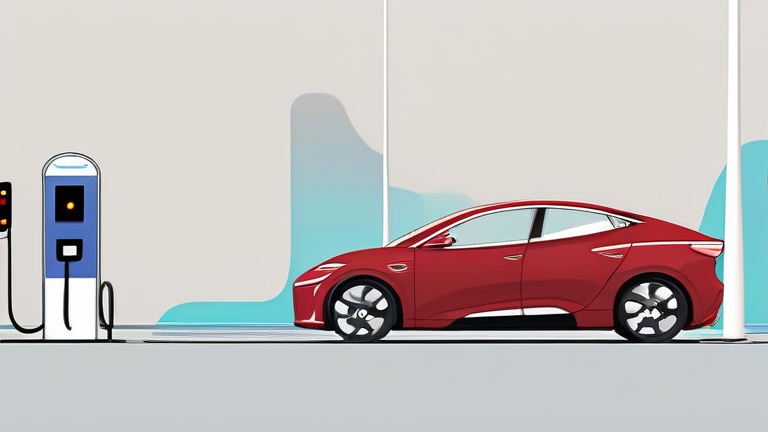
    The global transition toward sustainable transportation has reached a critical inflection point, driven primarily by the unprecedented acceleration of electric vehicle (EV) charging infrastructure. As automakers commit to phasing out internal combustion engines, the focus has shifted decisively toward building a reliable, accessible, and high-speed charging network that can support millions of daily drivers. This rapid expansion is not merely a logistical challenge but a technological revolution that is reshaping urban landscapes, energy grids, and consumer behavior across the world.

    Latest Developments in Charging Technology

    The most significant breakthrough in recent years is the widespread deployment of ultra-fast charging stations capable of delivering 350 kilowatts (kW) of power. Unlike standard Level 2 chargers that take hours to replenish a battery, these DC fast chargers can add up to 200 miles of range in just 15 minutes for compatible vehicles. Companies like Electrify America in the United States and Ionity in Europe are leading this charge, installing hundreds of new units along major highways to eliminate “range anxiety.”

    If you want to dig deeper, check out our guide on 10 Proven Business Growth Strategies for 2024.

    Furthermore, the integration of smart grid technology is transforming how these stations operate. Modern chargers now communicate with the local power grid to optimize energy usage, drawing power during off-peak hours or storing excess renewable energy in on-site batteries. This bidirectional capability ensures that the surge in EV adoption does not overwhelm existing electrical infrastructure, a concern that has plagued early adopters in regions with older grids.

    Technical Specifications and Standardization

    Standardization remains a key pillar of this expansion. The adoption of the North American Charging Standard (NACS), formerly known as the Tesla Supercharger network, by major manufacturers like Ford, GM, and Hyundai is creating a unified ecosystem. This move simplifies the user experience, allowing drivers to use a single plug type across different brands. Technical specifications have also evolved to support higher voltage platforms, with 800-volt architectures becoming common in new luxury EVs, enabling faster charging speeds without generating excessive heat.

    Additionally, wireless charging technology is moving from prototype

    Related Articles

  • Space Tourism Prices Drop: Your Chance to Travel to the Stars

    Space Tourism Prices Drop: Your Chance to Travel to the Stars

    Space Tourism Prices Drop: Your Chance to Travel to the Stars

    The dream of leaving Earth’s atmosphere is no longer reserved for billionaires or elite astronauts. Recent advancements in aerospace engineering and increased market competition have led to a significant decrease in space tourism costs. While still an exclusive experience, the price tag has dropped from millions to mere hundreds of thousands of dollars, opening the door for a new demographic of space enthusiasts. This shift represents more than just a financial opportunity; it marks a pivotal moment in human exploration and personal wellness.

    However, preparing for space travel requires rigorous physical and mental preparation. The human body is not naturally evolved for the vacuum of space or the intense G-forces of launch. To ensure your health and safety, experts recommend a comprehensive fitness regimen focused on cardiovascular endurance, core strength, and bone density. Studies show that microgravity causes rapid bone loss and muscle atrophy, making pre-flight conditioning crucial. Incorporating weight-bearing exercises and resistance training into your weekly routine can help mitigate these effects. Additionally, maintaining a heart-healthy diet rich in antioxidants can support cellular repair and reduce inflammation, preparing your body for the stress of high-altitude environments.

    Beyond physical health, mental resilience is paramount. The psychological impact of spaceflight, including isolation and sensory deprivation, can be profound. Lifestyle tips suggest practicing mindfulness meditation and cognitive behavioral techniques to build emotional stability. Regular exposure to controlled stressors, such as cold showers or high-intensity interval training, can also simulate the adaptive challenges you might face in orbit. These practices enhance neuroplasticity, allowing your brain to adapt more quickly to new and extreme environments.

    As prices continue to drop, more individuals may consider this journey. It is essential to approach space tourism not just as a luxury vacation, but as a serious physiological undertaking. Consult with aerospace medicine specialists before booking any flights. They can provide personalized health assessments and tailored exercise plans. Remember, the goal is to return to Earth as healthy as you left, ready to share the “Overview Effect”—a cognitive shift reported by astronauts who see Earth from space. This perspective often inspires a deeper commitment to environmental stewardship and global unity.

    In conclusion, the democratization of space travel offers an unprecedented opportunity

    Related Articles

  • Climate Tech Attracts Record Investment: Key Trends & Insights

    Climate Tech Attracts Record Investment: Key Trends & Insights

    Climate Tech Attracts Record Investment: Key Trends & Insights

    The global landscape of technology and environmental sustainability is undergoing a profound transformation, driven by an unprecedented surge in capital allocation toward climate solutions. In the past fiscal year, venture capital and private equity firms have poured record-breaking sums into the climate technology sector, signaling a decisive shift from niche experimentation to mainstream industrial adoption. This financial influx is not merely a reaction to regulatory pressure but a strategic response to the immense economic opportunities presented by the green transition. Investors are increasingly recognizing that decarbonization is not just an ethical imperative but a lucrative business model capable of generating substantial returns.

    Among the most prominent developments is the rapid acceleration of energy storage technologies. Lithium-ion batteries remain dominant, but new investments are heavily focused on solid-state batteries and flow batteries, which offer higher energy density and longer lifespans. These advancements are critical for stabilizing grids powered by intermittent renewable sources like wind and solar. Furthermore, the specifications of these next-generation storage units have improved dramatically, with some prototypes now offering charging speeds three times faster than current market leaders. This technological leap is enabling electric vehicles to overcome range anxiety and facilitating the widespread adoption of home energy systems that can reduce household carbon footprints significantly.

    If you want to dig deeper, check out our guide on Top 10 Best [Product Name] for [Year]: Ultimate Guide & Revi.

    Another key trend is the rise of carbon capture, utilization, and storage (CCUS) technologies. While initially viewed as a supplementary measure, CCUS is now attracting massive institutional investment due to its potential to mitigate emissions from hard-to-abate sectors such as cement and steel production. Recent pilot projects have demonstrated that direct air capture systems can now remove carbon dioxide at lower costs than previously thought feasible, thanks to innovative sorbent materials and more efficient energy integration. These developments suggest that we are moving toward a future where negative emissions are not just theoretical but commercially viable on a large scale.

    The impact on the broader industry is equally significant. Traditional energy companies are pivoting aggressively, restructuring their portfolios to include renewable energy assets and green hydrogen production facilities. This strategic realignment is forcing competitors in the tech sector to innovate faster, leading to a dynamic ecosystem where

    Related Articles

  • Space Tourism Opens to the Middle Class: A New Era of Travel

    Space Tourism Opens to the Middle Class: A New Era of Travel

    Space Tourism Opens to the Middle Class: A New Era of Travel

    For decades, the cosmos remained the exclusive playground for government astronauts and ultra-wealthy billionaires. However, a significant paradigm shift is currently reshaping the aerospace industry. The barrier to entry is crumbling, not through the introduction of cheaper sub-orbital hops alone, but through the development of robust orbital infrastructure that promises to democratize access to space. We are no longer talking about a novelty for the top 0.01%; we are entering an era where the aspirational middle class can realistically plan for a trip beyond the Kármán line within the next decade.

    Technological Breakthroughs and Cost Reductions

    The primary driver of this accessibility is the reusability revolution. Companies like SpaceX and Blue Origin have demonstrated that rockets can be flown multiple times, drastically reducing the marginal cost of each launch. But the real game-changer is the emergence of dedicated space hotels and orbital stations. Recent announcements from companies such as Axiom Space and Voyager Space highlight the construction of commercial modules that will dock with the International Space Station and eventually operate independently. These modules are designed not just for survival, but for comfort, featuring private cabins, high-speed internet, and large observation windows.

    If you want to dig deeper, check out our guide on Lab-Grown Meat Hits Mainstream Grocery Shelves.

    Furthermore, advancements in life support systems and radiation shielding have made longer-duration stays safer and more predictable. The specification for these new vessels includes modular living quarters that can be scaled up, allowing for a tiered pricing model. While a full week in orbit might still cost several hundred thousand dollars, it is a fraction of the $50 million tickets sold in the early 2020s. This price point, while still steep, aligns with the assets of high-net-worth individuals and the savings goals of dedicated middle-class families over a fifteen-year period.

    Industry Impact and Economic Ripple Effects

    The implications for the broader economy are profound. The space tourism sector is not operating in a vacuum; it is catalyzing a boom in related industries. From high-altitude hospitality training to advanced

    Related Articles

  • Space Tourism: Book Orbital Hotel Stays Today

    Space Tourism: Book Orbital Hotel Stays Today

    Space Tourism: Book Orbital Hotel Stays Today

    The dream of sleeping under the stars has finally graduated from science fiction to a lucrative, albeit exclusive, itinerary on the luxury travel market. For the ultra-wealthy traveler seeking the ultimate escape from terrestrial gravity and mundane routine, booking an orbital hotel stay is no longer a distant fantasy but an imminent reality. This new frontier of space tourism offers more than just weightlessness; it promises a profound shift in perspective, culinary innovation, and a cultural redefinition of what it means to be a tourist.

    Imagine waking up not to an alarm clock, but to the breathtaking sunrise over the curvature of the Earth, visible through panoramic glass windows. This is the standard morning routine at the upcoming Orbital Zenith Hotel. The experience is designed to be immersive, blending high-tech comfort with the raw, awe-inspiring beauty of the cosmos. As you float gently towards the observation deck, the silence of space envelops you, offering a mental clarity that is impossible to replicate on the ground. It is a moment of pure personal growth, forcing you to confront your place in the universe with humility and wonder.

    The culinary experience in orbit is equally revolutionary. Chefs trained in zero-gravity dynamics have developed dishes that are not only nutritious but also visually stunning. Expect floating spheres of infused olive oil, delicate meringues that dissolve instantly on the tongue, and rehydrated fruits that retain their vibrant colors. The “Galactic Gastronomy” menu challenges your palate, encouraging you to savor flavors in a way that feels entirely new. It is a sensory journey that transcends traditional dining, turning every meal into an adventure.

    Culturally, space tourism is beginning to reshape how we view our planet. Seeing Earth from above, without borders or political divisions, fosters a sense of global unity and environmental stewardship. Many travelers report a “total perspective shift,” returning to Earth with a renewed commitment to sustainability and peace. This is not just a vacation; it is a transformative experience that aligns with the growing movement of conscious travel.

    Booking your stay requires patience and significant financial planning, as current prices remain prohibitive for most. However, as technology advances and

    Related Articles

  • Sleep Optimization Apps Go Mainstream: What You Need to Know

    Sleep Optimization Apps Go Mainstream: What You Need to Know

    Sleep Optimization Apps Go Mainstream: What You Need to Know

    In an era where digital wellness has transitioned from a niche hobby to a daily necessity, the landscape of sleep technology is undergoing a profound transformation. For years, tracking sleep was the domain of dedicated hardware enthusiasts who wore bulky sensors to bed. Today, the narrative has shifted dramatically. Smartphone applications have stepped into the spotlight, leveraging advanced algorithms and accelerometer data to provide comprehensive sleep insights without the need for expensive wearables. This shift marks the moment when sleep optimization truly goes mainstream, becoming accessible to anyone with a smartphone in their pocket.

    Modern sleep apps are no longer just simple timers that remind you to put your phone down. They are sophisticated diagnostic tools that analyze sleep cycles, heart rate variability, and environmental noise levels. The most popular applications now feature AI-driven recommendations that suggest optimal bedtimes based on your specific circadian rhythm. For instance, some apps utilize “smart alarms” that wake you during your lightest sleep phase, ensuring you feel refreshed rather than groggy. Additionally, many platforms integrate with smart home ecosystems, automatically adjusting room temperature or playing white noise to create the perfect sleeping environment.

    If you want to dig deeper, check out our guide on AI Agents Automate Complex Enterprise Workflows.

    When comparing the top contenders in this crowded market, distinct differences emerge. App A stands out for its minimalist interface and focus on cognitive behavioral therapy for insomnia (CBT-I) techniques, making it ideal for users struggling with anxiety-related sleep issues. In contrast, App B offers a more data-heavy approach, appealing to biohackers who want granular details about their REM and deep sleep stages. While App A prioritizes behavioral change through gentle nudges and educational content, App B focuses on quantitative analysis, providing weekly reports that track long-term trends. The choice between these platforms largely depends on whether you prefer a holistic, therapeutic approach or a strict, metric-driven strategy.

    Despite their advantages, these apps are not without limitations. Accuracy remains a significant concern, as smartphone sensors cannot match the precision of medical-grade polysomnography. However, for the average user seeking general trends and behavioral

    Related Articles

  • 2026 Top Trends: What’s Shaping the Future of Business

    2026 Top Trends: What’s Shaping the Future of Business

    2026 Top Trends: What’s Shaping the Future of Business

    The business landscape of 2026 is defined by a profound shift from reactive adaptation to proactive innovation. As organizations navigate an era of unprecedented volatility, the convergence of artificial intelligence, sustainability mandates, and evolving consumer behaviors has created a new paradigm for competitive advantage. This year is not merely about survival; it is about redefining value creation in a digitally saturated and ethically conscious global market.

    At the forefront of this transformation is the maturation of generative AI. Unlike previous waves of automation that focused on efficiency, generative AI is reshaping creativity, decision-making, and customer engagement. According to recent market analysis by Gartner, by 2026, over 80% of enterprises will have deployed generative AI APIs or applications, compared to less than 5% in 2023. This rapid adoption is driving a significant restructuring of workforce dynamics. Experts suggest that the role of human labor is shifting from execution to oversight, requiring leaders to invest heavily in reskilling initiatives. Companies that fail to integrate these tools risk falling behind in speed and personalization, while those that do will unlock unprecedented productivity gains.

    If you want to dig deeper, check out our guide on How Digital Twins Are Transforming Urban Planning.

    Parallel to the AI revolution is the accelerating demand for environmental, social, and governance (ESG) compliance. Sustainability is no longer a peripheral corporate social responsibility initiative but a core strategic imperative. Regulatory pressures in the European Union and North America are forcing companies to disclose their carbon footprints with greater transparency. A report by McKinsey highlights that 60% of consumers are willing to pay more for sustainable goods, indicating that green initiatives directly correlate with brand loyalty and revenue growth. Businesses are now leveraging blockchain technology to verify supply chain integrity, ensuring that their sustainability claims are not only accurate but verifiable. This transparency builds trust, which is becoming the most valuable currency in the modern marketplace.

    Furthermore, the nature of customer experience is undergoing a radical evolution. The digital divide has narrowed, and consumers expect seamless, omnichannel interactions that blend physical and digital touch

    Related Articles

  • 10 Proven Business Strategies to Boost Revenue in 2026

    10 Proven Business Strategies to Boost Revenue in 2026

    10 Proven Business Strategies to Boost Revenue in 2026

    The business landscape of 2026 is defined by rapid technological shifts and evolving consumer behaviors. As inflation stabilizes but remains a concern, companies must move beyond traditional growth models. This year demands precision, personalization, and agility. Our comprehensive market analysis reveals that businesses leveraging data-driven decision-making are outperforming peers by a significant margin. The key to sustained revenue growth lies not in aggressive expansion, but in optimizing existing assets and enhancing customer lifetime value.

    If you want to dig deeper, check out our guide on Top 10 Marketing Trends Shaping 2026: What You Need to Know.

    First, integrating Artificial Intelligence into customer service operations has proven to be a game-changer. By deploying smart chatbots and predictive analytics, companies can reduce operational costs while increasing satisfaction. For instance, a leading retail giant implemented AI-driven inventory management, resulting in a 15% reduction in waste and a corresponding boost in net margins. This strategy highlights the importance of efficiency as a revenue driver.

    Second, subscription models continue to dominate across industries. Transitioning from one-time sales to recurring revenue streams provides financial predictability. A software firm successfully pivoted to a tiered subscription model, increasing their annual recurring revenue by 40% within two quarters. This case study underscores the power of customer retention over acquisition in the current economic climate.

    Third, hyper-personalization is no longer optional. Consumers expect tailored experiences. By utilizing first-party data, businesses can create highly targeted marketing campaigns that resonate deeply with individual preferences. This approach has shown a 25% higher conversion rate compared to generic messaging.

    Fourth, expanding into emerging markets offers untapped potential. Companies that strategically enter Southeast Asia and Latin America are seeing robust growth due to rising middle-class demographics. Fifth, leveraging social commerce allows brands to sell directly through social media platforms, reducing friction in the buying process.

    Sixth, focusing on employee engagement directly impacts productivity and customer satisfaction. Seventh, sustainable practices are increasingly influencing purchasing decisions, allowing brands to command premium prices. Eighth, strategic partnerships can open new distribution channels without significant capital investment. Ninth, optimizing website speed and mobile experience is critical for retaining online traffic. Finally, continuous innovation through

    Related Articles

  • 10 Simple Lifestyle Hacks for a Healthier, Happier You

    10 Simple Lifestyle Hacks for a Healthier, Happier You

    10 Simple Lifestyle Hacks for a Healthier, Happier You

    In our fast-paced modern world, the pursuit of well-being often feels like an impossible marathon. We are constantly bombarded with complex regimens, expensive supplements, and rigorous workout schedules that promise transformation but deliver burnout. However, true vitality does not require drastic overhauls of your daily routine. Instead, it thrives on small, consistent adjustments that align your body, mind, and spirit. By focusing on manageable changes, you can cultivate a lifestyle that supports long-term health and genuine happiness without the stress of perfectionism.

    First, consider the power of digital detoxing. Start your day by leaving your phone in another room for the first thirty minutes. This simple act allows your brain to wake up naturally, reducing anxiety and setting a calm tone for the hours ahead. Second, prioritize hydration by keeping a reusable water bottle visible on your desk or kitchen counter. Visual cues prompt us to drink more, boosting energy levels and cognitive function throughout the day. Third, embrace the art of slow eating. Put your fork down between bites and savor the flavors. This practice not only aids digestion but also enhances your appreciation for food, turning meals into mindful rituals rather than fueling stations.

    If you want to dig deeper, check out our guide on Quantum Computing Hits Commercial Error Correction Milestone.

    Nature immersion is another crucial element. Aim for a twenty-minute walk in a green space daily. Research shows that exposure to nature lowers cortisol levels and improves mood. Fourth, incorporate five minutes of stretching into your morning routine. This releases tension stored in your muscles and improves flexibility, preventing the stiffness associated with sedentary jobs. Fifth, practice gratitude journaling. Writing down three things you are grateful for each night rewires your brain to focus on positivity, significantly boosting emotional resilience over time.

    Sixth, declutter one small area of your home daily. A tidy environment reduces mental clutter and creates a sense of control. Seventh, listen to your body’s hunger cues. Eat when you are hungry and stop when you are satisfied, ignoring external clocks or plates

    Related Articles

  • 10 Science-Backed Health Tips for a Longer, Happier Life

    10 Science-Backed Health Tips for a Longer, Happier Life

    10 Science-Backed Health Tips for a Longer, Happier Life

    Woman practicing yoga in a sunny park

    Achieving longevity and happiness is not about extreme measures but consistent, small habits grounded in scientific evidence. By integrating these ten tips into your daily routine, you can significantly improve your physical and mental well-being. First, prioritize sleep. Research shows that seven to nine hours of quality rest regulates hormones, boosts immunity, and enhances cognitive function. Second, move your body daily. Moderate exercise, like brisk walking, reduces the risk of chronic diseases and releases endorphins that elevate mood.

    Third, adopt a plant-rich diet. Studies confirm that diets high in vegetables, fruits, whole grains, and legumes lower inflammation and support heart health. Fourth, stay hydrated. Even mild dehydration can impair concentration and energy levels, so keep a water bottle nearby. Fifth, manage stress effectively. Techniques such as mindfulness meditation have been proven to lower cortisol levels, reducing the risk of anxiety and depression.

    Sixth, cultivate strong social connections. Loneliness is as damaging as smoking, while meaningful relationships boost lifespan and emotional resilience. Seventh, quit smoking and limit alcohol. Both substances accelerate aging and increase the risk of cancer and liver disease. Eighth, protect your skin from UV radiation. Sunscreen use prevents premature aging and reduces skin cancer risk significantly.

    Ninth, engage in lifelong learning. Cognitive stimulation through reading, puzzles, or new hobbies builds neural reserves, protecting against dementia. Tenth, prioritize preventive care. Regular check-ups and screenings allow for early detection and treatment of potential health issues.

    These tips are not isolated actions but interconnected pillars of a healthy lifestyle. Start with one or two changes and gradually build upon them. Consistency is key. Remember that health is a journey, not a destination. Listen to your body, respect its limits, and celebrate small victories. By making these science-backed choices, you invest in a future filled with vitality, joy, and purpose. Your future self will thank you for the care you show today. Embrace these habits not as

    Related Articles