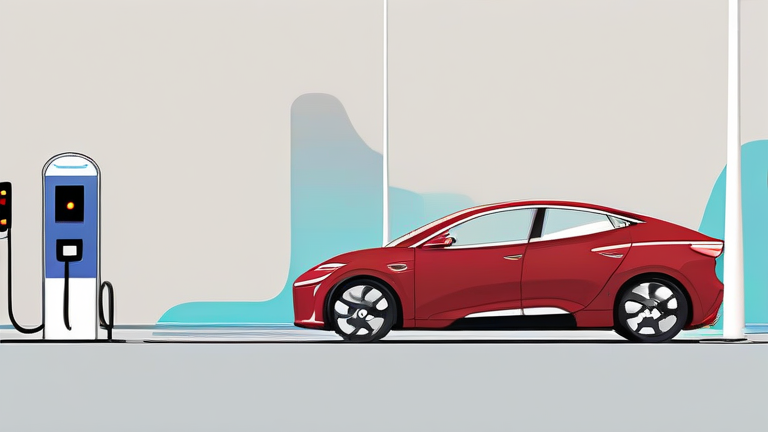
Rapid Expansion of Electric Vehicle Charging Infrastructure
The global transition toward sustainable transportation has reached a critical inflection point, driven primarily by the unprecedented acceleration of electric vehicle (EV) charging infrastructure. As automakers commit to phasing out internal combustion engines, the focus has shifted decisively toward building a reliable, accessible, and high-speed charging network that can support millions of daily drivers. This rapid expansion is not merely a logistical challenge but a technological revolution that is reshaping urban landscapes, energy grids, and consumer behavior across the world.
Latest Developments in Charging Technology
The most significant breakthrough in recent years is the widespread deployment of ultra-fast charging stations capable of delivering 350 kilowatts (kW) of power. Unlike standard Level 2 chargers that take hours to replenish a battery, these DC fast chargers can add up to 200 miles of range in just 15 minutes for compatible vehicles. Companies like Electrify America in the United States and Ionity in Europe are leading this charge, installing hundreds of new units along major highways to eliminate “range anxiety.”
If you want to dig deeper, check out our guide on 10 Proven Business Growth Strategies for 2024.

Furthermore, the integration of smart grid technology is transforming how these stations operate. Modern chargers now communicate with the local power grid to optimize energy usage, drawing power during off-peak hours or storing excess renewable energy in on-site batteries. This bidirectional capability ensures that the surge in EV adoption does not overwhelm existing electrical infrastructure, a concern that has plagued early adopters in regions with older grids.
Technical Specifications and Standardization
Standardization remains a key pillar of this expansion. The adoption of the North American Charging Standard (NACS), formerly known as the Tesla Supercharger network, by major manufacturers like Ford, GM, and Hyundai is creating a unified ecosystem. This move simplifies the user experience, allowing drivers to use a single plug type across different brands. Technical specifications have also evolved to support higher voltage platforms, with 800-volt architectures becoming common in new luxury EVs, enabling faster charging speeds without generating excessive heat.
Additionally, wireless charging technology is moving from prototype
Leave a Reply