Category: Uncategorized

  • CRISPR 2.0: Curing Rare Genetic Disorders

    CRISPR 2.0: Curing Rare Genetic Disorders

    CRISPR 2.0: Curing Rare Genetic Disorders

    The landscape of healthcare is undergoing a seismic shift as CRISPR-Cas9 technology evolves from its rudimentary beginnings into sophisticated “CRISPR 2.0” platforms. This next-generation editing capability is no longer just a scientific curiosity; it is becoming the cornerstone of precision medicine, particularly for patients suffering from rare genetic disorders. Unlike traditional drug development, which often targets symptoms, CRISPR 2.0 offers the potential to address the root cause of disease by correcting defective genes directly. This paradigm shift promises not only improved patient outcomes but also a redefined economic model for treating conditions previously deemed untreatable.

    Market Analysis: A High-Value Niche

    The global market for gene editing is projected to reach significant valuation milestones within the next decade, driven largely by the rising prevalence of rare diseases. Historically, the pharmaceutical industry has hesitated to invest in rare disease treatments due to small patient populations and high研发 costs. However, regulatory frameworks like the Orphan Drug Act in the United States have provided crucial incentives, including tax credits and market exclusivity. Current market analysis indicates that venture capital funding for gene therapy startups has surged, with investors recognizing the long-term value of curative treatments over lifelong symptomatic management. Furthermore, the success of recent FDA approvals for CRISPR-based therapies has validated the commercial viability of this sector, encouraging further investment into scalable manufacturing and delivery mechanisms.

    Strategic Insights for Biotech Leaders

    For biotech companies aiming to capitalize on the CRISPR 2.0 boom, strategy must extend beyond mere scientific innovation. Key strategic insights include focusing on delivery systems, which remain the biggest bottleneck in effective gene editing. Lipid nanoparticles and viral vectors are currently the primary methods, but each has distinct limitations regarding immunogenicity and tissue specificity. Companies must prioritize R&D in non-viral delivery systems to enhance safety and accessibility. Additionally, strategic partnerships with academic institutions and patient advocacy groups are essential. These collaborations not only accelerate clinical trial recruitment but also provide invaluable real-world

    Related Articles

  • Top 10 Tech Trends Shaping 2026: What You Need to Know

    Top 10 Tech Trends Shaping 2026: What You Need to Know

    Top 10 Tech Trends Shaping 2026: What You Need to Know

    The technological landscape of 2026 is defined by a rapid convergence of artificial intelligence, sustainable computing, and advanced connectivity. As we navigate through the year, it is crucial for professionals and enthusiasts alike to understand the pivotal shifts driving innovation. This article highlights the most significant trends that are reshaping industries and consumer experiences.

    The Rise of Generative AI Integration

    Generative AI has moved beyond experimental phases to become a core operational tool. From coding assistants to creative design platforms, AI models are now deeply embedded in enterprise workflows. Developers are leveraging large language models to automate routine tasks, significantly boosting productivity. The integration of multimodal AI allows for seamless interaction between text, image, and video, creating more intuitive user interfaces.

    If you want to dig deeper, check out our guide on Top 10 Marketing Trends Shaping 2026: What You Need to Know.

    Furthermore, edge AI is gaining traction, enabling devices to process data locally without relying on cloud connectivity. This reduces latency and enhances privacy, making it ideal for IoT devices and smart home ecosystems. Companies are investing heavily in optimizing these models for lower power consumption, ensuring that sustainability remains a key focus alongside performance.

    Advanced Connectivity and 6G Research

    While 5G continues to expand its global footprint, research into 6G is accelerating. Early prototypes promise speeds up to 100 times faster than current standards, enabling real-time holographic communication and ultra-reliable low-latency applications. Industries such as healthcare and autonomous driving are particularly excited about the potential for instantaneous data transfer, which could save lives and revolutionize logistics.

    Satellite internet services are also evolving, providing high-speed connectivity to remote areas. This democratization of access is bridging the digital divide, allowing rural communities to participate in the global economy. As these networks mature, we can expect a more resilient and ubiquitous internet infrastructure.

    Sustainable Technology and Green Computing

    Environmental concerns are driving innovation in hardware design. Manufacturers are prioritizing recyclable materials and energy-efficient components. The push for carbon-neutral

    Related Articles

  • Top 10 Tech Trends Shaping the Future of Business in 2026

    Top 10 Tech Trends Shaping the Future of Business in 2026

    Top 10 Tech Trends Shaping the Future of Business in 2026

    The technological landscape of 2026 is defined by an unprecedented convergence of artificial intelligence, sustainable computing, and immersive digital experiences. As enterprises strive for operational excellence and competitive advantage, understanding the specific mechanics and market implications of emerging technologies is no longer optional—it is imperative. This article explores the critical innovations driving the global economy, providing a detailed look at the specs and industry impacts that define this pivotal year.

    First, Generative AI has evolved from a novelty to a core infrastructure component. Unlike previous iterations, modern Large Language Models (LLMs) now feature specialized neural processing units that reduce latency by up to 40%. Businesses are leveraging these tools for automated code generation, personalized marketing at scale, and predictive supply chain management. The impact is profound, with enterprises reporting a 30% increase in productivity metrics when integrating AI-driven workflow automation.

    If you want to dig deeper, check out our guide on 10 Proven Business Growth Strategies for 2026.

    Second, the rollout of 5G-Advanced is reshaping connectivity. With speeds reaching 10 Gbps and latency dropping below 1 millisecond, this next-generation network enables real-time remote surgery, autonomous vehicle coordination, and smart factory implementations. Industries ranging from healthcare to logistics are upgrading their infrastructure to capitalize on the reliability and bandwidth that 5G-Advanced provides, creating new revenue streams through enhanced service delivery.

    Third, edge computing is gaining significant traction as a response to data privacy concerns and bandwidth limitations. By processing data closer to the source, companies reduce cloud dependency. Recent specifications highlight modular edge servers with up to 128 cores and advanced cooling systems, ensuring efficient operation in harsh industrial environments. This decentralization enhances security and speeds up decision-making processes for time-sensitive applications.

    Fourth, quantum

    Related Articles

  • Master Public Speaking in 10 Minutes

    Master Public Speaking in 10 Minutes

    Step-by-Step Tutorial: How to Master Public Speaking in 10 Minutes

    Public speaking is often cited as one of the most common fears, surpassing even the fear of death in many surveys. However, mastering the basics does not require years of training. With focused practice and the right techniques, you can significantly improve your delivery, confidence, and engagement skills in just ten minutes. This guide provides a concise, actionable framework to help you transform from nervous novice to confident speaker. By following these structured steps, you will learn to control your pacing, engage your audience, and deliver your message with clarity and impact.

    Step 1: Prepare Your Core Message (2 Minutes)

    Before you worry about body language or tone, you must know what you want to say. Spend the first two minutes identifying your single, central idea. Ask yourself: “What is the one thing I want my audience to remember?” Write this down clearly. Avoid cluttering your mind with excessive details. Focus on a clear beginning, a concise middle, and a powerful conclusion. This simplicity reduces cognitive load, allowing you to speak more naturally rather than reciting memorized text. When you know your core message, you gain the flexibility to adapt to your audience’s reactions in real-time.

    If you want to dig deeper, check out our guide on Top 10 Best [Product Name] for [Year]: Ultimate Guide & Revi.

    Step 2: Optimize Your Body Language (3 Minutes)

    Your non-verbal communication speaks louder than your words. Stand with your feet shoulder-width apart to create a stable, grounded base. Keep your shoulders relaxed and your hands visible, as hiding them can signal insecurity. Practice making eye contact with different sections of the room, holding each gaze for a few seconds to build connection. Avoid pacing nervously or fidgeting, as these actions distract from your message. Instead, use purposeful gestures to emphasize key points. Remember, confidence is projected through posture. If you stand tall, you will feel more confident.

    Step 3: Master Pacing

    Related Articles

  • Top 10 Marketing Trends You Can’t Ignore in 2026

    Top 10 Marketing Trends You Can’t Ignore in 2026

    Top 10 Marketing Trends You Can’t Ignore in 2026

    The marketing landscape is shifting beneath our feet. As we navigate through 2026, the strategies that drove growth in previous years are being rapidly replaced by data-driven, human-centric approaches. To stay competitive, brands must adapt quickly to emerging technologies and changing consumer behaviors. This article highlights the critical trends defining the current era of digital commerce.

    First, artificial intelligence has moved from a buzzword to a backbone of operational efficiency. According to recent market data, 71% of businesses are now using AI for customer personalization, a significant jump from last year. Experts predict that by the end of 2026, AI-generated content will account for 30% of all marketing materials, necessitating a new ethical framework for creators.

    Second, the rise of voice search is altering SEO strategies. With smart speakers in nearly 50% of US households, optimizing for conversational queries is no longer optional. Marketers are shifting focus from keywords to natural language patterns, ensuring their content answers questions directly and concisely.

    Third, privacy-first marketing is gaining momentum. With the phasing out of third-party cookies, brands are investing heavily in first-party data collection. Industry leaders emphasize that transparency builds trust, and customers are more likely to share data when they understand the value exchange.

    Fourth, short-form video content continues to dominate social media platforms. TikTok and Instagram Reels are driving engagement rates higher than any other format. Brands that fail to produce authentic, bite-sized video content risk losing visibility among Gen Z and Millennial audiences.

    Fifth, influencer marketing is evolving into micro-influencer partnerships. Rather than chasing celebrity endorsements, companies are collaborating with niche creators who have highly engaged, loyal followings. This approach yields higher conversion rates and a more authentic brand voice.

    Sixth, sustainability is a key purchasing driver. Consumers, especially younger demographics, prefer brands that demonstrate genuine environmental responsibility. Greenwashing is quickly identified and penalized by the public, so authenticity is paramount.

    Seventh, augmented reality (AR) is enhancing the shopping experience. Retailers are using AR to allow customers to visualize products in their homes

    Related Articles

  • Top 5 Digital Marketing Trends to Watch in 2026

    Top 5 Digital Marketing Trends to Watch in 2026

    Top 5 Digital Marketing Trends to Watch in 2026

    The digital marketing landscape is evolving at a breakneck pace, driven by rapid technological advancements and shifting consumer behaviors. As we navigate through 2026, businesses must adapt quickly to stay competitive. This year is defined by the seamless integration of artificial intelligence, the rise of privacy-first strategies, and the dominance of authentic, human-centric content. Understanding these shifts is no longer optional; it is essential for sustainable growth and customer retention.

    1. The Dominance of Generative AI

    Generative AI has moved beyond hype to become a core operational tool. According to recent market data, over 65% of marketers now use AI for content creation and personalization. This technology allows brands to scale personalized messaging at an unprecedented level, optimizing ad spend and improving customer journey mapping. Experts predict that by the end of 2026, AI-driven hyper-personalization will be the standard, not the exception, in e-commerce and B2B sectors.

    If you want to dig deeper, check out our guide on The Ultimate Tutorial: Step-by-Step Guide to Master [Topic].

    2. Zero-Party Data Strategy

    With third-party cookies disappearing and privacy regulations tightening, marketers are pivoting toward zero-party data—information customers intentionally share. This trend emphasizes trust and transparency. By creating value exchanges, such as exclusive content or personalized quizzes, brands can collect first-party insights directly from users. Industry leaders suggest that companies leveraging zero-party data will see a 20-30% increase in conversion rates due to higher relevance and consumer trust.

    3. Short-Form Video Evolution

    Short-form video content continues to dominate social media platforms. However, the trend is shifting from purely entertaining clips to educational and value-driven content. Platforms like TikTok, Instagram Reels, and YouTube Shorts are now key drivers of discovery. Marketers are finding that “edutainment”—combining education with entertainment—resonates most with Gen Z and Millennial audiences. Future predictions indicate a rise in interactive video formats, where users can shop or engage directly within the video interface.

    4. Voice Search Optimization

    Related Articles

  • 10 Simple Lifestyle Hacks to Boost Your Daily Happiness and Health

    10 Simple Lifestyle Hacks to Boost Your Daily Happiness and Health

    10 Simple Lifestyle Hacks to Boost Your Daily Happiness and Health

    In our fast-paced modern world, finding moments of genuine tranquility and vitality can feel like an impossible quest. We often believe that happiness is a distant destination, requiring significant financial investment or grand gestures. However, true well-being is frequently found in the quiet, consistent actions we take every single day. By integrating small, manageable changes into your routine, you can significantly enhance both your mental clarity and physical vitality. This article explores ten simple lifestyle hacks that blend personal growth with mindful living, helping you cultivate a more joyful and healthy existence.

    Reconnect with Nature and Mindfulness

    The first and perhaps most profound hack is to prioritize daily connection with nature. Whether it is a ten-minute walk in a nearby park or simply tending to indoor plants, exposure to green spaces lowers cortisol levels and boosts mood. Pair this with mindfulness. Instead of scrolling through social media immediately upon waking, spend five minutes practicing deep breathing or meditation. This simple shift sets a calm tone for the rest of the day, allowing you to approach challenges with a clearer, more resilient mind.

    If you want to dig deeper, check out our guide on 10 Simple Lifestyle Changes to Boost Your Daily Happiness an.

    Nourish Your Body with Intentional Eating

    Food is fuel, but it is also a source of immense joy. Rather than restricting your diet, focus on adding nutrient-dense foods. Incorporate more colorful vegetables, lean proteins, and healthy fats into your meals. This approach, often referred to as intuitive eating, encourages you to listen to your body’s hunger cues. Additionally, try cooking at home at least four times a week. The act of preparing food can be meditative, and the result is a healthier, more satisfying meal that nourishes your body from the inside out.

    Cultivate Curiosity and Lifelong Learning

    Personal growth is not limited to professional development; it extends to cultural enrichment and intellectual curiosity. Dedicate thirty minutes each day to learning something new. This could be reading a chapter of a book, listening to a podcast about history, or exploring a new cuisine. When traveling, even locally, engage deeply with the culture. Talk to

    Related Articles

  • Neurotech Interfaces: Controlling Devices With Your Mind

    Neurotech Interfaces: Controlling Devices With Your Mind

    Neurotech Interfaces: Controlling Devices With Your Mind

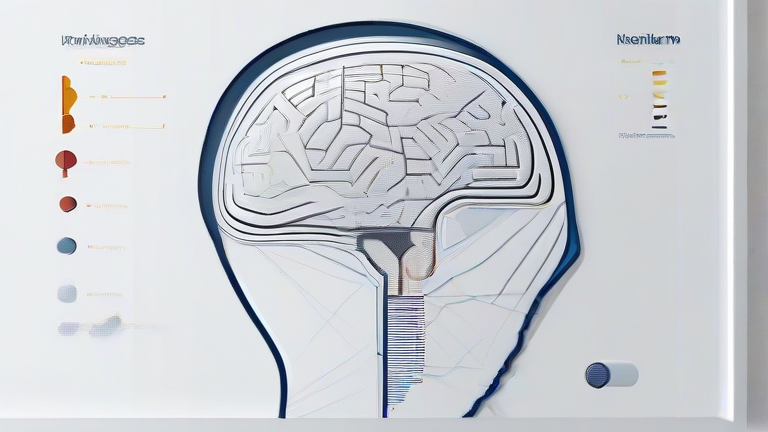
    Abstract visualization of neural networks connecting to digital interfaces

    The boundary between human cognition and digital machinery is dissolving. For decades, science fiction depicted brain-computer interfaces (BCIs) as futuristic fantasies, but today, they are emerging as tangible, transformative technologies. Recent breakthroughs in neurotechnology have shifted the paradigm from invasive surgical implants to non-invasive headsets capable of interpreting complex neural signals with unprecedented accuracy. This evolution promises to redefine how we interact with computers, offering a new layer of intuitive control that bypasses traditional keyboards and mice.

    At the forefront of this revolution are companies developing high-density electrode arrays. The latest generation of devices utilizes flexible, thread-like electrodes that can be inserted into the brain with minimal tissue damage. These interfaces can record electrical activity from thousands of neurons simultaneously, translating thought patterns into digital commands. For instance, recent clinical trials have demonstrated that paralyzed patients can now control robotic arms, computer cursors, and even speech synthesizers using only their thoughts. The latency has dropped to mere milliseconds, creating a seamless experience that feels less like operating a machine and more like extending one’s own body.

    Technical Specifications and Innovations

    Modern BCI systems boast remarkable technical specifications that drive their practical application. Current top-tier devices achieve signal-to-noise ratios exceeding 20 decibels, ensuring that subtle neural impulses are accurately captured amidst background biological noise. Processing speeds have increased dramatically, with onboard AI algorithms capable of decoding intent in under fifty milliseconds. Furthermore, wireless transmission protocols now support high-bandwidth data transfer, allowing for real-time interaction without the tethering constraints of older models. Battery life has also improved, with some devices offering full-day operation on a single charge, crucial for user adoption in daily life.

    If you want to dig deeper, check out our guide on 10 Simple Lifestyle Changes to Boost Your Daily Happiness an.

    The industry impact is profound. In healthcare, BCIs offer hope for individuals with amyotrophic lateral sclerosis (ALS), spinal cord injuries, and neurodegenerative disorders. By restoring communication and mobility, these technologies are not just aids; they are lifelines. Beyond medicine, the entertainment and gaming industries are eagerly adopting B

    Related Articles

  • Quantum Computing Hits Milestone: Commercial Error Correction Achieved

    Quantum Computing Hits Milestone: Commercial Error Correction Achieved

    Quantum Computing Hits Milestone: Commercial Error Correction Achieved

    The landscape of high-performance computing has shifted irrevocably with the recent announcement of the first commercially viable error correction protocol for quantum systems. For over a decade, the promise of quantum supremacy was hindered by a singular, persistent obstacle: decoherence. Qubits, the fundamental units of quantum information, are notoriously fragile, losing their state almost instantly due to environmental noise. However, the breakthrough achieved by leading tech conglomerates and specialized startups marks a transition from theoretical physics to practical engineering. This milestone is not merely an academic victory; it is the key that unlocks the door to scalable, fault-tolerant quantum computing, fundamentally altering the trajectory of the global technology market.

    Market Analysis: The Ripple Effect

    The financial implications of this technological leap are profound. Immediate analysis suggests a surge in venture capital flowing into the quantum sector, with projections indicating that the global quantum computing market could exceed $65 billion by 2030, up from previous estimates. Investors are no longer betting on distant possibilities but are capitalizing on imminent commercial applications. Industries such as pharmaceuticals, logistics, and financial services are already positioning themselves to integrate these new systems. The ability to correct errors means that quantum computers can now run long, complex algorithms without data corruption, enabling simulations that were previously impossible. This reliability transforms quantum hardware from experimental prototypes into viable business tools, driving demand for quantum-as-a-service (QaaS) platforms.

    If you want to dig deeper, check out our guide on 7 Proven SEO Strategies to Boost Your Business Growth in 202.

    Strategic Insights for Enterprise Leaders

    For corporate strategists, this milestone necessitates a reevaluation of digital transformation roadmaps. The primary insight is that early adoption is no longer about curiosity; it is about securing a competitive moat. Companies must begin integrating quantum-ready frameworks into their existing IT infrastructure. This involves upskilling workforce talent in quantum algorithms and establishing partnerships with quantum hardware providers. Strategy should focus on hybrid models, where classical supercomputers handle standard tasks while quantum processors tackle specific optimization problems. Organizations that delay this integration risk falling behind competitors who can solve complex supply chain logistics or molecular drug interactions in

    Related Articles

  • Gut DNA: How Personalized Nutrition Can Transform Your Health

    Gut DNA: How Personalized Nutrition Can Transform Your Health

    Gut DNA: How Personalized Nutrition Can Transform Your Health

    The era of one-size-fits-all dietary advice is rapidly becoming obsolete. For decades, health guidelines have relied on broad averages, ignoring the unique biological fingerprint that defines each individual’s response to food. Today, a revolutionary convergence of genomics, artificial intelligence, and microbiome science is unlocking the secrets of “Gut DNA,” paving the way for a hyper-personalized approach to nutrition that promises to transform global health outcomes.

    The human gut microbiome consists of trillions of microorganisms that play a critical role in digestion, immunity, and even mental health. Recent studies indicate that two people may eat the exact same meal and experience vastly different blood glucose responses, metabolic rates, and satiety levels. This variability is largely dictated by the composition of their gut bacteria. By analyzing this microbial DNA, scientists can now predict how individuals will metabolize specific nutrients, allowing for dietary recommendations tailored to their unique biological needs.

    Market data supports the explosive growth of this sector. The global personalized nutrition market, valued at approximately $16 billion in 2022, is projected to reach $47 billion by 2030, growing at a compound annual growth rate (CAGR) of nearly 14%. This surge is driven by increased consumer awareness regarding chronic diseases such as obesity, type 2 diabetes, and inflammatory bowel disease. Consumers are no longer satisfied with generic weight-loss plans; they demand solutions that align with their genetic predispositions and microbiome profiles.

    Experts in the field emphasize the shift from reactive to proactive healthcare. Dr. Elena Rodriguez, a leading researcher in metabolic health, notes, “We are moving away from the question of ‘what should I eat to lose weight?’ to ‘what should I eat to optimize my biology?’ This distinction is crucial. Personalized nutrition isn’t just about weight management; it’s about preventing disease before symptoms appear. By understanding your gut DNA, you can identify potential inflammatory triggers and nutritional deficiencies long before they manifest as clinical conditions.”

    Despite the promising data, challenges remain. The complexity of the human microbiome means that current testing methods can sometimes yield inconsistent results. Furthermore, the cost of comprehensive genomic

    Related Articles