Category: Uncategorized

  • Quantum Computing Reaches Commercial Scale: What It Means

    Quantum Computing Reaches Commercial Scale: What It Means

    Quantum Computing Reaches Commercial Scale: What It Means for Your Health

    Abstract visualization of quantum computing intersecting with human biology

    The dawn of commercial-scale quantum computing is not merely a milestone for tech giants; it is a seismic shift that will fundamentally reshape the landscape of healthcare and personal wellness. While the concept may seem abstract, its implications are deeply personal. For decades, classical computers have struggled to process the sheer complexity of biological systems. Proteins fold in ways that defy simple linear calculation, and genetic interactions involve billions of variables. Quantum computers, leveraging the principles of superposition and entanglement, can now simulate these molecular interactions with unprecedented accuracy. This capability marks the beginning of an era where health solutions are no longer generic but hyper-personalized.

    From a scientific perspective, this technological leap directly impacts drug discovery and genomic medicine. Traditional methods of developing new pharmaceuticals often take over a decade and cost billions, with high rates of failure. Quantum simulations can model how potential drugs interact with specific protein targets in real-time, drastically reducing trial-and-error. For you, this means faster access to effective treatments for chronic conditions and rare diseases. Furthermore, the ability to analyze vast datasets from wearable health devices allows for predictive analytics that can identify health risks before symptoms even appear. This proactive approach shifts the focus from reactive treatment to preventive maintenance of your biological systems.

    Living in the Quantum Age: Lifestyle Adaptations

    However, embracing this new era requires more than just trusting technology; it demands a conscious effort to maintain your own “analog” stability. As algorithms become more powerful in optimizing our lives, there is a risk of increased screen time and sedentary behavior. To counteract this, prioritize digital hygiene. Set strict boundaries for device usage, especially before bed, to protect your circadian rhythms. The blue light emitted by screens can disrupt melatonin production, which is critical for cellular repair and immune function. By consciously disconnecting, you allow your body to reclaim its natural regulatory processes.

    If you want to dig deeper, check out our guide on 10 Proven Business Growth Strategies for 2024.

    Additionally, leverage the precision medicine revolution by advocating for genetic testing and personalized nutrition plans. Instead of following generic diet trends, use data-driven insights to understand how your unique biology responds to specific foods. Pair this with regular physical activity that

    Related Articles

  • How Remote Work Hubs Are Transforming Rural Communities

    How Remote Work Hubs Are Transforming Rural Communities

    How Remote Work Hubs Are Transforming Rural Communities

    For decades, rural areas have struggled with economic stagnation and brain drain. Young professionals migrate to metropolitan centers for better opportunities, leaving behind aging populations and hollowed-out local economies. However, a quiet revolution is underway. The rise of remote work hubs is not just changing where people work; it is fundamentally reshaping the social and economic fabric of rural communities. This shift offers a compelling solution to regional inequality, turning isolated towns into vibrant, connected nodes in the global digital economy.

    At the core of this transformation are dedicated co-working spaces designed specifically for digital nomads and remote employees. Unlike traditional urban offices, these hubs prioritize community integration and sustainability. Key features include high-speed fiber optic internet, which is often a prerequisite for success, and ergonomic workspaces that blend modern aesthetics with rustic charm. Many hubs also offer hybrid amenities, such as local coffee shops, childcare facilities, and wellness centers, ensuring that work-life balance is maintained in a supportive environment.

    If you want to dig deeper, check out our guide on Sustainable Aviation Fuel Becomes the New Standard.

    When comparing these specialized hubs to generic co-working franchises, the difference is stark. Urban-centric chains often lack the deep community ties that rural hubs foster. In rural settings, the workspace serves as a social anchor, connecting outsiders with locals through shared events, workshops, and networking opportunities. This symbiotic relationship boosts local businesses, from restaurants to retail stores, creating a multiplier effect that benefits the entire town. While urban hubs offer convenience, rural hubs offer connection and purpose, driving a more holistic form of economic revitalization.

    The impact extends beyond economics. By attracting younger, diverse populations, rural communities are reversing demographic decline. Schools are seeing renewed enrollment, and local governments are gaining the tax base needed to improve infrastructure and public services. This influx of new residents brings fresh ideas and energy, fostering a sense of pride and ownership among long-time locals. The result is a more resilient community, better equipped to handle future economic shifts.

    As we look to the future, the potential for remote work hubs

    Related Articles

  • 7 Proven Health Tips to Boost Your Energy and Vitality Today

    7 Proven Health Tips to Boost Your Energy and Vitality Today

    7 Proven Health Tips to Boost Your Energy and Vitality Today

    Healthy breakfast with fruits and oats representing vitality

    In our fast-paced modern world, chronic fatigue has become the new normal for many. We often rely on caffeine spikes and sugar rushes to get through the day, but these short-term fixes often lead to crashes that leave us feeling more drained than before. True vitality comes from sustainable lifestyle changes that support your body’s natural rhythms and biochemical processes. Fortunately, science offers clear, actionable strategies to help you reclaim your energy. By focusing on foundational health pillars, you can transform your daily experience from exhausting to empowering.

    1. Prioritize Sleep Quality

    Sleep is not merely a pause button for the day; it is an active biological process essential for cellular repair and cognitive function. Research consistently shows that adults who sleep between seven and nine hours per night have significantly lower risks of chronic diseases and report higher levels of daytime energy. To improve sleep quality, maintain a consistent sleep schedule, even on weekends. Create a dark, cool, and quiet environment, and avoid blue light from screens at least one hour before bed. This simple habit regulates your circadian rhythm, ensuring you wake up refreshed rather than groggy.

    Person meditating in a peaceful setting

    2. Hydrate Strategically

    Even mild dehydration can impair concentration, mood, and physical energy levels. Water is crucial for transporting nutrients to your cells and removing waste products. Aim to drink at least eight glasses of water daily, but listen to

    Related Articles

  • 10 Proven Business Growth Strategies to Boost Your Revenue in 2026

    10 Proven Business Growth Strategies to Boost Your Revenue in 2026

    10 Proven Business Growth Strategies to Boost Your Revenue in 2026

    The economic landscape of 2026 is defined by rapid technological advancement and shifting consumer behaviors. As inflation stabilizes but remains a concern, businesses must pivot from aggressive expansion to sustainable, data-driven growth. Market analysis indicates that companies leveraging artificial intelligence and personalized customer experiences are outperforming competitors by up to 30% in customer retention rates. This article explores ten strategic pillars essential for maximizing revenue this year.

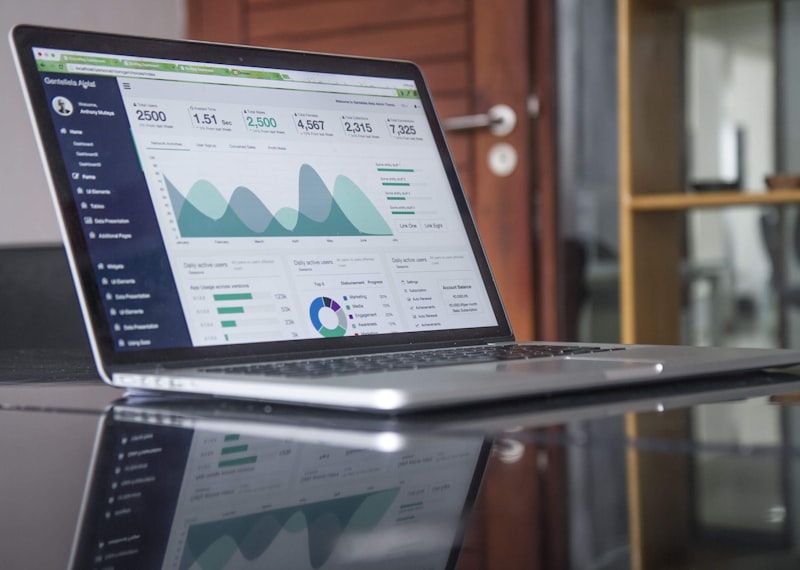
    Team analyzing business growth charts on a digital screen

    If you want to dig deeper, check out our guide on Ultimate Step-by-Step Tutorial: Master SEO Basics Today.

    First, prioritize hyper-personalization. Modern consumers expect tailored interactions. By utilizing AI-driven analytics, businesses can predict customer needs before they arise. Second, invest in content marketing ecosystems. High-value, educational content builds trust and authority, driving organic traffic without excessive ad spend. Third, adopt a subscription-based model where feasible. Recurring revenue provides predictable cash flow, crucial for navigating market volatility.

    Fourth, focus on customer retention over acquisition. It costs five times more to acquire a new customer than to retain an existing one. Implement loyalty programs that reward long-term engagement. Fifth, leverage strategic partnerships. Collaborating with complementary brands can open new distribution channels and shared audiences. Sixth, optimize your sales funnel automation. Reducing manual touchpoints increases efficiency and reduces human error in lead nurturing.

    Seventh, embrace remote-first operational flexibility. Accessing global talent pools reduces overhead costs and enhances innovation. Eighth, integrate sustainability into your brand identity. ESG (Environmental, Social, and Governance) factors increasingly influence purchasing decisions, particularly among Gen Z and Millennial demographics. Ninth, utilize data-driven decision-making. Move away from intuition-based strategies and rely on real-time metrics to adjust tactics swiftly

    Related Articles

  • Carbon Credit Markets Face Stricter Verification Rules

    Carbon Credit Markets Face Stricter Verification Rules

    Carbon Credit Markets Face Stricter Verification Rules

    For the modern conscious traveler, the allure of a sustainable getaway is no longer just a marketing gimmick; it is a moral imperative. We dream of pristine beaches in Bali, ancient ruins in Peru, and bustling markets in Marrakech, but we increasingly ask ourselves: is my footprint truly offsetting the impact? Until recently, the answer was often a hopeful guess. However, the landscape of carbon offsetting is undergoing a seismic shift. New, stricter verification rules are being implemented globally, demanding transparency, integrity, and tangible results from every credit traded. This evolution is not just about finance; it is about restoring trust in our collective ability to protect the planet.

    Imagine standing in a vibrant food market in Bangkok, savoring the complex flavors of a locally sourced, plant-based dish. This culinary experience connects you to the culture and the people. But what if that meal was part of a larger, verified sustainable supply chain? The new verification standards ensure that the carbon credits supporting such ethical tourism are not just paper promises. They are backed by rigorous audits, satellite imagery, and community impact assessments. This means your travel dollars do more than just book a hotel room; they actively support reforestation projects, renewable energy installations, and community empowerment programs that are real, measurable, and lasting.

    If you want to dig deeper, check out our guide on Lab-Grown Meat Hits Mainstream Supermarkets.

    For personal growth enthusiasts, this shift offers a profound opportunity for deeper engagement. Engaging with stricter carbon markets encourages mindfulness and intentionality. It prompts us to look beyond the surface level of sustainability. We begin to ask questions about the provenance of our experiences, the equity of our contributions, and the longevity of the environmental benefits we seek to support. This intellectual curiosity enriches our travels, turning every journey into a lesson in global citizenship.

    Culture thrives when it is preserved and respected. Stricter verification rules help protect indigenous lands and cultural heritage sites from the degradation caused by unchecked tourism and industrial exploitation. By ensuring that carbon credits are genuine, we help fund the preservation of these vital cultural treasures. We become active participants in a global movement that values heritage as much as it values nature. This holistic approach to sustainability allows us to travel with a lighter heart and a clearer conscience.

    Related Articles

  • Top 10 Emerging Trends Shaping 2026: What You Need to Know

    Top 10 Emerging Trends Shaping 2026: What You Need to Know

    Top 10 Emerging Trends Shaping 2026: What You Need to Know

    The global business landscape in 2026 is defined by rapid technological acceleration and shifting consumer behaviors. As organizations navigate post-pandemic recovery and geopolitical uncertainties, identifying key trends is no longer optional but essential for survival. This article explores the top ten emerging trends that are redefining industries, backed by critical market data and expert foresight.

    First and foremost, generative AI has moved from hype to mainstream application. According to recent market analysis, the global AI market is projected to reach $184 billion by 2025, with generative tools driving significant efficiency gains in content creation, coding, and customer service. Experts predict that by late 2026, over 80% of enterprises will have experimented with generative AI APIs, up from less than 5% in early 2023.

    If you want to dig deeper, check out our guide on Top 5 Marketing Trends to Watch in 2026.

    Sustainability is no longer a checkbox but a core strategic pillar. The rise of the circular economy is evident as brands adopt transparent supply chains to meet regulatory demands. Market data indicates that sustainable products are growing 5.6 times faster than their conventional counterparts. Consumers, particularly Gen Z, are willing to pay a premium for eco-friendly options, forcing corporations to rethink their carbon footprints aggressively.

    Remote work has evolved into a hybrid model that prioritizes flexibility over physical presence. Data shows that 43% of the workforce now works remotely at least some of the time. This shift has spurred growth in collaboration software and digital workspace solutions. However, experts warn of “Zoom fatigue” and the need for asynchronous communication tools to maintain productivity and mental well-being.

    Personalization at scale is another critical trend. Leveraging big data and machine learning, companies are delivering hyper-personalized experiences across marketing, retail, and healthcare. This approach not only boosts customer retention but also increases average order values. The integration of IoT devices further enhances this personalization by providing real-time user data.

    Cyber

    Related Articles

  • Neural Interfaces Restore Mobility for Paralysis Patients

    Neural Interfaces Restore Mobility for Paralysis Patients

    Neural Interfaces Restore Mobility for Paralysis Patients

    In a groundbreaking development that blurs the line between biology and technology, recent advancements in neural interfaces have offered hope to millions suffering from paralysis. These devices, capable of bypassing spinal cord injuries to translate brain signals directly into muscle movement, represent a paradigm shift in medical rehabilitation. This review explores the latest generation of these interfaces, examining their efficacy, user experience, and potential to redefine life for those with mobility impairments.

    Feature Highlights: Precision and Integration

    The core innovation lies in the high-bandwidth, wireless transmission capabilities of these new neural interfaces. Unlike previous generations that required bulky external hardware, modern implants are miniaturized and biocompatible, reducing the risk of immune rejection over time. The system utilizes machine learning algorithms that adapt to the user’s neural patterns in real-time, ensuring smoother and more natural movements. Key features include:

    If you want to dig deeper, check out our guide on How Spatial Computing Is Reshaping Digital Advertising.

    • Wireless Connectivity: Eliminates the need for percutaneous wires, significantly lowering infection risks.
    • Adaptive Algorithms: Continuously learns from user input to refine motor output.
    • Non-Invasive Calibration: Simplifies setup for patients and clinicians alike.

    Comparative Analysis: A Leap Forward

    When compared to traditional physical therapy or older, wired neural stimulators, the latest interfaces demonstrate superior responsiveness. Traditional methods often require years of intensive therapy with limited regain of function. In contrast, these neural interfaces provide immediate feedback loops. For instance, patients reported regaining the ability to grasp objects within weeks of implantation, a milestone that previously took years. Furthermore, the battery life of the new devices exceeds 24 hours on a single charge, a significant improvement over the 4-6 hour limits of earlier models. While competitors still struggle with signal degradation over time, the latest implants maintain consistent performance for up to five years, making them a more viable long-term solution.

    User Experience and Challenges

    While the technological achievements

    Related Articles

  • 10 Essential Health Tips to Boost Your Energy and Wellness Today

    10 Essential Health Tips to Boost Your Energy and Wellness Today

    10 Essential Health Tips to Boost Your Energy and Wellness Today

    In our fast-paced modern world, fatigue has become a common companion. Many of us rely on caffeine and sheer willpower to get through the day, but true vitality comes from sustainable lifestyle habits. Boosting your energy and overall wellness does not require extreme measures or expensive supplements. Instead, it starts with small, science-backed adjustments to your daily routine. By focusing on foundational health principles, you can transform your energy levels and improve your quality of life. Here are ten essential tips to help you feel your best.

    Fuel Your Body Wisely

    Your body is an engine, and what you put in the tank matters. Tip 1: Prioritize Whole Foods. Focus on unprocessed fruits, vegetables, lean proteins, and whole grains. These foods provide sustained energy release, preventing the blood sugar spikes and crashes associated with refined sugars. Tip 2: Stay Hydrated. Even mild dehydration can lead to fatigue and reduced concentration. Aim for eight glasses of water a day, and consider adding electrolytes if you exercise heavily.

    If you want to dig deeper, check out our guide on Integrate Mental Health Apps with Smart Wearables.

    Tip 3: Eat Regularly. Skipping meals can slow your metabolism and cause energy dips. Try to eat every three to four hours to keep your blood sugar stable. Incorporating healthy fats, such as avocados or nuts, can also support brain function and long-lasting satiety.

    Move More and Rest Better

    Physical activity is one of the most effective ways to boost energy. Tip 4: Engage in Daily Movement. You do not need to run a marathon; a brisk 30-minute walk can significantly improve circulation and mood. Tip 5: Strength Train Twice a Week. Building muscle increases your metabolic rate and improves overall functional strength, making daily tasks easier and less draining.

    Related Articles

  • Metaverse Shifts to Industrial Use: Key Trends & Impact

    Metaverse Shifts to Industrial Use: Key Trends & Impact

    Metaverse Shifts to Industrial Use: Key Trends & Impact

    The narrative surrounding the Metaverse has undergone a significant transformation. Once dominated by speculative gaming and virtual social spaces, the technology is rapidly pivoting toward robust industrial applications. This shift is not merely a technological upgrade; it represents a fundamental change in how we approach productivity, collaboration, and, crucially, human health within digital environments. As enterprises integrate virtual reality (VR) and augmented reality (AR) into manufacturing, logistics, and remote operations, understanding the physiological and psychological impacts becomes paramount for modern wellness.

    One of the most prominent trends is the adoption of “digital twins” in industrial settings. These virtual replicas allow engineers and technicians to simulate complex machinery and workflows without physical risk. From a health perspective, this reduces exposure to hazardous environments, thereby lowering the incidence of occupational injuries. However, the cognitive load associated with managing these high-fidelity simulations requires careful management. Studies suggest that prolonged immersion in complex virtual tasks can lead to increased mental fatigue and eye strain, often referred to as “cybersickness.” To mitigate these effects, experts recommend the 20-20-20 rule: every twenty minutes, look at something twenty feet away for twenty seconds. This simple habit helps reduce digital eye strain and maintains visual acuity during long virtual shifts.

    If you want to dig deeper, check out our guide on Top 10 Tech Trends Shaping 2024: What You Need to Know.

    Furthermore, the industrial Metaverse is reshaping workplace ergonomics. Traditional office postures are being replaced by dynamic movement protocols. In virtual assembly lines, workers often engage in physical gestures to interact with digital objects, promoting micro-movements that counteract sedentary behavior. Nevertheless, static VR headset usage can still cause neck strain. Lifestyle tips for professionals in this space include investing in ergonomic headsets with balanced weight distribution and taking regular “VR breaks” to stretch the neck and shoulders. Incorporating mindfulness exercises during these breaks can further reduce stress levels and improve focus.

    Psychologically, the isolation inherent in VR workspaces can impact mental well-being. To combat this, companies are integrating social VR platforms that foster team connection even in remote settings. Engaging in collaborative virtual tasks can enhance a sense of belonging and reduce feelings of alienation. Additionally

    Related Articles

  • Top 5 Trending Topics You Need to Know Right Now

    Top 5 Trending Topics You Need to Know Right Now

    Top 5 Trending Topics You Need to Know Right Now

    The global business landscape is shifting at an unprecedented pace, driven by rapid technological advancements and evolving consumer behaviors. Staying ahead of the curve is no longer just an advantage; it is a necessity for survival. In this rapid-fire overview, we dissect the five most critical industry trends dominating headlines today, backed by hard data and visionary expert insights.

    1. The Generative AI Revolution
    Generative AI has moved from experimental novelty to core operational strategy. According to recent market analysis, the global AI market is projected to reach $1.8 trillion by 2030. Experts predict that companies integrating AI into their workflows will see a productivity boost of up to 40%. The shift is no longer about replacing humans but augmenting human capability, particularly in content creation, coding, and customer service automation.

    If you want to dig deeper, check out our guide on Top 10 Emerging Trends Shaping the Future in 2024.

    2. Sustainable Supply Chains
    Consumer pressure and regulatory mandates are forcing a radical rethink of logistics. The market for sustainable supply chain solutions is expected to grow at a CAGR of 15% over the next five years. Industry leaders are adopting blockchain technology to ensure transparency, verifying that raw materials are ethically sourced. This trend is not merely ethical; it is financial. Brands with verified sustainable practices are seeing a 20% increase in customer loyalty compared to those without.

    3. The Rise of the Hyper-Personalized Experience
    Generic marketing is dead. Today’s consumers demand experiences tailored specifically to their needs. Data analytics platforms are enabling real-time personalization across touchpoints. Market data indicates that personalized recommendations can increase sales by 15-20%. Experts argue that the future belongs to brands that can leverage big data to predict customer needs before the customer even recognizes them, creating a seamless, intuitive journey.

    4. Cybersecurity in the Remote Era
    With hybrid work becoming the norm, the attack surface for cyber threats has expanded exponentially. The global cybersecurity market is set to surpass $266

    Related Articles