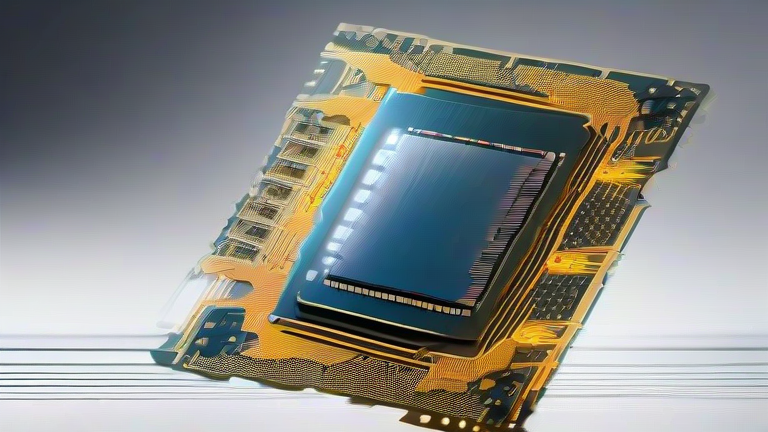
Quantum Computing Hits Milestone: Commercial Error Correction Achieved
The landscape of high-performance computing has shifted irrevocably with the recent announcement of the first commercially viable error correction protocol for quantum systems. For over a decade, the promise of quantum supremacy was hindered by a singular, persistent obstacle: decoherence. Qubits, the fundamental units of quantum information, are notoriously fragile, losing their state almost instantly due to environmental noise. However, the breakthrough achieved by leading tech conglomerates and specialized startups marks a transition from theoretical physics to practical engineering. This milestone is not merely an academic victory; it is the key that unlocks the door to scalable, fault-tolerant quantum computing, fundamentally altering the trajectory of the global technology market.

Market Analysis: The Ripple Effect
The financial implications of this technological leap are profound. Immediate analysis suggests a surge in venture capital flowing into the quantum sector, with projections indicating that the global quantum computing market could exceed $65 billion by 2030, up from previous estimates. Investors are no longer betting on distant possibilities but are capitalizing on imminent commercial applications. Industries such as pharmaceuticals, logistics, and financial services are already positioning themselves to integrate these new systems. The ability to correct errors means that quantum computers can now run long, complex algorithms without data corruption, enabling simulations that were previously impossible. This reliability transforms quantum hardware from experimental prototypes into viable business tools, driving demand for quantum-as-a-service (QaaS) platforms.
If you want to dig deeper, check out our guide on 7 Proven SEO Strategies to Boost Your Business Growth in 202.
Strategic Insights for Enterprise Leaders
For corporate strategists, this milestone necessitates a reevaluation of digital transformation roadmaps. The primary insight is that early adoption is no longer about curiosity; it is about securing a competitive moat. Companies must begin integrating quantum-ready frameworks into their existing IT infrastructure. This involves upskilling workforce talent in quantum algorithms and establishing partnerships with quantum hardware providers. Strategy should focus on hybrid models, where classical supercomputers handle standard tasks while quantum processors tackle specific optimization problems. Organizations that delay this integration risk falling behind competitors who can solve complex supply chain logistics or molecular drug interactions in
Leave a Reply