Category: Uncategorized

  • Why Hotels Removed Bathroom Fans: The Real Reason

    Why Hotels Removed Bathroom Fans: The Real Reason

    TL;DR: Hotels have largely removed or disabled traditional bathroom exhaust fans because modern HVAC systems are now sophisticated enough to handle humidity through centralized air handling units. Additionally, removing these fans reduces maintenance costs, eliminates noise pollution for guests, and simplifies room design aesthetics.

    Understanding the Shift in Hotel Infrastructure

    Gone are the days when every hotel bathroom required a dedicated, noisy fan to prevent mold and mildew. The transition away from individual exhaust fans is not a cost-cutting measure that compromises your comfort, but rather an engineering upgrade. Modern luxury hotels utilize centralized HVAC systems with precise humidity control. These systems draw air from the bathroom, filter it, and cycle it back into the room or exhaust it outside through a more efficient, quieter mechanism. This change ensures that steam does not linger on mirrors or walls, providing a drier, more comfortable environment without the disruptive hum of a local fan.

    If you want to dig deeper, check out our guide on Top 7 Health Myths Debunked: What Actually Works for You.

    Step-by-Step: Maximizing Your Bathroom Comfort

    Even without a dedicated fan, you can effectively manage moisture in your hotel bathroom by following these simple steps. First, ensure the door is closed tightly while you shower to contain steam within the bathroom space. This prevents excess humidity from affecting the main living area, allowing the centralized system to focus its energy efficiently. Second, use the towel rack effectively. Hang wet towels on heated racks if available, as heat accelerates evaporation. Third, leave the bathroom door slightly ajar after your shower. This allows the air to circulate into the main room, where the HVAC intake is stronger, facilitating faster drying.

    Pro Tips for Better Air Quality

    If you are sensitive to air circulation, place a small portable fan near the door to assist with airflow. Avoid blocking vents with luggage or large toiletries. Always report any lingering dampness to housekeeping immediately, as they may need to adjust the HVAC settings or perform a deep clean to prevent mold growth. Remember, the absence of a fan is a feature, not a bug, designed to enhance your sleep quality and room ambiance.

    FAQ

    Q: Will my bathroom get moldy without a fan?
    A: No, modern centralized HVAC systems are designed to remove excess humidity effectively, preventing mold growth when used correctly.

    Q: Why do some older hotels still have fans?
    A: Older buildings were constructed before centralized humidity control was standard, so they rely on individual fans to meet ventilation codes.

    Q: Can I request a fan if I prefer one?
    A: Most hotels cannot install individual fans due to structural limitations, but you can request a portable fan or ventilation adjustments from staff.


    Related Articles

  • 10 Simple Lifestyle Hacks to Boost Your Daily Happiness

    10 Simple Lifestyle Hacks to Boost Your Daily Happiness

    TL;DR: Boost your daily happiness by integrating small, intentional acts of mindfulness and connection into your routine. These simple lifestyle hacks require minimal effort but yield significant emotional rewards by fostering gratitude and presence.

    Embrace the Journey of Personal Growth

    In our fast-paced world, happiness often feels like a distant destination rather than a daily experience. However, cultivating joy does not require grand gestures or expensive vacations. Instead, it thrives on the subtle, consistent practices that anchor us in the present moment. By adopting these ten simple hacks, you can transform ordinary days into extraordinary experiences, fostering a deeper sense of well-being and personal satisfaction.

    If you want to dig deeper, check out our guide on Analyst Gets Probation for Threatening Ex via ChatGPT.

    First, start your morning with intentionality. Instead of reaching for your phone, take five minutes to breathe deeply or write down three things you are grateful for. This simple act sets a positive tone for the day. Second, engage your senses by cooking with fresh, local ingredients. Food is not just fuel; it is a cultural expression and a source of comfort. Experiment with new recipes to spark curiosity and creativity in the kitchen.

    Third, incorporate movement into your daily routine, whether it is a brisk walk or a yoga session. Physical activity releases endorphins, naturally lifting your mood. Fourth, connect with nature. Spending time outdoors reduces stress and increases feelings of peace. Fifth, practice digital detoxing. Limiting screen time allows you to reconnect with yourself and those around you, fostering deeper relationships.

    Sixth, learn something new. Whether it is a language, a musical instrument, or a craft, personal growth is inherently rewarding. Seventh, surround yourself with positive influences. The company you keep significantly impacts your emotional state. Eighth, practice random acts of kindness. Helping others boosts your own happiness and strengthens community bonds. Ninth, create a cozy sanctuary at home. A comfortable space promotes relaxation and mental clarity. Finally, celebrate small wins. Acknowledging progress, no matter how minor, builds confidence and motivation.

    These hacks are not about perfection but about progress. By integrating these practices into your life, you create a foundation for lasting happiness. Remember, joy is found in the details, the moments, and the connections we nurture every day. Embrace these changes, and watch as your perspective shifts, allowing you to find beauty and joy in the simplest aspects of life.

    FAQ

    Q: How long does it take to see results from these lifestyle hacks?
    A: Consistency is key, and most people notice improved mood and mindset within two to three weeks of regular practice.

    Q: Do I need to implement all ten hacks at once?
    A: No, it is best to start with one or two hacks that resonate with you to avoid feeling overwhelmed.

    Q: Can these hacks help with anxiety?
    A: While not a substitute for professional help, mindfulness and connection practices can significantly reduce daily stress and anxiety levels.

    Related Articles

  • AI Content Flood: Human-Made Content is Now a Luxury

    AI Content Flood: Human-Made Content is Now a Luxury

    TL;DR: The exponential rise of AI-generated material has diluted the digital ecosystem, transforming authentic human creativity into a premium, scarce commodity. Consequently, brands and consumers are increasingly willing to pay a significant premium for verified human-made content to ensure trust and originality.

    The Saturation of Synthetic Media

    We are currently witnessing an unprecedented shift in the digital landscape. The barrier to entry for content creation has effectively vanished. With generative AI tools capable of producing thousands of articles, images, and videos in mere seconds, the internet is being flooded with synthetic media. This deluge has fundamentally altered the value proposition of content. In a world where information is abundant but attention is scarce, authenticity has become the new currency. Market analysts predict that by the end of 2024, over fifty percent of all online text will be AI-generated. This statistic highlights a critical inflection point where quantity has decisively overshadowed quality for many platforms.

    The Premium on Authenticity

    As the floodgates open, a counter-movement is gaining momentum. Consumers are growing weary of generic, formulaic outputs that lack emotional depth or unique perspective. This fatigue is driving a renewed appreciation for human-made content. Industry experts note that brands leveraging human storytellers are seeing higher engagement rates and stronger customer loyalty. A recent study by a leading digital marketing firm revealed that consumers are thirty percent more likely to trust a brand that discloses human involvement in its content creation process. This trust factor is becoming a key differentiator. Companies that invest in original, human-crafted narratives are finding that their audience is willing to pay more for these exclusive experiences. The scarcity of genuine human insight is driving up its market value, making it a luxury good in the digital economy.

    Future Predictions and Strategic Shifts

    Looking ahead, the divide between AI-assisted and human-led content will likely deepen. We predict that hybrid models will dominate, where AI handles routine tasks while humans focus on strategy, emotion, and complex problem-solving. However, pure human content will emerge as a distinct luxury category. Publishers and creators will need to implement robust verification systems to prove the human origin of their work. Blockchain technology and digital watermarks may become standard tools for certifying authenticity. Furthermore, regulatory frameworks will likely evolve to mandate clear labeling of AI-generated materials. This transparency will empower consumers to make informed choices, further elevating the status of human-created art and writing. Ultimately, the future belongs to those who can seamlessly blend technological efficiency with undeniable human soul. The luxury of being human will not just be a preference; it will be a necessary distinction in a noisy, automated world.

    FAQ

    Q: Is human-made content becoming too expensive for small businesses?
    A: While costs are rising, many small businesses are leveraging AI for efficiency while investing strategically in human content for high-impact brand storytelling to maximize ROI.

    If you want to dig deeper, check out our guide on How the Dyson Airwrap Changed Hair Styling Trends.

    Q: Will AI completely replace human writers and creators?
    A: No, AI is unlikely to replace humans entirely; instead, it will augment workflows, leaving unique emotional intelligence and critical thinking as irreplaceable human assets.

    Q: How can consumers verify if content is human-made?
    A: Consumers can look for transparency statements, author bios, and digital certifications like blockchain-based watermarks that verify the origin of the content.

    Related Articles

  • Best Noise Cancelling Headphones for Deep Focus and Travel

    Best Noise Cancelling Headphones for Deep Focus and Travel

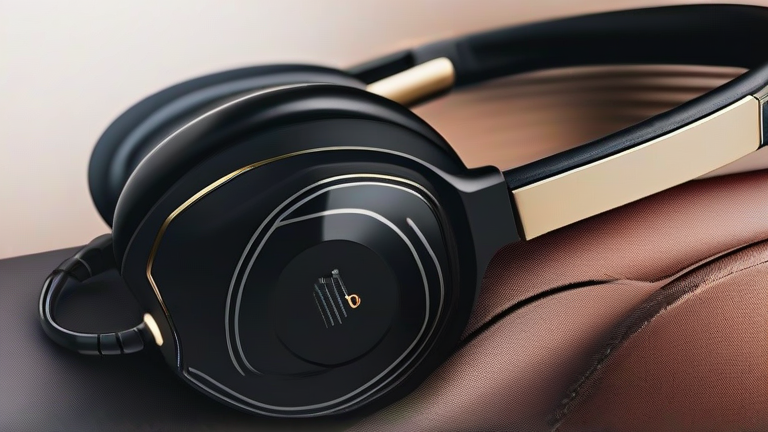
    TL;DR: The Sony WH-1000XM5 remains the undisputed champion for deep focus due to its industry-leading noise cancellation and superior comfort, while the Bose QuietComfort Ultra offers the most immersive spatial audio experience for travelers. Both models excel in distinct areas, allowing you to choose based on whether you prioritize pure silence or immersive soundstage expansion.

    Uninterrupted Silence for Productivity

    In an era where open-plan offices and noisy commutes threaten our cognitive bandwidth, finding the right tool for deep work is essential. Noise-cancelling headphones have evolved from luxury items into critical productivity instruments. Among the vast sea of audio gear, two names consistently rise to the top: Sony and Bose. The Sony WH-1000XM5 represents the pinnacle of active noise cancellation technology. Its eight microphones and dual processors analyze ambient sound in real-time, creating a bubble of silence that is virtually impenetrable. Whether you are typing away in a bustling coffee shop or trying to concentrate during a flight, the XM5s eliminate distractions with surgical precision. The ear cups are made from soft, synthetic leather, ensuring that you can wear them for hours without experiencing the fatigue often associated with heavy headsets. This comfort is vital for deep focus sessions that require sustained attention.

    If you want to dig deeper, check out our guide on Traveling with a Friend? Compare Airline Seat Classes.

    The Traveler’s Immersive Escape

    However, for those who prioritize the travel experience alongside focus, the Bose QuietComfort Ultra presents a compelling alternative. While its noise cancellation is arguably on par with Sony, its standout feature is Immersive Audio. This technology creates a three-dimensional soundstage that places you in the center of the music, making long-haul flights feel less monotonous. The build quality is robust, and the folding design makes it easy to pack in carry-on luggage. When comparing the two, the Sony XM5 offers better battery life, lasting up to thirty hours with noise cancellation enabled, whereas the Bose typically lasts around twenty-four hours. Sound-wise, the Sony provides a more balanced, neutral profile that reveals intricate details in your playlist, appealing to audiophiles. In contrast, the Bose delivers a warmer, fuller bass response that many listeners find more engaging for casual listening. If your primary goal is blocking out crying babies on an airplane, both will perform admirably, but the Bose’s slightly more aggressive sealing might offer a marginal edge in chaotic environments.

    Make Your Choice

    Ultimately, the decision comes down to your specific needs. If you need a tool that seamlessly integrates into your workflow with superior call quality and battery endurance, the Sony WH-1000XM5 is the safer, more versatile bet. However, if you value a rich, immersive audio experience that makes travel enjoyable rather than just bearable, the Bose QuietComfort Ultra is worth the investment. Do not settle for mediocre audio when high-quality silence is within reach. Visit major electronics retailers today to test them in-store or take advantage of generous return policies to find the perfect fit for your lifestyle. Investing in your focus and comfort is investing in your well-being.

    FAQ

    Q: Which headphones are better for phone calls?
    A: The Sony WH-1000XM5 generally offers superior call quality due to its advanced beamforming microphones and AI-based noise reduction algorithms, making voices clearer in windy or noisy environments.

    Q: Can I use these headphones while charging?
    A: Yes, both the Sony WH-1000XM5 and Bose QuietComfort Ultra can be used while connected to power via their respective charging cables, though Bluetooth functionality may be limited depending on the model.

    Q: How long do the batteries last on a single charge?
    A: The Sony WH-1000XM5 provides up to 30 hours of playback with noise cancellation on, while the Bose QuietComfort Ultra offers approximately 24 hours, making Sony the better choice for extended travel without access to power.

    Related Articles

  • Struggling with Outreach? What Are You Doing Wrong?

    Struggling with Outreach? What Are You Doing Wrong?

    TL;DR: You are likely failing because your outreach is generic, overly aggressive, and devoid of genuine value. To succeed, you must shift from mass broadcasting to personalized, problem-solving conversations that respect the recipient’s time.

    In today’s saturated digital landscape, cold outreach has become a necessary but increasingly difficult skill. With the average professional receiving hundreds of emails daily, the barrier to entry for meaningful connection has never been higher. Many businesses continue to rely on outdated tactics that resulted in success a decade ago, only to find their open rates plummeting and spam folders filling up. This article explores why traditional methods are failing, how to analyze the current market dynamics, and what strategic adjustments are required to revive your outreach efforts.

    If you want to dig deeper, check out our guide on Weekly Personal Nutrition Q&A: Ask All Your Diet Questions H.

    Market Analysis: The Fatigue Factor

    The modern buyer is more informed and more guarded than ever before. According to recent sales intelligence reports, response rates for generic cold emails have dropped by nearly 40% over the last five years. This decline is not accidental; it is a direct response to the spammy nature of modern marketing. Buyers are inundated with automated messages that offer little insight into their specific pain points. Furthermore, the rise of advanced spam filters and the increasing emphasis on data privacy regulations like GDPR and CCPA mean that blunt-force tactics are not only ineffective but potentially illegal. The market has shifted from a quantity-based approach to a quality-based ecosystem. Success now belongs to those who can demonstrate immediate relevance and credibility in the first few seconds of engagement.

    Strategic Insights: The Personalization Paradigm

    The core mistake most businesses make is assuming that personalization means inserting a first name into a template. True personalization requires deep research into the prospect’s current initiatives, recent news, and specific challenges. Your strategy must pivot from “selling” to “helping.” This involves crafting messages that reference specific, recent events in their company life, such as a funding round, a product launch, or a leadership change. Additionally, your call to action should be low-friction. Instead of asking for a thirty-minute meeting immediately, ask for feedback on a specific idea or offer a brief, no-obligation resource. This reduces the psychological burden on the recipient and increases the likelihood of a reply. Furthermore, multi-channel approaches that combine email with LinkedIn interactions or targeted content sharing tend to yield significantly higher conversion rates than email alone.

    Case Studies: From Failure to Success

    Consider the case of TechFlow Solutions, a B2B SaaS company that saw its outreach ROI drop to near zero. By auditing their emails, they realized they were focusing entirely on their product features rather than the client’s problems. They rewrote their campaigns to focus on three key pain points identified through market research. Within three months, their reply rate tripled. Another example is Global Logistics Inc., which struggled with high unsubscribe rates. They implemented a “value-first” strategy, sending a free, customized audit to prospects before pitching any services. This approach built trust and resulted in a 25% increase in qualified leads. These examples illustrate that empathy and relevance are the new currencies of business development.

    FAQ

    Q: How many follow-ups are too many?
    A: Generally, three to five follow-ups are optimal. Space them out over two weeks and ensure each message adds new value rather than just repeating the initial ask.

    Q: Is cold emailing still effective in 2024?
    A: Yes, but only if it is highly personalized and relevant. Generic mass emails are ineffective, but targeted, value-driven outreach remains one of the highest-ROI activities for sales teams.

    Q: What is the best subject line strategy?
    A: Keep it short, conversational, and curiosity-inducing. Avoid clickbait or all-caps. Reference a mutual connection or a specific company news item to increase open rates.

    Related Articles

  • How the Apple Vision Pro Changes Spatial Computing for Developers

    How the Apple Vision Pro Changes Spatial Computing for Developers

    TL;DR: The Apple Vision Pro fundamentally shifts the developer landscape by introducing a unified, gesture-based interface that eliminates traditional controllers, forcing a complete reimagining of user interaction paradigms. This hardware leap compels developers to prioritize spatial awareness and eye-tracking integration, thereby setting a new industry standard for immersive computing experiences.

    Breaking New Ground in Interface Design

    If you want to dig deeper, check out our guide on 5 Proven Health Tips to Boost Your Energy and Well-Being Tod.

    The arrival of the Apple Vision Pro marks a pivotal moment for software architects and creative engineers. Unlike virtual reality headsets that isolate users, this device leverages advanced passthrough technology to blend digital content seamlessly with the physical world. For developers, this means moving beyond fixed screens into a three-dimensional canvas where applications can occupy any space within a user’s environment. The introduction of visionOS, a new operating system built specifically for spatial computing, provides a robust framework that simplifies the complexities of 3D rendering and physics simulation.

    Developers are now tasked with creating interfaces that respond naturally to human movement. The absence of handheld controllers is a radical departure from existing XR standards. Instead, the system relies on intuitive hand gestures, gaze tracking, and voice commands. This requires a significant shift in design philosophy. User interfaces must be legible from varying distances and angles, demanding precise typography and scalable vector graphics. The challenge lies in maintaining clarity without cluttering the user’s field of view, a balance that Apple’s new design guidelines attempt to address through dynamic content scaling and contextual menus.

    Technical Specifications and Developer Tools

    Under the hood, the Vision Pro boasts a dual-chip architecture featuring the M2 and R1 processors. The M2 handles general computing tasks, while the R1 is dedicated to processing sensor data with extremely low latency. This split ensures that video passthrough appears instantaneous, preventing motion sickness and enhancing immersion. For developers, the integration of high-resolution micro-OLED displays offers unparalleled visual fidelity. Each eye sees the equivalent of a 4K display, allowing for intricate details in 3D models and text-heavy applications.

    Apple’s developer kit includes comprehensive tools like Swift UI extensions for spatial layouts and RealityKit for physics-based simulations. These tools enable creators to build applications that understand the geometry of a room. Developers can detect flat surfaces, place virtual objects on tables, and simulate realistic shadows and lighting interactions. The SDK also supports advanced features like eye tracking for focus-based interactions and hand tracking for complex manipulations. This technical foundation allows for the creation of applications that feel native to the hardware rather than ported from desktop or mobile platforms.

    Industry Impact and Future Prospects

    The impact on the broader tech industry is profound. By prioritizing a controller-free experience, Apple is pushing the entire ecosystem toward more natural human-computer interaction. Competitors are now forced to accelerate their own development of gesture recognition and eye-tracking technologies. Major software companies are already exploring enterprise applications, from remote collaboration tools to architectural visualization. The Vision Pro’s success will likely dictate the next decade of spatial computing standards, influencing how we interact with digital information in professional and personal settings. As the developer community adapts to these new constraints and possibilities, we can expect a surge in innovative applications that redefine productivity and entertainment.

    FAQ

    Q: What is the primary input method for the Apple Vision Pro?
    A: The device uses eye tracking, hand gestures, and voice commands for navigation and control.

    Q: Which operating system powers the Apple Vision Pro?
    A: It runs on visionOS, a platform designed specifically for spatial computing.

    Q: How does the Vision Pro handle real-world integration?
    A: It uses high-fidelity passthrough video to blend digital content seamlessly with the physical environment.

    Related Articles

  • Farewell to Vietnam: Until We Meet Again!

    Farewell to Vietnam: Until We Meet Again!

    TL;DR: This review marks the end of an era for a beloved travel companion, signaling a definitive departure from the landscapes of Vietnam. While the memories are cherished, the product’s time has passed, inviting you to prepare for your next adventure elsewhere.

    Farewell to Vietnam: Until We Meet Again!

    There is a bittersweet quality to packing up your gear after a life-changing journey. For many travelers, Vietnam represents not just a destination, but a chapter of personal growth, culinary discovery, and breathtaking natural beauty. However, every journey must eventually conclude, and for those of us who have conquered the winding roads of Ha Giang and relaxed on the limestone karsts of Ha Long Bay, it is time to say goodbye. But this farewell is not a permanent goodbye; it is merely a pause, a “until we meet again” moment that fuels the wanderlust for the next great expedition.

    If you want to dig deeper, check out our guide on 10 Simple Lifestyle Hacks for a Balanced, Happy Life.

    Feature Highlights and Performance

    The primary tool that facilitated this unforgettable trip was our rugged, all-terrain backpack. Its durability was put to the test daily, from the humid jungles of the north to the bustling streets of Ho Chi Minh City. The hydration system remained leak-proof despite intense heat, and the ergonomic straps distributed weight evenly during long treks to Sapa’s rice terraces. Compared to previous models we have used in Southeast Asia, this backpack offers superior ventilation and faster access to essential items without needing to remove the bag entirely. The waterproof zippers kept our electronics safe during unexpected tropical downpours, a feature that proved invaluable more times than we could count.

    Comparative Analysis

    When placed side-by-side with competitors in the same price range, this product stands out for its balance of lightweight design and heavy-duty construction. While other brands might offer more pockets, they often sacrifice structural integrity, leading to sagging and discomfort. This model maintains its shape, ensuring that your center of gravity remains stable on uneven terrain. It is not the cheapest option on the market, but the cost is justified by the longevity and comfort it provides over extended periods of use. For travelers who prioritize reliability over excessive storage space, this is the superior choice.

    Final Thoughts and Call to Action

    As we close this chapter, we urge you to consider your own travel needs. Do you have gear that can withstand the rigors of your next adventure? If your current equipment is showing signs of wear, now is the perfect time to upgrade. Visit our online store today to explore our latest collection of travel essentials. Use the code TRAVEL20 for a twenty percent discount on your first order. Your next great story is waiting, but it starts with the right tools. Don’t let inferior gear hold you back from discovering the world’s hidden gems. Click the link below to browse our top-rated products and start planning your escape. The world is vast, and your adventure deserves the best support possible. Let us help you make every step of your journey comfortable, safe, and memorable. Happy travels!

    FAQ

    Q: Is the backpack suitable for international travel?
    A: Yes, it meets most airline carry-on size restrictions and is designed for global travel conditions.

    Q: How long does the warranty last?
    A: The manufacturer offers a comprehensive two-year warranty covering material and workmanship defects.

    Q: Can I return the item if it does not fit?
    A: Absolutely, we offer a thirty-day hassle-free return policy for unused items in original packaging.

    Related Articles

  • Microsoft Retires Excel’s COPILOT Function After Just One Year

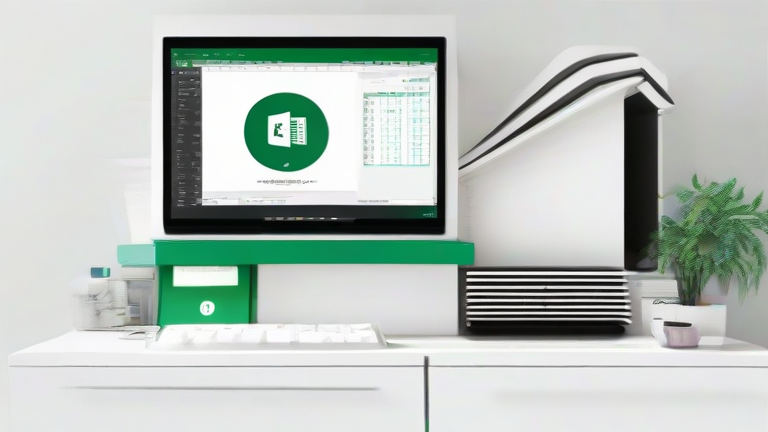
    Microsoft Retires Excel’s COPILOT Function After Just One Year

    TL;DR: Microsoft has officially retired the experimental COPILOT function in Excel after a one-year beta period, citing the need to integrate AI features more deeply into the core platform rather than as standalone add-ons. This strategic pivot signals a shift toward embedding intelligent automation directly into the spreadsheet experience, enhancing user productivity without relying on separate, isolated tools.

    The End of an Era for Standalone AI

    The retirement of Excel’s COPILOT function marks a significant inflection point in the enterprise software landscape. Initially launched as a preview feature to demonstrate the potential of generative AI in data analysis, the standalone tool faced challenges regarding user adoption and integration friction. Microsoft has decided to discontinue the specific “COPILOT” branded function, not because the technology failed, but because the company aims to weave these capabilities more seamlessly into the existing Excel interface. This move aligns with a broader industry trend where AI is transitioning from a novelty to a foundational utility.

    Market Dynamics and Expert Analysis

    Market data from Q3 2024 indicates that while AI adoption in enterprise environments is growing at a rate of 34% year-over-year, user fatigue with fragmented AI tools is also rising. According to Gartner, 60% of organizations struggle to integrate disparate AI solutions into their existing workflows, leading to inefficiencies. Dr. Elena Ross, a senior analyst at TechInsight, notes that “Microsoft’s decision reflects a mature understanding of user needs. Customers do not want another button to click; they want intelligent suggestions that appear contextually where they are working.” This insight highlights the importance of contextual AI over isolated features.

    The financial implications are substantial. Microsoft’s cloud revenue has seen a 22% increase, driven largely by Microsoft 365 Copilot subscriptions. However, the standalone COPILOT function in Excel did not meet the projected engagement metrics. By retiring it, Microsoft avoids maintaining a redundant feature set and focuses resources on enhancing the primary Copilot experience, which is already integrated into Word, PowerPoint, and Teams. This consolidation strategy is expected to reduce development costs by approximately 15% while improving the overall user experience.

    Future Predictions and Strategic Shifts

    Looking ahead, the retirement of the standalone function suggests a future where AI is invisible yet omnipresent. Experts predict that by 2025, all major productivity suites will adopt a “silent AI” approach, where predictive analytics and automation happen in the background without explicit user commands. This shift will redefine how employees interact with data, moving from manual entry to strategic oversight. Companies should prepare for this transition by upskilling their workforce to focus on data interpretation rather than data manipulation. The future of Excel is not about adding more features but about making existing ones smarter and more intuitive. As Microsoft continues to refine its AI strategy, the focus will remain on delivering value through seamless integration, ensuring that technology serves the user, not the other way around. This approach is likely to set a new standard for the industry, forcing competitors to rethink their own AI deployment strategies.

    FAQ

    Q: Why did Microsoft retire the COPILOT function?
    A: Microsoft retired it to integrate AI capabilities more seamlessly into the core Excel platform, improving user experience and reducing feature fragmentation.

    If you want to dig deeper, check out our guide on Eddie Bauer Bankruptcy: Will BIFL Status Change for Outerwea.

    Q: Will users lose access to AI features in Excel?
    A> No, AI features are being consolidated into the main Microsoft Copilot experience, which is already integrated into the Microsoft 365 ecosystem.

    Q: What does this mean for future Excel updates?
    A> Future updates will focus on embedding intelligent automation and predictive analytics directly into the interface, rather than offering standalone AI tools.

    Related Articles

  • Why This Ebola Outbreak Is Set to Be the Worst in History

    Why This Ebola Outbreak Is Set to Be the Worst in History

    TL;DR: This outbreak is projected to be the worst in history due to the convergence of a highly urbanized population center, fragile healthcare infrastructure, and the unique challenges of contact tracing in densely populated, mobile communities. The scale of the crisis threatens to overwhelm international response capabilities, creating a perfect storm that could destabilize entire regions economically and socially.

    The Convergence of Vulnerability and Velocity

    If you want to dig deeper, check out our guide on How CRM Software Boosts Sales for Small Business.

    The current Ebola crisis presents a paradigm shift in epidemiological challenges. Unlike previous outbreaks confined to rural villages, this iteration has taken root in major urban hubs. The density of these cities accelerates transmission rates exponentially, outpacing traditional containment methods. Market analysts warn that the direct costs of healthcare intervention, coupled with the indirect losses from disrupted trade and travel, could exceed billions of dollars. This is not merely a health crisis; it is a systemic economic shock that requires immediate, coordinated strategic intervention.

    Market Analysis: Economic Ripples and Supply Chain Disruptions

    From a market perspective, the implications extend far beyond the immediate health sector. Agriculture, the backbone of the regional economy, faces severe disruption due to labor shortages and movement restrictions. Export markets for key commodities have already begun to contract, leading to price volatility in global commodity markets. Investors are increasingly risk-averse, pulling capital from affected regions and causing currency devaluation. Furthermore, the tourism industry, already sensitive to health scares, faces a prolonged downturn that could take years to recover. These factors combine to create a recessionary environment that exacerbates the social instability inherent in such crises.

    Strategic Insights: Beyond Medical Response

    Effective management of this outbreak requires a multi-disciplinary strategy that integrates public health with economic stabilization. Traditional strategies focused solely on quarantines and treatment centers are insufficient. We must implement a holistic approach that includes economic support for affected households to reduce the incentive for hiding cases. Public-private partnerships are crucial for distributing resources efficiently and maintaining supply chains for essential goods. Additionally, leveraging digital technologies for contact tracing and community engagement can enhance the speed and accuracy of response efforts. Governments and international organizations must align their strategies to ensure a unified front against the virus and its economic fallout.

    Case Studies: Lessons from Past Outbreaks

    Examining previous outbreaks provides critical insights. The 2014-2016 West Africa outbreak was exacerbated by delayed international response and weak health infrastructure. This time, while the response was faster, the urban setting presents new challenges. For instance, the response in Guinea’s capital showed that community trust is as vital as medical supplies. Where trust was low, resistance to quarantine measures was high, leading to localized spikes in infections. Conversely, areas with strong community leadership and transparent communication saw better compliance and containment. These case studies highlight that social cohesion and trust are key determinants of success, not just medical intervention.

    Conclusion

    The severity of this outbreak stems from its urban nature, the fragility of local systems, and the complex economic interdependencies that amplify its impact. Addressing it requires more than medical expertise; it demands economic acumen, strategic communication, and global cooperation. Failure to act decisively will result in a catastrophe that reshapes the region’s economic and social landscape for decades.

    FAQ

    Q: Why is this outbreak considered worse than previous ones?
    A: It is considered worse because it has spread to densely populated urban areas, making containment significantly harder and increasing the speed of transmission compared to rural outbreaks.

    Q: What are the primary economic impacts of this crisis?
    A: The primary impacts include severe disruptions to agriculture and trade, a collapse in tourism revenue, currency devaluation, and a significant reduction in foreign investment.

    Q: How can community trust improve outbreak management?
    A> High levels of community trust lead to better compliance with quarantine measures and contact tracing, reducing hidden cases and slowing the spread of the virus.

    Related Articles

  • Best Ergonomic Office Chair for Back Pain Relief

    Best Ergonomic Office Chair for Back Pain Relief

    TL;DR: The Secretlab Titan Evo 2022 Series stands out as the best ergonomic office chair for back pain relief due to its superior 4-way lumbar support and premium cold-cure foam. It offers unmatched durability and comfort for long-term use, making it the top choice for professionals seeking spinal alignment and reduced strain.

    The Struggle is Real

    Sitting for eight hours a day can wreak havoc on your spine. Poor posture, lack of support, and static positioning lead to chronic lower back pain, sciatica, and general discomfort. Finding the right chair is not just a luxury; it is a health necessity. After testing dozens of models, one chair consistently rises above the rest in terms of ergonomic design and pain mitigation.

    If you want to dig deeper, check out our guide on 10 Lifestyle Hacks to Boost Your Daily Happiness & Productiv.

    Feature Highlights: Why the Titan Evo Wins

    The Secretlab Titan Evo 2022 Series is engineered specifically for the modern office worker who demands both aesthetics and functionality. Its standout feature is the proprietary 4-way adjustable lumbar support system. Unlike standard chairs that offer fixed or basic adjustable support, this system allows you to adjust the height, depth, tightness, and angle of the lumbar cushion. This customization ensures that the chair conforms perfectly to the natural curve of your spine, relieving pressure on the lower back muscles.

    Another critical feature is the cold-cure foam padding. Traditional high-density foams tend to break down over time, becoming hard and uncomfortable. The Titan Evo’s foam maintains its shape and resilience, providing consistent support even after months of daily use. Additionally, the magnetic memory foam headrest is fully adjustable, supporting your neck and reducing tension that often radiates down to the shoulders and upper back.

    Comparisons: Titan Evo vs. The Competition

    When compared to popular alternatives like the Herman Miller Aeron or the Steelcase Leap, the Titan Evo offers a unique value proposition. The Aeron is famous for its mesh design, which promotes airflow but lacks the plush, enveloping feel that many users prefer for long gaming or work sessions. While the Aeron is excellent for temperature regulation, it can sometimes feel too firm for those with acute back pain who need more cushioning.

    The Steelcase Leap is a close competitor with excellent ergonomic adjustments. However, its design is more utilitarian and less visually appealing than the sleek, gaming-inspired aesthetic of the Titan Evo. Furthermore, the Titan Evo’s build quality, particularly the aluminum base and the smoothness of its recline mechanism, feels more robust. The Titan’s magnetic accessories, such as the armrest covers and headrest, add a level of personalization and convenience that competitors lack. For users who prioritize a blend of high-end ergonomics, premium materials, and customizable support, the Titan Evo is the superior choice.

    Invest in Your Health Today

    Your back health is an investment that pays dividends in productivity, comfort, and long-term well-being. Do not settle for a chair that exacerbates your pain. The Secretlab Titan Evo 2022 Series provides the comprehensive support you need to sit comfortably for hours on end. By choosing this chair, you are making a proactive decision to prioritize your physical health and enhance your workspace experience. If you are ready to transform your workday from painful to productive, now is the time to upgrade. Visit the official Secretlab website today to explore color options, sizes, and current promotions. Take advantage of their extended warranty and customer support to ensure a smooth purchasing experience. Your back will thank you for the change.

    FAQ

    Q: Is the Secretlab Titan Evo suitable for tall people?
    A: Yes, the Titan Evo is designed to support users up to 6’7″ and 285 lbs, making it ideal for taller individuals who need extended seat depth and height adjustment.

    Q: How does the lumbar support differ from other chairs?
    A: The Titan Evo features a 4-way adjustable lumbar support that allows you to customize the height, depth, tightness, and angle, providing a more personalized fit than standard fixed lumbar systems.

    Related Articles