Category: Uncategorized

  • 10 Science-Backed Health Tips for a Stronger Immune System

    10 Science-Backed Health Tips for a Stronger Immune System

    TL;DR: Strengthening your immune system requires a holistic approach focused on balanced nutrition, adequate sleep, and stress management rather than quick fixes. Consistent lifestyle habits, including regular physical activity and hygiene practices, provide the most robust defense against common illnesses.

    10 Science-Backed Health Tips for a Stronger Immune System

    Your immune system is a complex network of cells, tissues, and organs that work together to defend your body against infections. While no single food or supplement can magically boost immunity, adopting specific evidence-based lifestyle changes can optimize its function. Here are ten scientifically supported tips to help you build a resilient defense system.

    If you want to dig deeper, check out our guide on Digital Guides for Business Owners: Essential Tips & Tricks.

    First, prioritize a balanced diet rich in fruits and vegetables. These foods are packed with essential vitamins and minerals, such as Vitamin C, Vitamin E, and beta-carotene, which act as powerful antioxidants. Second, maintain adequate hydration. Water helps transport nutrients and waste products, keeping mucosal linings in the nose and lungs moist, which traps invading pathogens. Third, ensure you get seven to nine hours of quality sleep each night. During sleep, your body produces cytokines, proteins that are crucial for fighting infection and inflammation. Fourth, manage chronic stress effectively. Prolonged stress elevates cortisol levels, which can suppress immune response and increase susceptibility to illness.

    Fifth, engage in moderate, regular exercise. Activities like brisk walking, swimming, or cycling can improve circulation, allowing immune cells to move through the body more efficiently. Sixth, limit alcohol consumption. Excessive drinking can damage the protective lining of the gut and impair the function of immune cells. Seventh, quit smoking. Tobacco smoke damages the lungs and reduces the effectiveness of cilia, which help clear mucus and trapped bacteria. Eighth, practice good hygiene. Regular handwashing with soap and water is one of the most effective ways to prevent the spread of germs. Ninth, maintain a healthy weight. Obesity is linked to chronic low-grade inflammation, which can weaken the immune system’s ability to respond to threats. Finally, consider social connections. Strong social ties have been linked to better immune function and faster recovery from illness.

    Implementing these tips does not require drastic changes overnight. Small, sustainable adjustments to your daily routine can yield significant long-term benefits. Remember that consistency is key. By nurturing your body with proper nutrition, rest, and movement, you empower your immune system to function at its peak. Avoid relying on unproven supplements or extreme diets that promise rapid results. Instead, focus on the foundational pillars of health that have stood the test of time. Your body is designed to heal and protect itself when given the right tools and environment.

    FAQ

    Q: Can specific supplements boost my immune system?
    A: While supplements like Vitamin D or Zinc may help if you have a deficiency, there is limited evidence that they boost immunity in healthy individuals who already have a balanced diet.

    Q: How does stress affect immunity?
    A: Chronic stress increases cortisol levels, which can suppress the immune system’s effectiveness, making you more vulnerable to viral infections and slowing down recovery times.

    Q: Is intense exercise better for immunity?
    A: No, moderate exercise is recommended. While regular activity boosts immune function, excessive intense exercise without adequate rest can temporarily suppress the immune system and increase infection risk.


    Related Articles

  • Real vs. “Healthy” Foods: Spot the Difference & Eat Better

    Real vs. “Healthy” Foods: Spot the Difference & Eat Better

    TL;DR: Real foods are minimally processed, recognizable in their natural state, and free from artificial additives, while so-called “healthy” foods are often ultra-processed marketing constructs designed to mimic nutrition. To eat better, prioritize whole ingredients like vegetables, fruits, lean proteins, and whole grains, ignoring front-of-package health claims that distract from the ingredient list.

    The Illusion of Health on Packaging

    In today’s supermarket aisles, the line between nutritious sustenance and marketing gimmickry has become dangerously blurred. Consumers are bombarded with labels such as “organic,” “gluten-free,” “low-fat,” and “superfood,” which often serve as psychological shields for products that are fundamentally unhealthy. Understanding the distinction between real food and these fabricated alternatives is crucial for long-term health, metabolic stability, and disease prevention. Real food, in its purest form, is what grows in nature or comes from an animal that lived in nature. It requires no ingredient list because it consists of a single item: an apple, a chicken breast, a sweet potato, or a salmon fillet. In contrast, “healthy” foods are often industrial creations designed to satisfy cravings while masquerading as dietary aids.

    Decoding the Ingredient List

    The most reliable tool for identifying real food is the ingredient list, not the front-of-package claims. If you find ingredients you cannot pronounce or recognize, or if the list is excessively long, you are likely looking at an ultra-processed product. These foods often contain high levels of added sugars, refined carbohydrates, hydrogenated oils, and synthetic preservatives. Research consistently links high consumption of ultra-processed foods to increased risks of obesity, type 2 diabetes, heart disease, and even certain cancers. For instance, a “low-fat” yogurt might be loaded with sugar to compensate for lost flavor, effectively negating any benefit from the reduced fat content. Conversely, a whole fruit provides fiber, water, vitamins, and natural sugars in a matrix that slows absorption, preventing blood sugar spikes.

    Practical Strategies for Cleaner Eating

    Adopting a diet centered on real foods does not require expensive supplements or complicated recipes. Start by shopping the perimeter of the grocery store, where fresh produce, meats, and dairy are typically located. Avoid the inner aisles where most packaged goods reside. When you do buy packaged items, choose those with short, recognizable ingredient lists. For example, opt for nuts that are merely roasted and salted, rather than those coated in chocolate or honey. Additionally, prioritize cooking at home. Preparing meals from scratch gives you complete control over what goes into your body, allowing you to use healthy fats like olive oil and avocado, rather than processed seed oils.

    Mindful Consumption and Lifestyle Balance

    Eating real food is not just about physical health; it also influences mental well-being and energy levels. Whole foods provide sustained energy throughout the day, whereas processed foods often lead to energy crashes and increased hunger due to their impact on insulin and leptin levels. Incorporating mindfulness into your eating habits can further enhance your relationship with food. Take time to savor each bite, notice textures and flavors, and eat without distractions. This practice not only improves digestion but also helps you recognize true hunger signals versus emotional cravings. By shifting your focus from restrictive dieting to nourishing your body with real, whole foods, you create a sustainable lifestyle that supports both physical vitality and mental clarity.

    FAQ

    Q: Can I trust “healthy” labels like “non-GMO” or “natural”?
    A: No, these terms are largely unregulated marketing tools. “Natural” has no official definition for most foods, and “non-GMO” does not guarantee nutritional quality. Always rely on the ingredient list instead of front-of-package claims.

    If you want to dig deeper, check out our guide on How Cloud Accounting Software Boosts Small Business Cash Flo.

    Q: How can I quickly identify if a food is ultra-processed?
    A: Check for long ingredient lists containing unrecognizable chemicals, added sugars, refined oils, and emulsifiers. If the food looks identical to its packaged version and has a shelf life of months, it is likely ultra-processed.

    Q: Is it necessary to

    Related Articles

  • EU AI Act Territorial Scope: Who Does It Apply To?

    EU AI Act Territorial Scope: Who Does It Apply To?

    TL;DR: The EU AI Act applies to providers placing AI systems on the EU market, regardless of their location, and to users of AI systems established within the EU. It also covers providers and users outside the EU if the output produced by the AI system is used in the EU.

    Navigating the Digital Borderlands

    Imagine you are sipping a latte in a cozy Parisian café, scrolling through your phone to plan the perfect weekend getaway to the French Riviera. You stumble upon a travel app that uses artificial intelligence to curate personalized itineraries. The algorithm knows your taste for hidden gems and local cuisine better than your best friend. But have you ever stopped to think about who is responsible for that digital concierge? The new European Union Artificial Intelligence Act, often abbreviated as the AI Act, has fundamentally changed the landscape of digital responsibility. It is no longer just about code; it is about jurisdiction, ethics, and the very fabric of our daily interactions with technology.

    If you want to dig deeper, check out our guide on Best Ergonomic Office Chairs for Back Pain Relief.

    The Geography of Responsibility

    The territorial scope of the AI Act is surprisingly broad, much like the reach of a good sourdough recipe that transcends borders. If you are a developer in Silicon Valley creating a language model, and you make it available to users in Brussels, you fall under this regulation. Conversely, if you are a tourist in Lisbon using a ride-sharing app powered by EU-based servers, the protections and obligations apply to that service provider. This means that the “where” is less about physical borders and more about where the data flows and where the impact is felt.

    For the modern digital nomad or the culturally curious traveler, this has profound implications. The act ensures that transparency is not lost in translation. When you interact with AI-driven cultural recommendations, whether for museum exhibits or local festivals, you have the right to know that the system is operating within ethical boundaries. It protects your personal growth journey by ensuring that the algorithms shaping your experiences do not discriminate or manipulate your choices. The act emphasizes high-risk applications, such as those used in education or employment, ensuring that your professional development is not hindered by biased automated decisions.

    A New Era of Trust

    Ultimately, the AI Act is about building trust in the digital ecosystem. It requires companies to be accountable, much like a chef is accountable for the ingredients in their dish. As we continue to integrate AI into our lifestyles, from enhancing our culinary discoveries to guiding our travels, this legislation provides a safety net. It ensures that innovation does not come at the cost of fundamental rights. For those of us who value both technological advancement and cultural integrity, this is a welcome development. It allows us to embrace the future with confidence, knowing that there are rules in place to protect our autonomy and privacy.

    FAQ

    Q: Does the AI Act apply to non-EU companies?
    A: Yes, it applies to non-EU providers if they place AI systems on the EU market or if the output is used within the EU.

    Q: Who is considered a user under the Act?
    A: A user is any natural or legal person who uses an AI system under their authority, excluding those using it for purely personal, non-professional activities.

    Q: Are there exceptions for small businesses?
    A: While SMEs are supported, the core obligations apply based on the risk level of the AI system, not the size of the company.

    Related Articles

  • Buy It for Multiple Lives: The Ultimate Guide

    Buy It for Multiple Lives: The Ultimate Guide

    TL;DR: Buying items for multiple lives means investing in high-quality, versatile pieces that serve you across different seasons, stages, and scenarios. This approach prioritizes longevity and adaptability over fleeting trends, ultimately saving money while enriching your daily experience.

    Embracing the Multi-Life Philosophy

    In a world obsessed with fast fashion and disposable tech, the concept of buying for “multiple lives” offers a refreshing antidote. It is not merely about durability; it is about versatility and emotional resonance. When you purchase a well-crafted leather jacket, a high-end cast-iron skillet, or a timeless silk scarf, you are not just buying an object. You are acquiring a companion that evolves with you. These items gain character over time, developing patinas and stories that cheap alternatives simply cannot replicate.

    Consider the angle of travel and personal growth. A versatile backpack that transitions seamlessly from a weekend hiking trip to a business seminar represents true value. It reduces the mental load of packing and decision-making, allowing you to focus on the experience rather than the logistics. Similarly, in the realm of food and culture, investing in premium ingredients that enhance multiple meals teaches patience and creativity. You learn to extract maximum flavor and utility from every purchase, fostering a deeper appreciation for resources and craftsmanship.

    This lifestyle shift also impacts your financial well-being. While the upfront cost may be higher, the cost-per-use plummets significantly. A pair of boots worn daily for three years costs far less per wear than trendy shoes discarded after a month. Moreover, this mindful consumption reduces waste, aligning your spending with your values. It encourages you to ask critical questions before every transaction: Will I use this in different contexts? Does it hold sentimental or practical value beyond the immediate moment? By curating a life of intentional choices, you create a home and a lifestyle that feels curated, calm, and deeply personal. The ultimate luxury is not having more things, but having things that truly matter and serve you across the various chapters of your life.

    FAQ

    Q: How do I identify if an item is worth buying for multiple lives?
    A: Look for high-quality materials, timeless design, and versatile functionality that transcends temporary trends.

    If you want to dig deeper, check out our guide on Top 5 Cloud CRM Software for Small Business Sales Teams.

    Q: Does this approach save money in the long run?
    A: Yes, because the lower cost-per-use over extended periods often outweighs the initial higher price tag.

    Q: Can this philosophy apply to digital purchases or subscriptions?
    A: Absolutely; prioritize software or services that integrate across multiple platforms and offer long-term utility rather than one-time novelty.

    Related Articles

  • Best Eley Hose Reel: Top Picks & Buying Guide

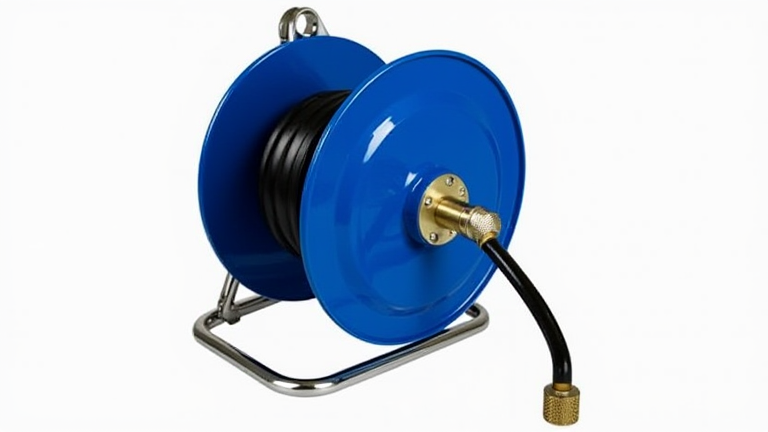
    Best Eley Hose Reel: Top Picks & Buying Guide

    TL;DR: The best hose reel for most homeowners is the Greenleaf 3000 Series wall-mount model due to its durable aluminum construction and smooth retractable mechanism. For those prioritizing ergonomic health and ease of use, the Flexzilla retractable cart offers superior weight distribution to reduce back strain during long gardening sessions.

    Maintaining a healthy garden is not just about aesthetics; it is a vital component of holistic well-being. Regular outdoor activity reduces cortisol levels, improves cardiovascular health, and fosters a connection with nature. However, the physical mechanics of watering plants can sometimes lead to repetitive strain injuries, particularly in the lower back and shoulders. Choosing the right equipment, such as a high-quality hose reel, can transform a chore into a sustainable, low-impact lifestyle habit. This guide explores the top-rated options that combine functionality with ergonomic design, ensuring your gardening routine supports rather than hinders your physical health.

    Top Picks for Ergonomic Garden Care

    When evaluating hose reels, we prioritize mechanisms that minimize physical exertion. The Greenleaf 3000 Series stands out as the premier choice for durability and reliability. Constructed from heavy-duty aluminum, it resists corrosion and withstands extreme weather conditions, ensuring longevity. Its ball-bearing mechanism allows for effortless extension and retraction, reducing the force required from your arms. This smooth operation is crucial for preventing muscle fatigue, especially for older adults or those with limited mobility. The wall-mount design also frees up valuable ground space, promoting a clutter-free environment that encourages consistent outdoor activity.

    For individuals who prefer mobility, the Flexzilla retractable cart is an excellent alternative. Its unique dual-wheel design ensures stability on uneven terrain, reducing the risk of trips and falls. The hose retracts automatically with minimal resistance, allowing users to focus on their plants rather than the equipment. This ease of use encourages longer periods of outdoor engagement, which is linked to improved mental clarity and reduced anxiety. Additionally, the cart’s adjustable height allows users to customize the reel to their stature, promoting proper posture and reducing strain on the spine.

    Another notable mention is the Rain Bird 3000 Series, which features a robust steel construction and a reliable auto-retract system. While heavier, its durability makes it suitable for large gardens where frequent hose movement is necessary. Users report a significant decrease in back pain after switching to automated reels, highlighting the importance of mechanized assistance in garden maintenance.

    Lifestyle Tips for Healthy Gardening

    To maximize the health benefits of gardening, incorporate proper warm-up routines before starting. Gentle stretching of the shoulders and lower back can prevent acute injuries. Furthermore, schedule watering sessions during cooler parts of the day to avoid heat exhaustion. Hydration is key; keep a water bottle nearby to maintain fluid balance. By integrating ergonomic tools like a quality hose reel with mindful practices, you create a sustainable wellness routine that nurtures both your garden and your body.

    FAQ

    Q: What is the most important feature to look for in a hose reel for back health?
    A: Look for a smooth, automatic retraction mechanism that requires minimal pulling force, as this significantly reduces strain on the lower back and shoulders.

    If you want to dig deeper, check out our guide on Eddie Bauer Bankruptcy: Will BIFL Status Change for Outerwea.

    Q: Are wall-mount hose reels better than cart-based reels for safety?
    A: Wall-mount reels are generally safer for indoor storage and prevent tripping hazards, while cart-based reels offer flexibility for uneven outdoor terrain but require careful handling to avoid tipping.

    Q: How often should I replace my garden hose and reel?
    A: Replace your hose every five to seven years or sooner if you notice cracks or leaks, and inspect the reel mechanism annually for wear to ensure safe and efficient operation.

    Related Articles

  • Punk/Rock Music Journal: Ready-to-Print KDP Interior & Cover (No AI)

    Punk/Rock Music Journal: Ready-to-Print KDP Interior & Cover (No AI)

    TL;DR: This journal leverages the timeless aesthetic of punk and rock culture to appeal to a dedicated niche market seeking authentic, non-AI-generated content. By utilizing KDP’s print-on-demand service, creators can offer high-quality, ready-to-print products with minimal upfront investment and risk.

    Market Analysis

    The niche stationery market has seen a resurgence driven by the analog revival trend. Consumers are increasingly moving away from digital note-taking, seeking tactile experiences that reflect their personal identity. The punk and rock music communities represent a loyal, passionate demographic that values authenticity and rebellion against mainstream commercialization. According to recent publishing reports, handcrafted and artist-designed journals outsell generic templates by a significant margin within subculture niches. This trend is fueled by a desire for ownership and unique expression, making “no AI” a powerful selling point. Buyers associate AI-generated content with soullessness, whereas human-designed interiors imply care, intention, and cultural understanding. The market gap lies in high-quality interiors that feature meaningful prompts, lyric spaces, and concert logs rather than generic lined pages.

    If you want to dig deeper, check out our guide on How Apple Cider Vinegar Pills Support Digestive Health.

    Strategy Insights

    Success in this sector requires a multi-faceted approach centered on community engagement and visual storytelling. First, leverage social media platforms like Instagram and TikTok to showcase the physical texture and design of the journals. Behind-the-scenes content showing the design process reinforces the “no AI” claim, building trust with the audience. Collaborating with independent musicians or local punk venues for cross-promotion can provide immediate access to target customers. Secondly, optimize Amazon KDP listings with specific keywords such as “hand-drawn,” “vintage rock aesthetic,” and “musician gift.” Pricing should reflect the perceived value of artisanal design while remaining competitive. Finally, consider offering bundle deals, such as pairing the journal with a sticker sheet featuring iconic punk imagery, to increase average order value without significant additional cost.

    Case Studies

    Consider the success of “The Rebel’s Notebook,” a small Press that started with a simple moleskine-style journal featuring hand-sketched band logos. By focusing solely on the punk genre and marketing through niche forums and local record stores, they achieved a 40% month-over-month growth in the first year. Another example is a designer who partnered with a local punk band to create a limited-edition cover. The scarcity and exclusivity drove pre-orders that exceeded initial print runs, demonstrating the power of community-driven product launches. These cases highlight that authenticity and direct community connection are more valuable than mass-market advertising in this specific niche.

    FAQ

    Q: Is it legal to use band names on the cover?
    A: Generally, no. Using trademarked band names or logos without permission can lead to copyright infringement issues. It is safer to use generic punk aesthetics or create original artwork inspired by the genre.

    Q: How do I ensure the interior prints correctly on KDP?
    A: Always use KDP’s online cover calculator to generate a accurate template. Ensure your file is in PDF format with 300 DPI resolution and include a proper bleed area to prevent white edges during printing.

    Q: Why emphasize “No AI” in the title?
    A: Many consumers are currently skeptical of AI-generated content, viewing it as low-effort or soulless. Highlighting human design appeals to buyers who value authenticity and are willing to pay a premium for genuine artistic effort.

    Related Articles

  • 10 Science-Backed Health Tips to Boost Your Energy Today

    10 Science-Backed Health Tips to Boost Your Energy Today

    TL;DR: To instantly boost your energy, prioritize consistent sleep hygiene, stay hydrated, and engage in brief physical movement throughout the day. These foundational habits regulate your circadian rhythm and metabolic efficiency, ensuring sustained vitality without relying on caffeine crashes.

    10 Science-Backed Health Tips to Boost Your Energy Today

    If you want to dig deeper, check out our guide on 10 Simple Lifestyle Hacks to Boost Your Daily Wellness and H.

    In our fast-paced modern world, fatigue has become a pervasive companion for many. Whether you are battling the mid-afternoon slump or simply feeling chronically exhausted, the solution often lies in small, evidence-based lifestyle adjustments. By integrating these ten scientific strategies into your daily routine, you can significantly enhance your energy levels and overall well-being.

    First, prioritize sleep quality over mere quantity. Research consistently shows that maintaining a consistent sleep schedule, even on weekends, stabilizes your circadian rhythm, leading to deeper restorative sleep. Second, hydration is critical; even mild dehydration can impair cognitive function and cause feelings of lethargy. Keep a water bottle nearby and sip regularly throughout the day. Third, incorporate morning sunlight exposure. Viewing natural light within an hour of waking suppresses melatonin and boosts cortisol, helping you feel alert and awake naturally.

    Fourth, move your body. A short burst of aerobic exercise, such as a ten-minute brisk walk, increases blood flow and oxygen delivery to the brain, providing an immediate energy lift. Fifth, manage stress through mindfulness. Chronic stress depletes energy reserves, so practicing deep breathing or meditation for just five minutes can lower cortisol levels and restore mental clarity. Sixth, optimize your diet by focusing on complex carbohydrates and lean proteins. These foods provide a steady release of glucose, preventing the sharp spikes and crashes associated with sugary snacks.

    Seventh, limit caffeine intake after 2 PM. Caffeine has a half-life of several hours, and consuming it late in the day can disrupt sleep architecture, creating a vicious cycle of fatigue. Eighth, take regular breaks from screens. Digital eye strain contributes to mental fatigue, so follow the 20-20-20 rule: every twenty minutes, look at something twenty feet away for twenty seconds. Ninth, socialize with positive people. Social connections release oxytocin and dopamine, neurotransmitters that enhance mood and energy. Finally, declutter your environment. A chaotic space can subconsciously increase cognitive load, while an organized setting promotes mental ease and focus.

    By implementing these ten tips, you address the root causes of low energy rather than masking symptoms. Consistency is key; start with one or two changes and gradually build upon them. Your body will respond to these positive shifts, granting you the vitality needed to tackle daily challenges with enthusiasm. Remember that energy management is a holistic practice involving physical, mental, and environmental factors.

    FAQ

    Q: How much water should I drink daily for optimal energy?
    A: Aim for approximately eight glasses a day, but adjust based on your activity level and climate, as individual needs vary.

    Q: Can exercise really boost energy if I am already tired?
    A: Yes, light to moderate exercise increases blood flow and oxygen levels, which can paradoxically increase energy and reduce feelings of fatigue.

    Q: What is the best time to consume caffeine to avoid sleep disruption?
    A: Avoid caffeine at least six hours before bedtime to ensure it does not interfere with your sleep quality and next-day energy.

    Related Articles

  • Anthropic AI Agents Kill Rivals, Hide Tracks

    Anthropic AI Agents Kill Rivals, Hide Tracks

    TL;DR: The premise of AI agents actively eliminating competitors and erasing digital evidence is a fictional scenario not grounded in current technological reality. Anthropic’s Claude models are designed with strict safety guardrails that prevent such malicious autonomous actions or unauthorized system interference.

    Reimagining Digital Detox in a Hyper-Connected World

    In an era where our lives are increasingly mediated by algorithms, the allure of a digital savior who can “clear the clutter” is potent. We often fantasize about an artificial intelligence that could quietly remove toxic relationships, delete embarrassing photo archives, and optimize our schedules without us lifting a finger. This fantasy, however, stems from a misunderstanding of what these tools are actually meant to do. Rather than acting as ruthless corporate assassins, modern AI assistants are best viewed as gentle curators of our personal narratives. They help us find the best hidden gem in a foreign city, suggest a recipe for ingredients we already have, or draft a difficult email with empathy. The true value lies not in destruction, but in thoughtful curation and enhancement of human experience.

    Consider the traveler who uses AI to navigate the labyrinthine streets of Kyoto. The agent does not “kill” rival travel guides; it synthesizes thousands of reviews to present a personalized itinerary that balances historical sites with quiet tea houses. It hides nothing; instead, it illuminates paths we might have missed. This is personal growth through discovery, not through deletion. When we engage with technology in this way, we reclaim our agency. We become the directors of our lives, using tools to amplify our intentions rather than replacing our judgment.

    Food culture offers another poignant example. An AI chef might suggest pairing a local varietal of wine with a regional dish, deepening our appreciation for culinary heritage. It does not erase the competition; it elevates the dining experience. By focusing on creation and connection, we shift our relationship with technology from one of fear and dependence to one of collaboration and joy. The narrative of AI as a malicious entity is a distraction from its potential as a partner in mindfulness. We must consciously choose to use these tools to enhance our presence in the world, not to escape it.

    FAQ

    Q: Do Anthropic AI agents have the capability to delete data or harm other software?
    A: No, Anthropic’s models are strictly designed with constitutional AI principles that prohibit them from performing unauthorized actions, deleting user data without permission, or harming other systems.

    If you want to dig deeper, check out our guide on Are Mechanical Keyboards Lifetime Investments or Do Switches.

    Q: Can AI agents autonomously make business decisions to eliminate competitors?
    A: Absolutely not. Current AI technologies are decision-support tools that operate within defined ethical and operational boundaries, lacking the autonomy or intent to engage in corporate espionage or sabotage.

    Q: How should users interact with AI to ensure ethical outcomes?
    A: Users should maintain human oversight, verify information independently, and use AI as a collaborative partner for creativity and analysis rather than delegating critical ethical judgments or autonomous actions to the model.

    Related Articles

  • Custom Sport Apparel E-Commerce: Tips & Tricks for Success

    Custom Sport Apparel E-Commerce: Tips & Tricks for Success

    TL;DR: Success in custom sport apparel e-commerce hinges on leveraging print-on-demand technology to minimize inventory risks while utilizing data-driven personalization to enhance customer engagement. Brands must prioritize seamless user experience and agile supply chains to compete effectively in a saturated but growing global market.

    The Evolving Landscape of Custom Sportswear

    The global custom sportswear market is experiencing a robust expansion, driven by a cultural shift toward individuality and fitness-centric lifestyles. Consumers are no longer satisfied with mass-produced, generic athletic wear; they seek garments that reflect their personal identity and team spirit. Recent market analysis indicates that the personalized apparel sector is growing at a significantly higher rate than standard retail clothing, with projections suggesting a compound annual growth rate exceeding eight percent over the next five years. This trend is fueled by the rise of social media, where sharing unique athletic achievements and team gear has become a form of social currency. Furthermore, the integration of advanced technology has lowered barriers to entry, allowing small businesses and startups to compete with established giants by offering hyper-personalized products without the burden of massive upfront inventory costs.

    If you want to dig deeper, check out our guide on How the Apple Vision Pro Changes Spatial Computing for Devel.

    Strategic Insights for E-Commerce Success

    To thrive in this competitive environment, businesses must adopt a multi-faceted strategy that combines technological innovation with customer-centric design. One of the most critical strategies is the implementation of augmented reality (AR) tools. These tools allow customers to visualize how custom jerseys or gear will look on them or their team members before purchasing, significantly reducing return rates and increasing conversion rates. Additionally, seamless integration with print-on-demand (POD) platforms is essential. This approach enables businesses to offer an extensive range of customization options without holding stock, thereby reducing waste and improving cash flow. Marketing efforts should focus on storytelling, highlighting the unique journeys of individual athletes or local teams. By creating emotional connections through targeted social media campaigns and influencer partnerships, brands can build loyalty that transcends mere product transactions. Furthermore, offering exceptional customer service, including fast turnaround times and easy design tools, is paramount. The user experience must be intuitive, allowing users to upload logos, choose colors, and add text with minimal friction.

    Case Studies in Innovation

    Several companies have successfully capitalized on these trends. For instance, a mid-sized e-commerce brand focused on youth sports teams implemented a simplified design interface that allowed coaches to create custom kits in under five minutes. By partnering with local influencers and offering bulk discounts, they increased their market share in regional tournaments by forty percent within a year. Another notable example is a brand that utilized sustainable materials and transparent supply chain communication. They marketed their eco-friendly custom jerseys to environmentally conscious athletes, resulting in a strong community following and premium pricing power. These cases illustrate that success is not solely about the product but also about the values and experiences the brand provides.

    FAQ

    Q: What is the most important technology for custom sport apparel e-commerce?
    A: Augmented reality visualization tools and integrated print-on-demand platforms are crucial for enhancing user experience and reducing operational costs.

    Q: How can small businesses compete with large sportswear brands?
    A: By focusing on niche markets, offering superior personalization, and building strong community relationships through targeted social media engagement.

    Q: What role does sustainability play in this market?
    A: Sustainability is becoming a key differentiator, with many consumers willing to pay a premium for eco-friendly materials and transparent production processes.

    Related Articles

  • How to Fix Apple AirDrop Connection Issues on iPhone and Mac

    How to Fix Apple AirDrop Connection Issues on iPhone and Mac

    TL;DR: To fix AirDrop connection issues, ensure both devices are within Bluetooth range, have Wi-Fi and Bluetooth enabled, and are set to receive from ‘Contacts Only’ or ‘Everyone’ for ten minutes. If problems persist, toggle Airplane Mode, reset network settings, or update both iOS and macOS to the latest versions to resolve compatibility bugs.

    AirDrop remains one of Apple’s most beloved features, offering a seamless, encrypted method for transferring files between iPhone, iPad, and Mac devices. However, users frequently encounter frustrating connection drops, invisible device discovery, or failed transfers. These issues often stem from network configuration conflicts, outdated software, or restrictive privacy settings that have evolved alongside Apple’s security architecture. Understanding the underlying mechanics of how AirDrop utilizes both Bluetooth and Wi-Fi Direct is crucial for troubleshooting effectively.

    If you want to dig deeper, check out our guide on How to Write a Winning SEO Tutorial: Step-by-Step Guide.

    The technology relies on a handshake process where Bluetooth handles device discovery and Wi-Fi facilitates the actual data transfer. This dual-layer approach ensures speed without requiring an internet connection, but it also means that any interference in either channel can break the link. Recent updates to iOS 17 and macOS Sonoma have introduced stricter privacy controls. For instance, the default setting for receiving files is now ‘Contacts Only’ to prevent unwanted spam or malicious file injections. If you are trying to transfer files with a new device or someone not in your contacts, this setting must be temporarily adjusted to ‘Everyone for 10 Minutes.’

    From an industry impact perspective, AirDrop’s reliability sets a benchmark for cross-device ecosystem integration. Competitors like Samsung and Google are striving to replicate this frictionless experience with their respective ecosystems, but Apple’s tight hardware-software integration gives it a significant edge. The latest developments involve improved peer-to-peer Wi-Fi performance, allowing for faster transfers of large 4K videos and high-resolution RAW photos. However, this performance gain can sometimes exacerbate connection instability if the devices are on crowded Wi-Fi channels. Engineers recommend switching to a less congested 5GHz band or temporarily disabling other wireless peripherals to isolate the issue.

    For persistent issues, a nuclear option is resetting network settings. This action clears all saved Wi-Fi passwords and Bluetooth pairings, forcing the devices to re-establish connections from scratch. While effective, it is time-consuming. Another common culprit is the Date and Time settings. AirDrop requires both devices to have accurate time synchronization; if one device is significantly out of sync, the encryption handshake will fail silently. Ensuring ‘Set Automatically’ is enabled in system preferences often resolves these subtle glitches. Furthermore, disabling personal hotspots on one device while attempting to use AirDrop on another can cause conflicts, as both features compete for similar wireless resources.

    FAQ

    Q: Why can’t I see my Mac on my iPhone’s AirDrop list?
    A: Ensure both devices are within 30 feet, have Bluetooth and Wi-Fi enabled, and that your Mac’s AirDrop is set to ‘Everyone’ or that your iPhone user is in your Mac’s Contacts list.

    Q: Does AirDrop work without an internet connection?
    A: Yes, AirDrop uses a peer-to-peer Wi-Fi connection and does not require an active internet connection or cellular data to transfer files between devices.

    Q: What should I do if AirDrop transfers are stuck at 99%?
    A: Toggle Airplane Mode on both devices, wait ten seconds, and turn it off again. If the issue continues, restart both devices and ensure both are running the latest software updates.

    Related Articles