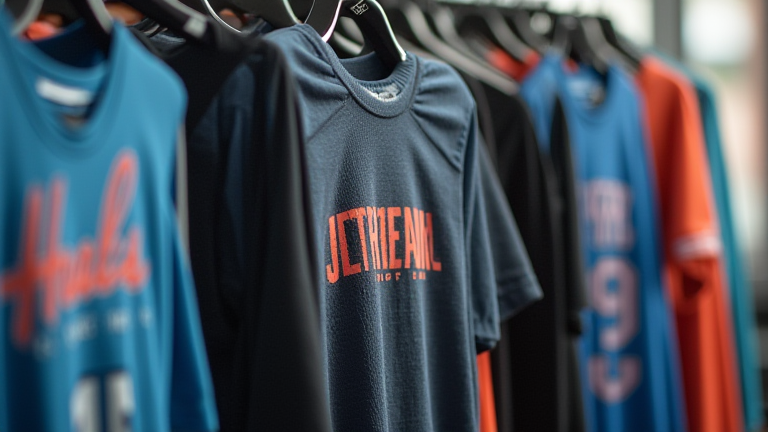
TL;DR: Success in custom sport apparel e-commerce hinges on leveraging print-on-demand technology to minimize inventory risks while utilizing data-driven personalization to enhance customer engagement. Brands must prioritize seamless user experience and agile supply chains to compete effectively in a saturated but growing global market.
The Evolving Landscape of Custom Sportswear
The global custom sportswear market is experiencing a robust expansion, driven by a cultural shift toward individuality and fitness-centric lifestyles. Consumers are no longer satisfied with mass-produced, generic athletic wear; they seek garments that reflect their personal identity and team spirit. Recent market analysis indicates that the personalized apparel sector is growing at a significantly higher rate than standard retail clothing, with projections suggesting a compound annual growth rate exceeding eight percent over the next five years. This trend is fueled by the rise of social media, where sharing unique athletic achievements and team gear has become a form of social currency. Furthermore, the integration of advanced technology has lowered barriers to entry, allowing small businesses and startups to compete with established giants by offering hyper-personalized products without the burden of massive upfront inventory costs.
If you want to dig deeper, check out our guide on How the Apple Vision Pro Changes Spatial Computing for Devel.
Strategic Insights for E-Commerce Success
To thrive in this competitive environment, businesses must adopt a multi-faceted strategy that combines technological innovation with customer-centric design. One of the most critical strategies is the implementation of augmented reality (AR) tools. These tools allow customers to visualize how custom jerseys or gear will look on them or their team members before purchasing, significantly reducing return rates and increasing conversion rates. Additionally, seamless integration with print-on-demand (POD) platforms is essential. This approach enables businesses to offer an extensive range of customization options without holding stock, thereby reducing waste and improving cash flow. Marketing efforts should focus on storytelling, highlighting the unique journeys of individual athletes or local teams. By creating emotional connections through targeted social media campaigns and influencer partnerships, brands can build loyalty that transcends mere product transactions. Furthermore, offering exceptional customer service, including fast turnaround times and easy design tools, is paramount. The user experience must be intuitive, allowing users to upload logos, choose colors, and add text with minimal friction.
Case Studies in Innovation
Several companies have successfully capitalized on these trends. For instance, a mid-sized e-commerce brand focused on youth sports teams implemented a simplified design interface that allowed coaches to create custom kits in under five minutes. By partnering with local influencers and offering bulk discounts, they increased their market share in regional tournaments by forty percent within a year. Another notable example is a brand that utilized sustainable materials and transparent supply chain communication. They marketed their eco-friendly custom jerseys to environmentally conscious athletes, resulting in a strong community following and premium pricing power. These cases illustrate that success is not solely about the product but also about the values and experiences the brand provides.
FAQ
Q: What is the most important technology for custom sport apparel e-commerce?
A: Augmented reality visualization tools and integrated print-on-demand platforms are crucial for enhancing user experience and reducing operational costs.
Q: How can small businesses compete with large sportswear brands?
A: By focusing on niche markets, offering superior personalization, and building strong community relationships through targeted social media engagement.
Q: What role does sustainability play in this market?
A: Sustainability is becoming a key differentiator, with many consumers willing to pay a premium for eco-friendly materials and transparent production processes.
Leave a Reply