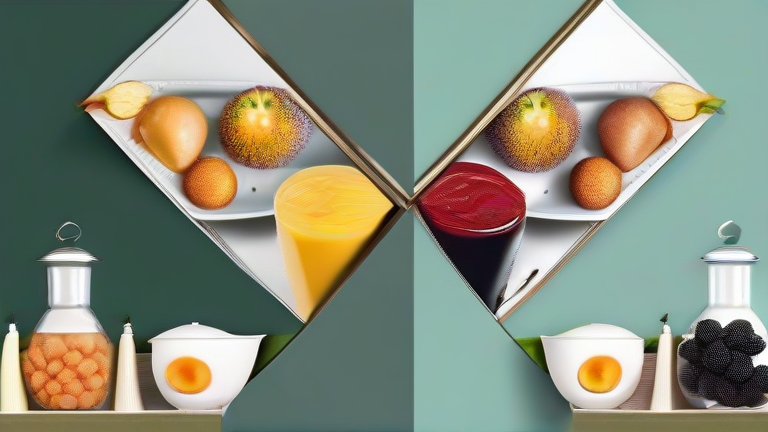
TL;DR: Real foods are minimally processed, recognizable in their natural state, and free from artificial additives, while so-called “healthy” foods are often ultra-processed marketing constructs designed to mimic nutrition. To eat better, prioritize whole ingredients like vegetables, fruits, lean proteins, and whole grains, ignoring front-of-package health claims that distract from the ingredient list.
The Illusion of Health on Packaging
In today’s supermarket aisles, the line between nutritious sustenance and marketing gimmickry has become dangerously blurred. Consumers are bombarded with labels such as “organic,” “gluten-free,” “low-fat,” and “superfood,” which often serve as psychological shields for products that are fundamentally unhealthy. Understanding the distinction between real food and these fabricated alternatives is crucial for long-term health, metabolic stability, and disease prevention. Real food, in its purest form, is what grows in nature or comes from an animal that lived in nature. It requires no ingredient list because it consists of a single item: an apple, a chicken breast, a sweet potato, or a salmon fillet. In contrast, “healthy” foods are often industrial creations designed to satisfy cravings while masquerading as dietary aids.
Decoding the Ingredient List
The most reliable tool for identifying real food is the ingredient list, not the front-of-package claims. If you find ingredients you cannot pronounce or recognize, or if the list is excessively long, you are likely looking at an ultra-processed product. These foods often contain high levels of added sugars, refined carbohydrates, hydrogenated oils, and synthetic preservatives. Research consistently links high consumption of ultra-processed foods to increased risks of obesity, type 2 diabetes, heart disease, and even certain cancers. For instance, a “low-fat” yogurt might be loaded with sugar to compensate for lost flavor, effectively negating any benefit from the reduced fat content. Conversely, a whole fruit provides fiber, water, vitamins, and natural sugars in a matrix that slows absorption, preventing blood sugar spikes.
Practical Strategies for Cleaner Eating
Adopting a diet centered on real foods does not require expensive supplements or complicated recipes. Start by shopping the perimeter of the grocery store, where fresh produce, meats, and dairy are typically located. Avoid the inner aisles where most packaged goods reside. When you do buy packaged items, choose those with short, recognizable ingredient lists. For example, opt for nuts that are merely roasted and salted, rather than those coated in chocolate or honey. Additionally, prioritize cooking at home. Preparing meals from scratch gives you complete control over what goes into your body, allowing you to use healthy fats like olive oil and avocado, rather than processed seed oils.
Mindful Consumption and Lifestyle Balance
Eating real food is not just about physical health; it also influences mental well-being and energy levels. Whole foods provide sustained energy throughout the day, whereas processed foods often lead to energy crashes and increased hunger due to their impact on insulin and leptin levels. Incorporating mindfulness into your eating habits can further enhance your relationship with food. Take time to savor each bite, notice textures and flavors, and eat without distractions. This practice not only improves digestion but also helps you recognize true hunger signals versus emotional cravings. By shifting your focus from restrictive dieting to nourishing your body with real, whole foods, you create a sustainable lifestyle that supports both physical vitality and mental clarity.
FAQ
Q: Can I trust “healthy” labels like “non-GMO” or “natural”?
A: No, these terms are largely unregulated marketing tools. “Natural” has no official definition for most foods, and “non-GMO” does not guarantee nutritional quality. Always rely on the ingredient list instead of front-of-package claims.
If you want to dig deeper, check out our guide on How Cloud Accounting Software Boosts Small Business Cash Flo.
Q: How can I quickly identify if a food is ultra-processed?
A: Check for long ingredient lists containing unrecognizable chemicals, added sugars, refined oils, and emulsifiers. If the food looks identical to its packaged version and has a shelf life of months, it is likely ultra-processed.
Q: Is it necessary to
Leave a Reply