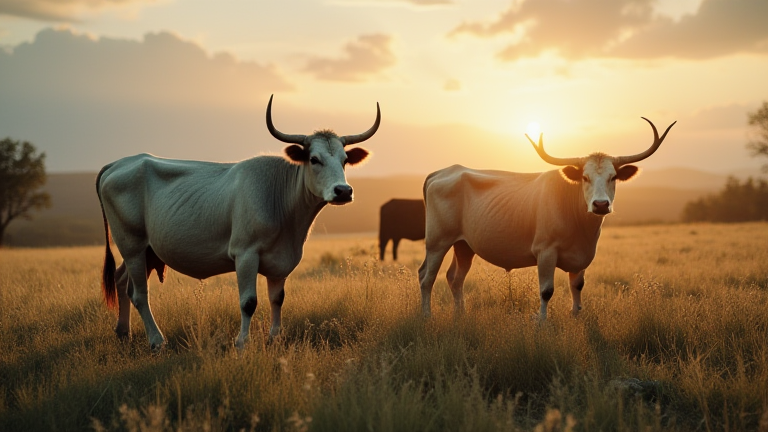
TL;DR: Beef and dairy production are responsible for 41% of farmland biodiversity loss due to extensive land clearing and intensive grazing practices. This significant ecological impact demands immediate strategic shifts toward sustainable farming models to preserve ecosystems while meeting global food demands.
The Hidden Cost of Livestock
The global agricultural sector stands at a critical juncture, with recent studies highlighting that beef and dairy industries contribute disproportionately to the degradation of natural habitats. The conversion of diverse ecosystems into monoculture pastures or feed crop fields is the primary driver behind this statistic. As consumer awareness grows, investors and stakeholders are increasingly scrutinizing the environmental footprint of protein sources, leading to a fundamental restructuring of market expectations.
If you want to dig deeper, check out our guide on Weekly Nutrition Q&A: Ask Your Personal Diet Questions Here.
Market Analysis: Shifting Consumer Preferences
Market dynamics are rapidly evolving as sustainability becomes a key purchasing factor. Major retailers and food service providers are committing to sourcing practices that minimize ecological damage. This shift creates a dual pressure on producers: they must reduce their environmental impact while maintaining profitability. Companies that fail to adapt risk losing market share to competitors who prioritize regenerative agriculture and transparent supply chains. The rise of carbon labeling and biodiversity certifications is further accelerating this transition, forcing traditional suppliers to innovate or face obsolescence.
Strategic Insights for Industry Leaders
To mitigate biodiversity loss, businesses must adopt a holistic approach to land management. Implementing rotational grazing systems, restoring native vegetation buffers, and integrating agroforestry can significantly enhance ecosystem health. Furthermore, investing in precision livestock farming technologies allows for better resource management, reducing waste and land use efficiency. Strategic partnerships with conservation organizations can provide the necessary expertise and credibility to validate sustainability claims, ensuring that marketing efforts align with tangible ecological improvements.
Case Studies in Regenerative Success
Several leading dairy cooperatives have successfully reduced their biodiversity footprint by adopting regenerative practices. For instance, a major European dairy brand partnered with local farmers to restore wetlands and plant hedgerows, resulting in a measurable increase in pollinator populations. Similarly, a North American beef producer implemented silvopasture systems, integrating trees with cattle grazing, which improved soil health and sequestered carbon. These case studies demonstrate that ecological restoration and economic viability are not mutually exclusive but rather complementary goals.
FAQ
Q: How does beef production specifically contribute to biodiversity loss?
A: It primarily through the extensive clearing of forests and grasslands for grazing land and feed crops, which destroys natural habitats and fragments ecosystems.
Q: What are the main benefits of adopting regenerative agriculture?
A: Regenerative agriculture improves soil health, increases water retention, enhances carbon sequestration, and supports a wider variety of plant and animal life.
Q: Are there financial incentives for farmers to switch to sustainable practices?
A: Yes, many governments and private entities offer subsidies, carbon credits, and premium pricing for products certified as sustainably or regeneratively produced.
Leave a Reply