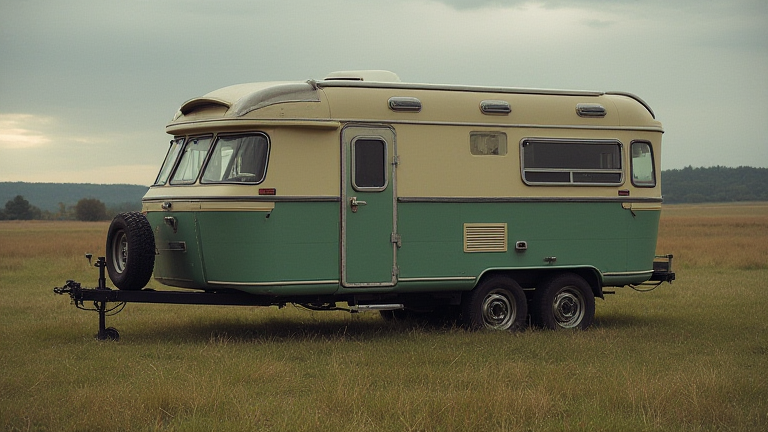
TL;DR: Vintage Coleman campers from four distinct generations remain highly functional and sought after by outdoor enthusiasts due to their robust construction and timeless design. By understanding the specific maintenance needs of each era, owners can confidently restore and operate these classic trailers for modern camping adventures.
4 Generations of Vintage Coleman Campers: Still Kickin’
If you want to dig deeper, check out our guide on How to Write SEO Blog Post Titles: The Ultimate Tutorial.
Owning a vintage Coleman camper is a journey into automotive history. These trailers, known for their durability and classic aesthetic, have survived decades on roads and trails. To keep them running smoothly, you must understand the nuances of each generation. This guide breaks down the restoration and maintenance process for the most iconic eras of Coleman travel trailers.
Step-by-Step Restoration and Maintenance
First, identify your model’s generation. The early models from the 1940s and 1950s feature steel frames and aluminum bodies. Inspect the chassis for rust, as this is the primary failure point. Use a wire brush to remove loose corrosion, then apply a rust converter followed by a high-quality primer and paint. Next, check the axle and suspension. These older units often have leaf spring suspensions that degrade over time. Replace worn bushings and grease all zerk fittings meticulously to ensure smooth towing.
For the 1960s and 1970s models, the focus shifts to interior preservation. These units introduced more comfortable amenities but suffered from water intrusion issues. Inspect all window seals and roof seams. Apply a fresh layer of butyl rubber tape or silicone sealant to prevent leaks. If the original vinyl flooring is cracked, consider replacing it with modern, water-resistant alternatives that mimic the vintage look. Ensure the propane system is leak-tested before any use.
Finally, address the electrical systems in later generations. These models often have outdated wiring that poses fire risks. Replace all frayed wires with modern, insulated cable. Install new LED lighting fixtures that consume less power and generate less heat. Upgrade the battery box to a secure, weather-resistant unit. Always disconnect the battery when storing the camper for extended periods to prevent drain.
Pro Tips for Longevity
Always store your Coleman camper under a cover or in a garage to protect it from UV damage and precipitation. Regularly inspect the tires, even if they appear unused, as rubber degrades over time. Use tire covers to prevent cracking. Keep a basic tool kit in the trailer for quick adjustments on the road. Finally, join online forums dedicated to vintage Coleman owners to swap parts and advice. Community knowledge is invaluable for maintaining these classic machines.
FAQ
Q: Are vintage Coleman campers safe for modern highways?
A: Yes, if properly maintained, they are safe for highway travel, provided you upgrade tires, brakes, and lighting to meet current safety standards.
Q: What is the most common issue found in 1960s models?
A: Water damage around windows and roof seams is the most frequent problem, requiring regular sealant inspection and replacement.
Q: Can I replace the original engine with a modern one?
A: Most Coleman campers are towed trailers without engines; however, if you have a motorized version, swapping the engine requires significant mechanical expertise and custom fabrication.
Leave a Reply