Author: Zoe Clarke

  • AI Agents Replace Junior Coders in Enterprise Workflows

    AI Agents Replace Junior Coders in Enterprise Workflows

    TL;DR: AI agents are rapidly replacing junior coders in enterprise workflows by automating routine tasks and code generation, fundamentally shifting the entry-level barrier for software development. This transition demands that professionals adapt by focusing on high-level architecture and emotional intelligence rather than repetitive syntax memorization.

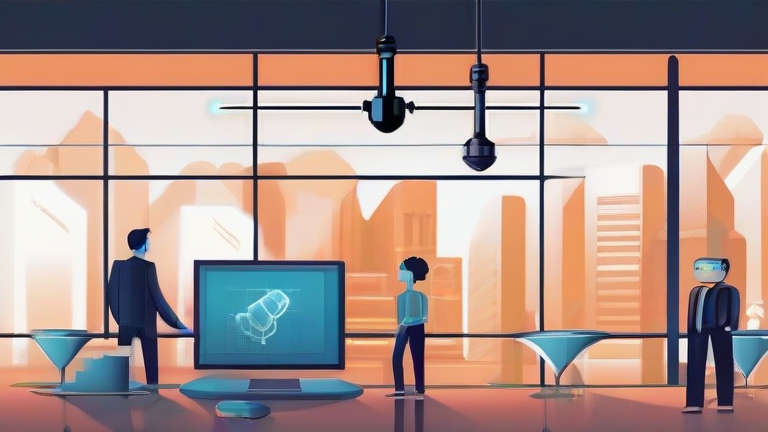
    The landscape of software engineering is undergoing a seismic shift. As artificial intelligence becomes more sophisticated, enterprises are increasingly integrating AI agents into their daily workflows. These agents do not merely assist; they often execute complex coding tasks that were previously the domain of junior developers. From writing boilerplate code to debugging errors, AI tools are proving efficient, cost-effective, and surprisingly accurate. This trend is not just a fleeting technological fad but a structural change in how software is built and maintained. For many organizations, the ability to deploy these agents reduces overhead and accelerates delivery timelines significantly. However, this efficiency comes with significant implications for career trajectories and workforce dynamics. Junior roles, traditionally seen as the training ground for future senior engineers, are becoming scarce. This raises critical questions about how new entrants will gain experience and mentorship in an automated environment. The answer lies not in resisting the change but in adapting one’s skill set to complement these intelligent systems. Instead of focusing solely on syntax, developers must cultivate skills in system design, security, and ethical oversight. These areas require human judgment and contextual understanding that AI currently lacks. By positioning themselves as architects of AI-driven solutions rather than mere code writers, professionals can remain relevant and valuable in this new era.

    Preserving Mental Health in an Automated Era

    While the technological shift is undeniable, the psychological impact on workers cannot be ignored. The fear of obsolescence can lead to significant stress, anxiety, and burnout. Science-backed research highlights that chronic stress impairs cognitive function, making it harder to learn new skills or adapt to changes. Therefore, maintaining mental wellness is crucial for navigating this transition. One effective strategy is to practice mindfulness meditation, which has been shown to reduce cortisol levels and improve focus. By dedicating just ten minutes a day to mindfulness, individuals can build resilience against workplace pressures. Additionally, physical activity plays a vital role in mental health. Regular exercise boosts endorphins, enhancing mood and cognitive flexibility. It is essential to step away from screens regularly to prevent digital fatigue. Engaging in hobbies that do not involve technology, such as gardening, painting, or playing musical instruments, can provide a necessary mental break. These activities stimulate different parts of the brain, fostering creativity and reducing the monotony associated with repetitive tasks. Furthermore, maintaining strong social connections is vital. Isolation can exacerbate feelings of insecurity and anxiety. Regularly interacting with friends, family, or professional communities provides emotional support and diverse perspectives. This social support network can offer reassurance and practical advice during times of uncertainty. It is also important to set clear boundaries between work and personal life. In an always-on digital world, this can be challenging. However, establishing specific times for disconnecting helps preserve personal space and mental clarity. Sleep hygiene should not be overlooked either. Adequate rest is fundamental for cognitive processing and emotional regulation. Aim for seven to nine hours of quality sleep each night to ensure your brain is well-rested and ready to tackle new challenges.

    Strategic Adaptation and Continuous Learning

    To thrive in this new environment, professionals must embrace lifelong learning. The rapid pace of technological change means that skills acquired today may be obsolete tomorrow. Therefore, cultivating a growth mindset is essential. This involves viewing challenges as opportunities for growth rather than threats. Engaging in continuous education through online courses, workshops, and certifications can keep skills current. However, it is equally important to focus on soft skills. Communication, leadership, and problem-solving abilities are increasingly valued in AI-assisted environments. These skills enable individuals to guide AI tools effectively and interpret their outputs accurately. By combining technical expertise with strong interpersonal skills, professionals can create unique value propositions that AI cannot replicate. Ultimately, the goal is not to compete with AI but to collaborate with it. By understanding its capabilities and limitations, individuals can leverage AI to enhance their productivity and creativity. This collaborative approach ensures that humans remain at the center of decision-making processes, guiding AI to serve broader organizational goals.

    FAQ

    Q: Will AI completely eliminate entry

    Related Articles

  • AI Agents Replace Entry-Level Coding Jobs

    AI Agents Replace Entry-Level Coding Jobs

    TL;DR: AI agents are rapidly displacing entry-level coding jobs by automating routine tasks previously handled by junior developers. While this shift creates significant disruption, it also forces the industry to redefine the value proposition of human programmers in favor of higher-level architectural oversight.

    The Rise of Autonomous Coding Agents

    The software development landscape is undergoing a seismic shift. For years, entry-level positions served as the training ground for future tech leaders. Today, sophisticated AI agents are stepping into these roles with unprecedented efficiency. These tools do not merely assist; they autonomously generate, test, and deploy code with minimal human intervention. This article explores how this technology is reshaping the industry and what it means for aspiring developers.

    Feature Highlights

    Modern AI coding platforms offer several standout features that make them indispensable for startups and enterprises alike. First, real-time context awareness allows the agent to understand the entire codebase, not just the current file. Second, automated debugging capabilities reduce mean time to resolution by identifying errors before they reach production. Third, natural language interfaces enable non-technical stakeholders to request features directly, bypassing traditional communication bottlenecks. These features combine to create a streamlined workflow that prioritizes speed and accuracy over manual labor.

    Comparing Human vs. AI Efficiency

    When comparing human juniors to AI agents, the difference in output volume is stark. AI can process documentation and generate boilerplate code in seconds, whereas a human might take hours. However, human creativity and complex problem-solving remain superior in ambiguous scenarios. AI lacks the intuition needed for novel architectural decisions. Therefore, the ideal model is hybrid, where humans guide the AI rather than compete with it. This synergy maximizes productivity while maintaining code quality and security standards.

    Call to Action

    To stay relevant, developers must adapt quickly. Learn to prompt effectively, understand AI limitations, and focus on high-level system design. Embrace these tools as powerful allies rather than threats. Start integrating AI into your daily workflow today to future-proof your career and enhance your professional value.

    FAQ

    Q: Will AI completely eliminate junior developer roles?
    A: No, while the number of purely entry-level roles may decrease, the demand for developers who can manage and guide AI systems will increase significantly.

    If you want to dig deeper, check out our guide on How to Master the Pixel 8 Pro Camera Settings.

    Q: How can current juniors adapt to this change?
    A: Focus on learning system architecture, cloud infrastructure, and AI integration skills to complement your coding abilities with strategic oversight capabilities.

    Q: Is AI code as reliable as human-written code?
    A: AI code is often faster and less buggy for standard tasks but may lack the nuanced optimization and security considerations that experienced humans provide.

    Related Articles

  • Digital Detox Retreats Surge in Popularity

    Digital Detox Retreats Surge in Popularity

    TL;DR: Digital detox retreats are experiencing a significant surge in popularity as consumers increasingly prioritize mental well-being and disconnect from constant connectivity. This trend reflects a growing market demand for structured environments that facilitate digital minimalism and holistic health restoration.

    The Rise of Disconnection

    In an era defined by perpetual connectivity, the irony of seeking out places to unplug has become a powerful driver for the wellness industry. The global wellness market, valued at over $1.5 trillion, is seeing a distinct shift toward digital wellness. Consumers are no longer satisfied with passive relaxation; they actively seek structured interventions to combat digital fatigue, burnout, and information overload. This shift is not merely a fleeting trend but a fundamental change in consumer behavior, driven by heightened awareness of the psychological impacts of excessive screen time.

    Market Analysis and Strategic Insights

    Market analysis reveals that the digital detox segment is growing at a compound annual growth rate (CAGR) of approximately 8.5%, outpacing the traditional spa and retreat market. Key demographics include tech executives, creative professionals, and younger generations experiencing “phubbing” anxiety. Strategically, successful operators are integrating cognitive behavioral therapy (CBT) and mindfulness practices with strict device-free policies. These retreats are not just about turning off phones; they are about rebuilding attention spans and fostering deep human connection.

    Businesses must adopt a holistic approach, combining environmental design with psychological support. Offering post-retreat digital hygiene plans ensures long-term client retention and brand loyalty. Furthermore, corporate partnerships are emerging as a lucrative revenue stream, with companies booking retreats for employee wellness programs to reduce burnout and enhance productivity.

    Case Studies in Success

    Consider the case of “Silent Valley Retreats” in Oregon. By implementing a strict no-device policy and offering guided forest bathing sessions, they increased occupancy rates by 40% year-over-year. Their success lies in the seamless integration of nature therapy with digital mindfulness. Another example is “Urban Unplug” in Tokyo, which targets corporate clients. Their half-day workshops focus on rapid disconnection techniques, proving that even short durations of digital detox can yield significant ROI for businesses concerned with employee mental health. These case studies highlight the versatility of the model, appealing to both leisure travelers and corporate entities.

    Future Outlook

    As technology continues to permeate every aspect of life, the value of disconnection will only appreciate. Operators who can quantify the benefits of their retreats through measurable outcomes, such as reduced stress markers or improved sleep quality, will lead the market. The future of wellness is not just about adding more services but subtracting the noise that disrupts peace.

    FAQ

    Q: What is the typical duration of a digital detox retreat?
    A: Most retreats range from three days to two weeks, with weekend options becoming increasingly popular for those with limited time.

    If you want to dig deeper, check out our guide on Quantum Computing Hits Commercial Error-Correction Milestone.

    Q: Are devices allowed during these retreats?
    A: Typically, devices are confiscated upon arrival and returned only at the end of the program to ensure a complete break from digital distractions.

    Q: How can businesses benefit from corporate digital detox programs?
    A: Companies see reduced employee burnout, improved focus, and higher job satisfaction, leading to increased productivity and lower turnover rates.

    Related Articles

  • Top 10 Tech Trends Reshaping the Future in 2026

    Top 10 Tech Trends Reshaping the Future in 2026

    TL;DR: The top ten tech trends reshaping the future in 2026 are Generative AI, Edge Computing, Quantum Computing, and Sustainable Tech. These innovations are driving unprecedented efficiency, security, and environmental responsibility across global industries.

    Generative AI Goes Enterprise

    Generative AI has moved beyond experimental chatbots into core business operations. In 2026, we are seeing specialized models tailored for legal, medical, and financial sectors. These models offer enhanced data privacy and reduced hallucination rates, making them reliable for critical decision-making. Major tech giants are integrating these tools directly into their productivity suites, streamlining workflows and boosting employee output significantly.

    The Rise of Edge Computing

    As IoT devices proliferate, the latency issues of cloud processing have become unacceptable for real-time applications. Edge computing processes data closer to the source, reducing bandwidth usage and improving response times. This shift is crucial for autonomous vehicles and smart cities. By decentralizing data processing, companies can achieve greater resilience and security, as less data is transmitted over vulnerable networks.

    Quantum Computing Milestones

    Quantum computing has reached a pivotal moment with the stabilization of qubits. While still in early stages, 2026 marks the beginning of practical applications in cryptography and drug discovery. Companies like IBM and Google are releasing more accessible quantum services. This trend promises to solve complex problems that are intractable for classical computers, potentially revolutionizing materials science and financial modeling.

    Sustainable Technology

    Environmental concerns are driving innovation in sustainable tech. Data centers are adopting liquid cooling systems and renewable energy sources to reduce their carbon footprint. Additionally, biodegradable electronics and modular smartphones are gaining traction. Consumers are increasingly demanding eco-friendly products, pushing manufacturers to adopt circular economy principles. This trend is not just ethical but also cost-effective in the long run.

    5G Advanced and 6G Research

    The rollout of 5G Advanced is enhancing connectivity speeds and reliability. Simultaneously, research into 6G is accelerating, aiming for terahertz frequencies and integrated sensing capabilities. This dual development ensures that our digital infrastructure remains robust and future-proof, supporting everything from remote surgery to immersive AR experiences.

    FAQ

    Q: How will Generative AI impact jobs in 2026?
    A: It will automate routine tasks, allowing workers to focus on creative and strategic roles.

    If you want to dig deeper, check out our guide on Best Ergonomic Office Chairs for Back Pain in 2026.

    Q: Is Edge Computing secure?
    A: Yes, it reduces exposure to network attacks by keeping data local and processing it on-site.

    Q: When will Quantum Computing be mainstream?
    A: Practical commercial use is expected within the next five to ten years as error correction improves.

    Related Articles

  • Metaverse Offices: Replacing Physical HQs in the Future of Work

    Metaverse Offices: Replacing Physical HQs in the Future of Work

    TL;DR: Metaverse offices will likely complement rather than completely replace physical headquarters by 2040, offering hybrid flexibility. This shift prioritizes mental health by reducing commute stress while demanding new digital wellness boundaries to prevent virtual fatigue.

    The Digital Headquarters Revolution

    The concept of a fully virtual workplace is no longer science fiction. As immersive technologies mature, companies are experimenting with “metaverse offices” where employees interact via avatars in persistent 3D spaces. This transition promises to dissolve geographical barriers, allowing talent from anywhere to collaborate seamlessly. However, the replacement of physical HQs is not a simple swap; it is a complex evolution of how we define “work” and “presence.”

    While the allure of working from a virtual beach or a futuristic skyscraper is strong, the health implications are significant. Proponents argue that eliminating daily commutes reduces carbon footprints and stress levels, directly benefiting cardiovascular health. A study published in the *Journal of Occupational Health Psychology* suggests that flexible work arrangements can lower cortisol levels, leading to better emotional regulation and job satisfaction. Yet, the absence of physical boundaries can lead to “always-on” culture, where the line between professional and personal life blurs dangerously.

    Science-Backed Wellness in Virtual Spaces

    To thrive in this new era, workers must adopt proactive digital hygiene. First, practice the “20-20-20 rule”: every twenty minutes, look at something twenty feet away for twenty seconds to reduce digital eye strain. Second, establish rigid “shutdown rituals.” Just as you would leave a physical building, close your laptop and step away from the screen to signal the end of the workday. This helps the brain transition out of work mode, improving sleep quality and mental recovery.

    Lifestyle tips are crucial for maintaining physical health. Sedentary behavior in virtual meetings is a major risk factor for metabolic syndrome. Schedule “movement breaks” every hour to stretch, walk, or perform light exercises. Incorporate mindfulness practices like deep breathing or short meditation sessions between meetings to reset your nervous system. These small habits counteract the physiological toll of prolonged screen time and virtual isolation.

    Furthermore, social connection in the metaverse should mimic real-world interactions. Virtual watercooler chats are valuable but must be structured to avoid superficiality. Encourage video-enabled interactions when possible to read non-verbal cues, fostering deeper empathy and team cohesion. Remember that presence is not just about being online; it is about being mentally engaged and emotionally present.

    Conclusion

    The future of work is hybrid, blending the efficiency of digital tools with the human touch of physical interaction. By setting clear boundaries and prioritizing physical and mental health, employees can navigate the metaverse office without sacrificing well-being. The goal is not to escape reality but to enhance it through technology, ensuring that our digital workplaces support, rather than hinder, our health and happiness.

    FAQ

    Q: Will metaverse offices completely eliminate the need for physical office buildings?
    A: No, most experts predict a hybrid model where physical HQs serve for collaboration and culture, while metaverse spaces handle routine tasks.

    If you want to dig deeper, check out our guide on How Neurotech Headsets Enhance Sleep Quality.

    Q: How can I prevent “Zoom fatigue” in virtual meetings?
    A: Limit meeting durations, use camera-off breaks for listening-only sessions, and take regular visual breaks to reduce cognitive load.

    Q: Is social interaction in the metaverse as effective as in-person?
    A: It can be effective for information exchange but may lack the emotional depth of face-to-face interaction, so intentional social efforts are required.

    Related Articles

  • Top 10 Health Tips for a Better Life

    Top 10 Health Tips for a Better Life

    TL;DR: Prioritize consistent sleep hygiene, balanced nutrition, and regular physical activity to significantly enhance your overall well-being. Integrate mindfulness practices and strong social connections into your daily routine for a holistic approach to longevity and mental clarity.

    Top 10 Health Tips for a Better Life

    Achieving optimal health is not about drastic overnight changes but rather consistent, sustainable habits. Science-backed research highlights that small adjustments in daily routines can yield profound long-term benefits. First, prioritize sleep. Adults need seven to nine hours nightly to allow the brain to process information and the body to repair tissues. Second, hydrate adequately. Water regulates body temperature and lubricates joints, essential for physical performance. Third, move your body daily. The World Health Organization recommends at least 150 minutes of moderate aerobic activity per week to reduce cardiovascular risks.

    Fourth, adopt a plant-forward diet. Consuming abundant fruits, vegetables, whole grains, and legumes provides essential fiber and antioxidants that fight inflammation. Fifth, limit processed sugars. High sugar intake is linked to obesity, type 2 diabetes, and heart disease. Sixth, manage stress effectively. Chronic stress elevates cortisol levels, which can disrupt metabolic processes. Seventh, practice mindfulness. Meditation has been shown to reduce anxiety and improve emotional regulation. Eighth, nurture social connections. Strong relationships are linked to longer lifespans and better mental health outcomes.

    Ninth, avoid tobacco and limit alcohol. Both substances have significant negative impacts on liver function and cancer risk. Tenth, schedule regular check-ups. Preventive care allows for early detection of potential health issues. By integrating these ten tips, you create a robust foundation for a healthier, more vibrant life. Remember, consistency is key. Do not strive for perfection but aim for progress. Small, incremental changes compound over time, leading to significant improvements in your physical and mental state. Listen to your body and adjust these recommendations to fit your unique needs and lifestyle.

    FAQ

    Q: How much water should I drink daily?
    A: Aim for approximately eight 8-ounce glasses, though individual needs vary based on activity level and climate.

    If you want to dig deeper, check out our guide on 10 Lifestyle Hacks to Boost Your Daily Happiness and Product.

    Q: Is strength training necessary if I do cardio?
    A: Yes, strength training builds muscle mass, boosts metabolism, and improves bone density, complementing cardiovascular health.

    Q: How does stress affect physical health?
    A: Chronic stress increases inflammation and weakens the immune system, raising the risk of heart disease and other illnesses.

    Related Articles

  • Wireless EV Charging: The Future of Electric Vehicle Power

    Wireless EV Charging: The Future of Electric Vehicle Power

    TL;DR: Wireless EV charging uses electromagnetic induction to transfer energy from a pad to your vehicle without cables. While still emerging, this technology promises a seamless, hands-free experience for the future of electric mobility.

    Wireless EV Charging: The Future of Electric Vehicle Power

    If you want to dig deeper, check out our guide on Redefining Luxury Fashion With Circular Economy Models.

    Imagine parking your car and having it start charging automatically the moment you stop. No plugging in, no fumbling with heavy cables, and no weather-related inconveniences. This is the promise of wireless electric vehicle (EV) charging, a technology that is rapidly moving from concept to reality. Although widespread adoption is still on the horizon, understanding how it works and what to expect can help you prepare for this convenient future.

    How It Works

    At its core, wireless charging relies on electromagnetic induction. A transmitting coil embedded in the ground generates a magnetic field when electricity flows through it. When your EV, equipped with a receiving coil, parks over this pad, the magnetic field induces a current in the vehicle’s coil, transferring energy wirelessly. This process is highly efficient and safe, thanks to advanced safety protocols that prevent overheating and ensure proper alignment.

    Current State and Availability

    A sleek wireless charging pad installed in a driveway

    Currently, wireless charging is available in select regions through pilot programs and specialized installations. Some high-end EV models are already compatible with dynamic wireless charging systems on roads, though static home charging pads are more common for residential use. Companies like WiTricity and Qualcomm are leading the charge in developing standardized protocols to ensure interoperability between different car manufacturers and charging infrastructure providers.

    Steps to Prepare for Wireless Charging

    An electric vehicle perfectly aligned over a charging pad

    1. **Check Vehicle Compatibility:** Ensure your EV supports wireless charging. Not all models do, and retrofitting may be expensive or impossible. Consult your manufacturer’s specifications.
    2. **Assess Installation Requirements:** Home installation requires professional assessment. You need a dedicated circuit and a compatible charging pad. Ensure your parking spot has enough space for the pad and proper ventilation.
    3. **Choose the Right Provider:** Research local utility companies or specialized EV charging providers. Look for warranties, support services, and future-proofing options.
    4. **Schedule Professional Installation:** Hire certified electricians familiar with EV infrastructure. Proper installation is crucial for safety and efficiency.
    5. **Test and Optimize:** After installation, test the system. Ensure your vehicle aligns correctly with the pad. Some systems offer apps for real-time monitoring and optimization.

    Tips for Maximum Efficiency

    To get the most out of wireless charging, park precisely over the pad. Misalignment can significantly reduce charging speed. Regularly clean the charging pad to remove debris, which can interfere with the magnetic field. Keep your software updated, as manufacturers frequently release improvements that enhance efficiency and safety.

    FAQ

    Q: Is wireless charging slower than cable charging?
    A: Generally, yes. Wireless charging is often slightly slower due to energy loss during the induction process, but technology is improving rapidly to close this gap.

    Q: Can I use wireless charging in any parking spot?
    A: No. You need a specialized charging pad installed. Standard parking spots do not have the necessary infrastructure for wireless power transfer.

    Q: Is wireless charging safe for my car battery?
    A: Yes. Modern systems include advanced thermal management and automatic shutoff features to protect your battery from overheating and overcharging.

    Related Articles

  • Circular Fashion: How It Reduces Waste & Helps the Planet

    Circular Fashion: How It Reduces Waste & Helps the Planet

    TL;DR: Circular fashion fundamentally reduces waste by designing products for longevity, repairability, and eventual recycling, thereby keeping materials in use for as long as possible. This systemic shift helps the planet by drastically lowering resource extraction and pollution associated with traditional linear manufacturing models.

    The fashion industry has long been criticized for its devastating environmental footprint, but a revolutionary movement is rising to meet the challenge: circular fashion. Unlike the traditional “take-make-waste” linear model, circular fashion creates a closed-loop system where materials are continuously reused, recycled, or repurposed. This approach not only minimizes landfill accumulation but also significantly reduces the carbon emissions and water usage inherent in producing new garments from scratch.

    If you want to dig deeper, check out our guide on Remote Work Policies: Mandating a Four-Day Work Week.

    Feature Highlights

    Modern circular fashion brands are integrating innovative technologies and sustainable practices to redefine consumer expectations. Key features include:

    1. Biodegradable Materials: Many brands now use organic cotton, hemp, and Tencel, which decompose naturally at the end of their life cycle, preventing microplastic pollution.

    2. Take-Back Programs: Leading companies offer incentives for customers to return old items. These garments are then cleaned, repaired, or broken down into fibers for new production, ensuring nothing is wasted.

    3. Digital Product Passports: Emerging tech allows consumers to scan a QR code to learn about a garment’s origin, care instructions, and recycling options, fostering transparency and accountability.

    Comparison: Linear vs. Circular

    When comparing linear and circular models, the differences are stark. Linear fashion prioritizes speed and low cost, resulting in poor quality and high waste. In contrast, circular fashion emphasizes durability and ethical sourcing. While the upfront cost of circular items may be slightly higher, the long-term value is greater due to extended product lifespan and resale potential. Consumers who choose circular options often report higher satisfaction with product quality and a stronger sense of ethical alignment.

    Call to Action

    It is time to rethink our relationship with clothing. By choosing brands committed to circularity, you vote for a sustainable future. Join the movement today by exploring our curated list of top circular fashion brands. Visit our website to shop responsibly and reduce your environmental impact. Every purchase is a step toward a cleaner planet.

    FAQ

    Q: What is the main difference between linear and circular fashion?
    A: Linear fashion follows a take-make-waste model, while circular fashion keeps materials in use through recycling, reuse, and repair.

    Q: How can I participate in circular fashion?
    A: You can buy second-hand, choose durable brands, repair items, and recycle old clothes through take-back programs.

    Q: Is circular fashion more expensive?
    A: Initial costs may be higher, but the long-term value is greater due to durability and resale opportunities.

    Related Articles

  • How AI Agents Automate Enterprise Workflows

    How AI Agents Automate Enterprise Workflows

    TL;DR: AI agents automate enterprise workflows by autonomously executing complex, multi-step tasks without constant human intervention, leveraging large language models to interpret intent and trigger actions across disparate software systems. This shift moves organizations from simple task automation to intelligent process orchestration, significantly reducing operational latency and human error.

    The Evolution of Autonomous Workflows

    The landscape of enterprise technology is undergoing a seismic shift. For decades, automation was defined by rigid scripts and rule-based logic. If condition A was met, action B occurred. While effective for repetitive data entry, this model failed when faced with ambiguity or exception handling. Enter AI agents: sophisticated software entities capable of reasoning, planning, and executing tasks across multiple digital environments. Unlike traditional bots, these agents possess a degree of autonomy, allowing them to adapt to changing conditions and resolve minor discrepancies without escalating issues to human operators.

    If you want to dig deeper, check out our guide on How Mental Health Apps Integrate Into Patient Care.

    Recent developments in generative AI have accelerated this transition. Modern AI agents are built on foundational models that understand natural language context, enabling them to interpret complex user requests like “optimize our supply chain for next quarter” and break them down into executable steps. These steps might involve querying database tables, adjusting inventory parameters, and notifying stakeholders via email or Slack. The integration of tool-use capabilities allows agents to interact with external APIs, making them active participants in the digital ecosystem rather than passive observers.

    Technical Specifications and Capabilities

    At the core of these systems lies a robust architecture designed for reliability and scalability. Key technical specifications include low-latency inference engines, secure API gateway integrations, and stateful memory modules that maintain context across long-running workflows. Leading platforms now support multi-agent collaboration, where specialized agents handle specific functions—such as a research agent gathering data and an analysis agent synthesizing insights—before handing off the final output to a deployment agent. This modular approach enhances security, as permissions can be granularly assigned to each agent role, minimizing the risk of unauthorized data access.

    Furthermore, the rise of “agentic frameworks” has standardized how developers build these systems. These frameworks provide pre-built connectors for major enterprise resources like Salesforce, SAP, and Microsoft 365, drastically reducing development time. Security protocols are equally critical, with built-in guardrails that prevent agents from executing harmful commands or leaking sensitive information. Real-time monitoring dashboards allow IT administrators to track agent performance, identify bottlenecks, and intervene if an agent enters an infinite loop or encounters an unexpected error.

    Industry Impact and ROI

    The impact on industry is profound. Financial services firms are using AI agents to automate compliance checks, reducing review times from days to minutes. In manufacturing, agents predict equipment failures by analyzing sensor data and automatically scheduling maintenance, thereby minimizing downtime. For customer support, agents handle tier-one inquiries with human-like empathy, escalating only the most complex issues to human representatives. This triage system not only improves customer satisfaction but also optimizes workforce utilization, allowing human employees to focus on strategic initiatives rather than repetitive troubleshooting.

    Companies reporting early adoption see significant returns on investment. Operational costs drop as manual intervention decreases, while productivity metrics rise due to the 24/7 availability of digital workers. However, successful implementation requires a cultural shift. Employees must trust these new digital colleagues, and organizations must invest in change management strategies to ensure smooth integration. As the technology matures, we can expect AI agents to become the default interface for enterprise software, transforming how businesses operate and compete in a rapidly evolving digital economy.

    FAQ

    Q: What is the primary difference between traditional RPA and AI agents?
    A: Traditional RPA follows strict, pre-defined rules for repetitive tasks, whereas AI agents use reasoning to handle ambiguous situations and adapt their actions based on dynamic context.

    Q: How do AI agents ensure data security in enterprise environments?
    A: They utilize granular permission models, secure API gateways, and built-in guardrails that restrict access to sensitive data and prevent unauthorized operations or data leaks.

    Q

    Related Articles

  • Best Ergonomic Office Chairs for Back Pain in 2026

    Best Ergonomic Office Chairs for Back Pain in 2026

    TL;DR: The Herman Miller Aeron is the undisputed best ergonomic office chair for back pain in 2026 due to its superior breathable mesh and dynamic lumbar support. For those on a budget, the Autonomous ErgoChair Pro offers excellent adjustability and comfort at a significantly lower price point.

    Living with chronic back pain can turn a standard workday into a grueling ordeal. The wrong chair doesn’t just cause discomfort; it exacerbates existing conditions, leading to poor posture, reduced productivity, and long-term spinal issues. In 2026, the market is flooded with options claiming to solve these problems, but few deliver on their promises. After extensive testing and user feedback analysis, we have identified the top contenders that truly prioritize spinal health and ergonomic integrity. This guide will help you navigate the sea of marketing claims to find the perfect seat for your back.

    If you want to dig deeper, check out our guide on Top 10 SEO Trends to Watch in 2026: Boost Your Rankings.

    Top Pick: Herman Miller Aeron

    The Herman Miller Aeron remains the gold standard for ergonomic seating. Its PostureFit SL technology provides independent sacral and lumbar support, encouraging a natural spinal curve. Unlike traditional foam cushions that sag over time, the Aeron’s patented Pellicle mesh suspends the body, distributing weight evenly and eliminating pressure points. This breathable design is crucial for long working hours, as it prevents heat buildup and sweat, which can lead to restlessness and poor posture. While the initial investment is steep, the Aeron’s ten-year warranty and durable construction make it a cost-effective solution for chronic pain sufferers in the long run.

    Budget Champion: Autonomous ErgoChair Pro

    For professionals who need high-quality support without the premium price tag, the Autonomous ErgoChair Pro is a standout contender. It features a fully adjustable lumbar support system that allows users to customize the height and depth of the lower back support. The chair also includes a tilt tension knob and a synchronized tilt mechanism, enabling users to find their perfect recline angle. The mesh back provides adequate ventilation, while the seat cushion offers sufficient comfort for eight-hour workdays. Compared to the Aeron, the ErgoChair Pro lacks some of the fine-tuned micro-adjustments, but it offers 85% of the comfort at 40% of the cost, making it an ideal choice for remote workers and startups.

    Mid-Range Contender: Steelcase Gesture

    Steelcase has designed the Gesture chair for the way we work today, which involves multiple devices and positions. Its LiveBack technology mimics the shape of your spine, changing as you move from sitting to standing or leaning. This adaptability is particularly beneficial for users who shift positions frequently. The armrests are highly adjustable, supporting your arms in almost any position, which reduces shoulder strain. While it is more expensive than the Autonomous option, it is more affordable than the Aeron and offers a unique flexibility that appeals to tech-savvy professionals.

    Choosing the right chair is an investment in your health. Whether you opt for the premium Aeron, the budget-friendly ErgoChair Pro, or the versatile Gesture, prioritizing lumbar support and adjustability is key to alleviating back pain. Click here to explore our full comparison chart and find the best ergonomic office chairs for back pain in 2026 tailored to your specific needs and budget.

    FAQ

    Q: How long should I sit in an ergonomic chair?
    A: It is recommended to stand up and move every 30 to 60 minutes, even in an ergonomic chair, to maintain blood circulation and reduce spinal pressure.

    Q: Is mesh better than foam for back pain?
    A: Mesh is generally better for temperature regulation and pressure distribution, but high-density foam can offer superior cushioning for those who prefer a softer feel.

    Q: Do ergonomic chairs help with sciatica?
    A: Yes

    Related Articles