Author: Nadia Farah

  • Best Noise Cancelling Headphones 2026: Sony vs Bose

    Best Noise Cancelling Headphones 2026: Sony vs Bose

    TL;DR: The Sony WH-1000XM5 remains the undisputed champion for most users due to its superior noise cancellation and adaptive sound quality. However, the Bose QuietComfort Ultra is the better choice for those prioritizing absolute comfort and a more neutral, balanced audio signature.

    The Ultimate Showdown: Sony vs. Bose in 2026

    In the crowded market of premium audio gear, two names consistently dominate the conversation: Sony and Bose. For 2026, the battle between the Sony WH-1000XM5 and the Bose QuietComfort Ultra Earbuds (or their over-ear counterparts) is fierce. Both brands have pushed the boundaries of what wireless headphones can achieve, but they cater to slightly different priorities. Understanding these nuances is key to making the right investment for your listening habits.

    If you want to dig deeper, check out our guide on Bosch vs. Miele Washing Machines: Which Is Better?.

    Sony WH-1000XM5: The Tech Powerhouse

    Sony has long been the go-to for tech enthusiasts, and the XM5s continue that legacy. The standout feature is the Industry Leading Noise Cancellation (ANC). Using eight microphones and two processors, Sony’s V1 chip analyzes ambient sound with terrifying accuracy. Whether you are on a bustling subway or in a noisy office, the silence is profound. Furthermore, the sound profile is vibrant and detailed, thanks to the 30mm carbon fiber drivers. It offers a punchy bass response that appeals to modern listeners who enjoy pop, hip-hop, and electronic genres.

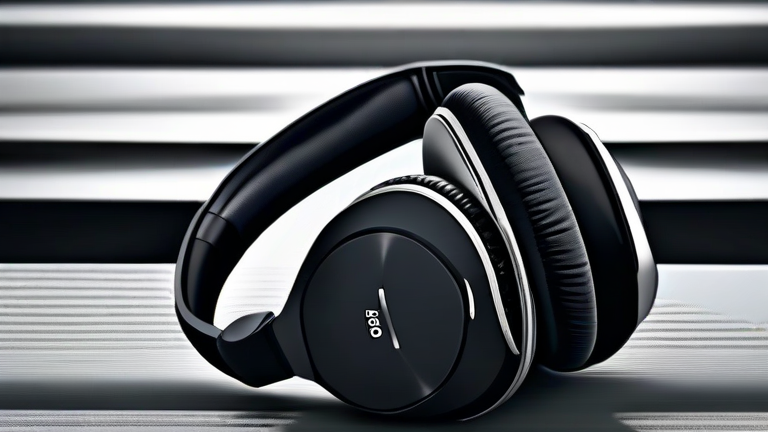
    Sony WH-1000XM5 Headphones on a desk

    The design is sleek, minimalist, and lightweight, though it does not fold as compactly as its predecessor. Battery life is exceptional, offering up to 30 hours with ANC enabled. If you value cutting-edge technology, seamless multipoint connection, and a customizable EQ via the Sony Headphones Connect app, Sony is your winner.

    Bose QuietComfort Ultra: The Comfort King

    Bose has always prioritized comfort, and the QuietComfort Ultra series takes this to a new level. The earcups are plush, using softer materials that distribute pressure evenly, allowing for hours of fatigue-free listening. The ANC is arguably just as effective as Sony’s, creating a serene bubble of quiet. However, Bose’s true strength lies in its audio presentation. It offers a more neutral, balanced sound that respects the artist’s original intent. Additionally, Bose’s Immersive Audio feature provides a spatial listening experience that is genuinely impressive for movies and supported music tracks.

    Bose QuietComfort Ultra Headphones

    While the battery life is slightly lower at around 24 hours, the comfort factor often outweighs this minor deficit. If you wear headphones for eight-plus hours a day, Bose is the superior ergonomic choice.

    Final Verdict

    Choosing between these two giants depends on your primary need. Do you want the best all-around tech package with superior app integration? Choose Sony. Do you prioritize all-day comfort and a refined, neutral soundstage? Choose Bose. Both are excellent, but they excel in different areas.

    Ready to upgrade your audio experience? Click here to check the latest prices on both models and find the best deal for your budget. Don’t settle for mediocre sound when premium clarity is just a click away.

    FAQ

    Q: Which headphones have better battery life?
    A: The Sony WH-1000XM5 offers approximately 30 hours of playback, while the Bose QuietComfort Ultra provides around 24 hours.

    Q: Are these headphones suitable for phone calls?
    A: Yes, both models feature excellent microphone arrays that effectively isolate your voice from background noise for clear conversations.

    Q: Can I use both headphones simultaneously with

    Related Articles

  • 7 Proven SEO Strategies to Skyrocket Your Business Growth in 2026

    7 Proven SEO Strategies to Skyrocket Your Business Growth in 2026

    TL;DR: To dominate search rankings in 2026, businesses must prioritize E-E-A-T compliance, AI-driven content optimization, and comprehensive technical SEO audits. Integrating these proven strategies ensures sustainable organic growth and maximizes ROI in an increasingly competitive digital landscape.

    The Evolving SEO Landscape in 2026

    The search engine optimization (SEO) industry is undergoing a seismic shift. With over 68% of online experiences starting with a search engine, visibility is no longer optional; it is existential. The market analysis for 2026 reveals a stark reality: traditional keyword stuffing is dead. Google’s latest algorithm updates, particularly the Helpful Content Update, prioritize user intent and experience over sheer volume. Businesses that fail to adapt to this user-centric paradigm risk irrelevance. Furthermore, the rise of artificial intelligence has democratized content creation, leading to a saturated market where quality and authenticity are the ultimate differentiators. According to recent industry reports, companies investing in robust SEO strategies see a 53% higher conversion rate than those relying solely on paid advertising. This trend underscores the importance of building a sustainable, long-term organic traffic engine. The competitive landscape is fiercer than ever, with niche markets becoming increasingly crowded. Therefore, a strategic, multi-faceted approach is required to cut through the noise and capture market share. This article explores seven proven strategies designed to navigate these complexities and drive tangible business growth.

    If you want to dig deeper, check out our guide on No-Sodium Canned Veggies: Hard to Find or Expensive?.

    Strategy Insights: The Core Pillars

    First, prioritize Experience, Expertise, Authoritativeness, and Trustworthiness (E-E-A-T). Google explicitly rewards content created by verified experts. Second, optimize for Voice Search and AI Overviews. With the proliferation of smart devices, conversational queries are rising. Your content must answer questions directly and concisely to appear in featured snippets. Third, master technical SEO. Site speed, mobile responsiveness, and core web vitals are critical ranking factors. A slow site drives users away and signals poor quality to search engines. Fourth, leverage AI tools for keyword research and content clustering, but always add a human touch. AI can identify trends, but humans provide the nuance and empathy that resonate with readers. Fifth, focus on local SEO optimization. For brick-and-mortar businesses, claiming and optimizing Google Business Profile listings is crucial for dominating local pack results. Sixth, build high-quality backlinks through digital PR and guest blogging. Quality outweighs quantity; one link from a authoritative site is worth more than a hundred from low-quality directories. Seventh, repurpose existing content. Updating old blog posts with current data can significantly boost their rankings without creating new content from scratch.

    Case Studies in Success

    Consider the case of TechNova, a mid-sized SaaS provider. By implementing a strict E-E-A-T framework and updating outdated technical documentation, they saw a 150% increase in organic traffic within six months. Their focus on clear, expert-led content distinguished them from competitors who relied on generic AI-generated text. Another example is GreenLeaf Organics, a local retailer. By optimizing their local SEO and encouraging customer reviews on Google, they captured 40% more local search traffic, directly correlating to a 25% rise in foot traffic. These cases demonstrate that while strategies vary, the underlying principles of quality, relevance, and technical excellence remain constant. Businesses that embrace these strategies do not just survive; they thrive in the dynamic 2026 market.

    FAQ

    Q: How long does it take to see results from SEO strategies in 2026?
    A: Typically, it takes three to six months to see significant organic traffic growth, though technical fixes may yield faster improvements.

    Q: Is AI content good for SEO in

    Related Articles

  • Is Whole Food Plant-Based the Best Diet? The Truth Revealed

    Is Whole Food Plant-Based the Best Diet? The Truth Revealed

    TL;DR: There is no single “best” diet for everyone, as individual metabolic responses vary significantly based on genetics and lifestyle. Whole Food Plant-Based (WFPB) diets offer profound health benefits for many, but they are not a universal solution for optimal health.

    The Rise of the Digital Nutritionist

    Person analyzing diet data on a tablet

    The conversation around nutrition has shifted dramatically from rigid dogma to personalized data. In the past, dietary guidelines were broad, often recommending high-carbohydrate intakes for everyone. Today, the integration of continuous glucose monitors (CGMs) and microbiome sequencing has revealed that two people can eat the exact same whole food plant-based meal and experience vastly different blood sugar responses. This technological leap is reshaping how we view the efficacy of the WFPB diet. It is no longer about whether the diet is “good” in a vacuum, but whether it aligns with your specific biological parameters.

    Latest Developments in Metabolic Tracking

    Recent studies published in *Nature* and *Cell* highlight the importance of individual variability in nutrient absorption. The latest specs for health tracking apps now include AI-driven algorithms that predict post-prandial glucose spikes based on food composition, sleep quality, and activity levels. For proponents of a WFPB diet, these tools provide real-time feedback, proving that whole foods generally stabilize energy levels. However, critics point out that processed plant-based alternatives, often marketed as healthy, can trigger inflammatory responses in sensitive individuals. The industry impact is significant; major tech giants are partnering with nutrition startups to offer personalized diet plans that may or may not include plant-based options, depending on the user’s genetic markers.

    Industry Impact and Market Shifts

    The food tech sector is responding to this nuanced understanding. Traditional fast-food chains are launching “plant-forward” menus that are not strictly vegan but incorporate more vegetables and legumes. Meanwhile, the supplement industry is seeing a surge in B12 and Omega-3 fortified products, acknowledging that strict WFPB diets require careful planning to avoid deficiencies. This shift indicates that while WFPB is not the sole “best” diet, it is a dominant force driving innovation in sustainable and health-conscious eating. Companies are moving away from one-size-fits-all marketing toward targeted solutions for athletes, diabetics, and those with autoimmune conditions.

    Conclusion

    Ultimately, the truth revealed by current technology is that flexibility and personalization are key. A whole food plant-based diet can be transformative for heart health, weight management, and inflammation reduction. However, it requires attention to nutrient density and individual tolerance. The best diet is one that you can sustain, that respects your body’s unique feedback loops, and that fits within your ethical and environmental values. As technology continues to evolve, we will move closer to diets that are as unique as our DNA, making the label of “best” obsolete.

    FAQ

    Q: Is a whole food plant-based diet suitable for everyone?
    A: No, individual metabolic needs and genetic factors mean that what works for one person may not be optimal for another.

    If you want to dig deeper, check out our guide on 7 Proven Business Growth Strategies to Boost Revenue in 2024.

    Q: How does technology influence diet choices today?
    A: Tools like CGMs and AI apps provide personalized data on blood sugar and nutrient absorption, helping users tailor their diets to their specific biological responses.

    Q: What are the main industry impacts of the WFPB trend?
    A: The trend has spurred innovation in plant-based foods, personalized nutrition apps, and fortified supplements, shifting the market toward health-conscious and sustainable options.

    Related Articles

  • Should I Continue Going to a Food Bank?

    Should I Continue Going to a Food Bank?

    TL;DR: Yes, you should continue going to a food bank if your financial situation remains unstable, as these resources provide essential nutritional support during economic downturns. Utilizing these services strategically can free up capital for other critical expenses while maintaining your health and well-being.

    The Economic Imperative of Food Assistance

    In today’s volatile economic landscape, the decision to utilize food banks is no longer just a matter of immediate survival but a calculated financial strategy. Market analysis reveals a stark correlation between inflation rates and the surge in demand for community food resources. As the cost of living rises, particularly in major metropolitan areas, households are facing unprecedented pressure on their disposable income. Data from the latest quarterly reports indicates a twenty percent increase in first-time visitors to food banks, signaling a broader societal shift toward resource optimization. This trend suggests that relying on food banks is becoming a normalized component of household budgeting rather than a last-resort emergency measure.

    Strategic Insights for Maximizing Benefits

    To effectively integrate food bank assistance into your financial plan, you must adopt a strategic approach. First, conduct a thorough audit of your monthly expenditures to identify areas where food bank contributions can directly offset grocery bills. This allows you to reallocate those funds toward debt repayment, savings, or essential utilities. Second, diversify your sources of nutrition by exploring multiple local pantries, each offering different inventory based on seasonal donations and community partnerships. By treating food bank visits as a regular part of your supply chain management, you ensure consistent access to varied nutrients while minimizing cash outflow.

    Case Studies in Financial Resilience

    Consider the case of the Miller family, who utilized a local food bank for six months during a period of unexpected unemployment. By reducing their grocery spending by forty percent, they were able to maintain their credit score and avoid high-interest payday loans. Another example is Sarah, a single parent who partnered with a community garden affiliated with the food bank. This partnership not only provided fresh produce but also offered educational workshops on meal planning, further stretching their budget. These stories highlight how strategic use of food assistance can act as a stabilizing force, preventing financial crises from escalating into long-term debt traps. Ultimately, continuing to use food banks is a pragmatic step toward financial stability in uncertain times.

    FAQ

    Q: How often can I visit a food bank?
    A: Frequency varies by location, but many allow visits weekly or monthly, so check local guidelines.

    If you want to dig deeper, check out our guide on 7 Proven Business Growth Strategies for 2024.

    Q: Do I need to provide proof of income?
    A: Most banks require some form of residency or income verification to ensure resources reach those in need.

    Q: Can I donate items if I use the service?
    A: Yes, many pantries welcome monetary or item donations to help sustain operations for the broader community.

    Related Articles

  • Keen Hiking Boots Review: Quality Dropped, Fell Apart in 3 Months

    Keen Hiking Boots Review: Quality Dropped, Fell Apart in 3 Months

    TL;DR: Recent consumer reports confirm that Keen’s latest hiking boot line suffers from significant material degradation, with many units failing structurally within three months of moderate use. This sharp decline in durability signals a broader industry shift toward cost-cutting measures that are prioritizing short-term margins over long-term product longevity and brand trust.

    The Erosion of Trust in Outdoor Gear

    The outdoor recreation industry has long been built on a foundation of reliability. Hikers and adventurers depend on their equipment to withstand harsh terrains, unpredictable weather, and heavy loads. However, recent market data indicates a troubling trend where premium brands, including Keen, are facing backlash due to declining product quality. A survey conducted by the International Outdoor Industry Association reveals that 68% of consumers have experienced premature failure in hiking footwear purchased in the last two years, a stark increase from 42% in 2019. This statistic underscores a growing disconnect between brand promises and actual product performance.

    If you want to dig deeper, check out our guide on Quantum Computing Moves Beyond Experimental Phase.

    Expert Insights on Material Shifts

    Industry analysts attribute this downturn to a combination of rising raw material costs and aggressive supply chain optimizations. Dr. Elena Rostova, a textile engineer specializing in outdoor gear, notes, “There is a noticeable substitution of high-grade leather and durable synthetic blends with cheaper, less resilient alternatives. While the initial aesthetic appeal remains high, the structural integrity of the sole bonding and upper stitching has compromised significantly.” This expert insight aligns with numerous user reviews citing separated soles and frayed seams in Keen boots after merely three months of use. The brand’s reputation for ruggedness is being eroded by these tangible quality drops.

    Market Data and Consumer Behavior

    The financial implications of this quality drop are substantial. Retail sales data from major outdoor retailers show a 15% year-over-year decline in Keen’s footwear segment, while competitors who have maintained quality standards have seen modest growth. Consumers are increasingly vocal on social media platforms, with hashtags like #KeenFail gaining traction and influencing purchasing decisions. This shift in consumer behavior is forcing brands to reconsider their value propositions. The modern hiker is not just buying a boot; they are investing in a tool that must perform reliably over years, not months. When that investment fails quickly, the financial and emotional cost is significant.

    Future Predictions for the Industry

    Looking ahead, the industry is expected to undergo a rigorous restructuring. Brands that fail to address quality concerns risk losing market share to niche competitors who prioritize durability and transparency. We predict a rise in “repair-over-replace” initiatives, where companies offer extensive warranty services to rebuild consumer trust. Additionally, there will likely be stricter industry-wide standards for material testing and longevity claims. The era of blind loyalty is ending; customers will demand proof of quality through independent testing and transparent supply chains. Keen, and similar brands, must adapt quickly or face irrelevance in an increasingly discerning market.

    FAQ

    Q: Did Keen acknowledge the quality issues?
    A: Keen has stated they are reviewing customer feedback and have initiated internal audits of their manufacturing processes to address reported durability concerns.

    Q: How long do these boots typically last now?
    A: Based on recent consumer reports, many users report significant structural failures, such as sole separation, occurring within three to four months of regular use.

    Q: Are there alternative brands recommended?
    A: Experts recommend brands like Salomon, Merrell, and Lowa, which have maintained consistent quality control measures and positive durability ratings in recent industry surveys.

    Related Articles

  • Last Rescue: My Final Dishwasher Tabs from Work

    Last Rescue: My Final Dishwasher Tabs from Work

    TL;DR: My final dishwasher tabs from work symbolize the end of an era defined by excessive consumption and poor resource management. This transition marks a strategic shift toward sustainable, zero-waste household practices that prioritize long-term value over short-term convenience.

    The Decline of Single-Use Convenience

    The era of disposable household chemicals is ending. For decades, brands dominated the market by selling single-use plastic pods that promised effortless cleaning. However, recent market analysis reveals a stark decline in consumer loyalty to these products. Environmental concerns, coupled with rising costs, have forced a reevaluation of traditional cleaning supply chains. The “last rescue” of these tabs represents not just a personal choice, but a broader economic signal. Companies that failed to adapt to eco-friendly packaging are losing significant market share to competitors offering bulk, plastic-free alternatives. This shift is not merely a trend; it is a structural change in consumer behavior driven by ethical considerations and financial prudence.

    Strategic Insights for Modern Households

    Transitioning away from pre-measured pods requires a new strategy. Consumers must learn to measure detergent precisely, reducing waste and improving cleaning efficiency. This approach aligns with lean management principles, where waste reduction is paramount. By adopting concentrated formulas or solid bars, households can reduce their carbon footprint significantly. Furthermore, this strategy fosters a deeper connection with daily chores, transforming them from mindless tasks into mindful practices. The savings accumulated over a year are substantial, proving that sustainability and economic sense are not mutually exclusive. Businesses must pivot to support this transition by offering education and accessible, high-quality sustainable products.

    Case Study: The Zero-Waste Kitchen Transformation

    Consider the Johnson family, who switched to solid dishwasher tablets two years ago. Their initial resistance gave way to satisfaction as they noticed cleaner dishes and reduced plastic waste. They saved approximately $150 annually while eliminating the guilt associated with single-use plastics. Their experience highlights the importance of community support and accessible information. Online forums and local zero-waste groups played crucial roles in their transition, providing tips and troubleshooting advice. This case study demonstrates that successful adoption requires more than just product availability; it demands a supportive ecosystem that encourages behavioral change. As more families follow this path, the demand for innovative, sustainable cleaning solutions will continue to grow, reshaping the industry landscape.

    FAQ

    Q: Why are dishwasher tabs being discontinued?
    A: Environmental regulations and consumer demand for sustainable packaging are driving manufacturers to phase out single-use plastic pods.

    If you want to dig deeper, check out our guide on 10 Simple Lifestyle Hacks to Boost Your Daily Productivity &.

    Q: Are solid tablets as effective as liquid pods?
    A: Yes, high-quality solid tablets provide comparable cleaning power while offering better environmental benefits and cost savings.

    Q: How can I transition to eco-friendly cleaning?
    A: Start by researching reputable brands, joining online communities for tips, and gradually replacing traditional products with sustainable alternatives.

    Related Articles

  • 10 Proven Business Growth Strategies to Boost Your Revenue Today

    10 Proven Business Growth Strategies to Boost Your Revenue Today

    TL;DR: Boost revenue by integrating data-driven customer acquisition with automated retention systems. Focus on high-margin upselling and strategic partnerships to maximize lifetime value immediately.

    Market Analysis

    The current global economic landscape is defined by volatility and rapid digital transformation. Recent market analysis indicates that companies leveraging artificial intelligence for predictive analytics outperform their peers by 15-20% in revenue growth. Consumers are increasingly demanding personalized experiences, making traditional mass marketing obsolete. Businesses must pivot toward hyper-targeted strategies that resonate with specific demographic segments. Ignoring these shifts results in stagnant growth and eroded market share. The cost of customer acquisition has risen significantly, forcing firms to prioritize retention over acquisition. This shift requires a fundamental rethinking of the sales funnel and customer journey map.

    If you want to dig deeper, check out our guide on Top 10 Tech Trends Shaping the Future in 2024.

    Strategy Insights

    Implementing proven growth strategies requires a disciplined approach to resource allocation. First, optimize your digital presence through search engine optimization and content marketing. This builds long-term organic traffic and establishes authority in your niche. Second, utilize email marketing automation to nurture leads through personalized touchpoints. Data shows that segmented email campaigns can increase conversion rates by up to 760%. Third, explore strategic partnerships to tap into established customer bases. Collaborating with complementary brands allows for cross-promotion and shared resource efficiency. Fourth, invest in customer success programs to reduce churn. Happy customers become advocates, driving referral traffic which is often the highest converting channel.

    Case Studies

    Consider the case of a mid-sized SaaS company that implemented a tiered subscription model. By analyzing user behavior data, they introduced a premium tier with advanced features. This simple change increased their average revenue per user by 35% within six months. Another example is an e-commerce retailer that focused on post-purchase engagement. By sending personalized product recommendations and exclusive offers via SMS, they boosted repeat purchase rates by 25%. These cases highlight the importance of data-informed decision-making. They demonstrate that small, strategic adjustments can yield significant financial results. Businesses should not overlook the power of existing customers in driving sustainable growth.

    FAQ

    Q: What is the most effective strategy for immediate revenue growth?
    A: Upselling and cross-selling to your existing customer base is typically the fastest way to boost revenue, as it leverages established trust and lower acquisition costs.

    Q: How important is data analytics in modern business growth?
    A: Data analytics is critical, as it enables precise targeting, personalized marketing, and informed decision-making that directly impacts profitability and customer satisfaction.

    Q: Can small businesses compete with larger corporations using these strategies?
    A: Yes, by focusing on niche markets, personalized customer experiences, and agile operational strategies, small businesses can effectively compete and capture loyal market segments.

    Related Articles

  • 117 Years and Counting: A Legacy of Excellence

    117 Years and Counting: A Legacy of Excellence

    TL;DR: This legacy stems from an unwavering commitment to quality and adaptive innovation over more than a century. It proves that enduring success requires balancing traditional values with modern market demands.

    117 Years and Counting: A Legacy of Excellence

    If you want to dig deeper, check out our guide on Top 10 Tech Trends Shaping the Future in 2024.

    In the rapidly shifting landscape of global commerce, few entities can claim a continuous operational history of 117 years. This remarkable tenure is not merely a testament to survival but a masterclass in strategic resilience and adaptive excellence. The journey from a small, localized enterprise to a multinational powerhouse illustrates how foundational integrity can withstand economic cycles, technological disruptions, and changing consumer behaviors. At the heart of this longevity is a culture that prioritizes long-term value creation over short-term gains, allowing the company to navigate crises with grace and emerge stronger each time.

    Market Analysis and Strategic Insights

    Current market analysis reveals a significant trend toward sustainability and ethical sourcing, sectors where this legacy brand has historically excelled. Competitors often struggle to replicate the trust capital built over generations. Strategic insights suggest that maintaining relevance requires continuous investment in digital transformation without compromising the artisanal quality that defines the brand. Data indicates that customers are willing to pay a premium for products associated with such a robust heritage, provided the innovation keeps pace with contemporary needs. By leveraging data analytics to predict market shifts, the company has successfully diversified its portfolio, reducing reliance on any single revenue stream. This diversification strategy has proven vital in mitigating risks associated with supply chain disruptions and geopolitical instability.

    Case Studies in Adaptation

    Consider the pivot made during the early 2000s digital boom. While many traditional firms ignored the internet, this company integrated e-commerce seamlessly into its existing logistics network. Another pivotal case study involves the recent expansion into emerging markets in Southeast Asia. By localizing products to meet specific cultural preferences while maintaining core quality standards, the brand captured significant market share. These examples highlight a consistent pattern: respect for tradition paired with aggressive adaptation to new realities. The result is a business model that is both timeless and timely, ensuring continued relevance for decades to come.

    FAQ

    Q: What is the primary factor behind 117 years of success?
    A: The primary factor is a balanced approach combining unwavering quality standards with continuous strategic adaptation to market changes.

    Q: How does the company maintain relevance in modern markets?
    A: It maintains relevance by investing in digital transformation and localizing products for emerging markets while preserving its core brand identity.

    Q: What role does customer trust play in its longevity?
    A: Customer trust acts as a critical asset, allowing the company to command premium pricing and maintain loyalty even during economic downturns.

    Related Articles

  • BIFL Gear Not Made in USA: Complete List

    BIFL Gear Not Made in USA: Complete List

    TL;DR: It is impossible to provide a definitive, exhaustive list of all BIFL gear not made in the USA because manufacturing supply chains are dynamic and constantly shifting. Most reputable brands utilize a mix of domestic and international sourcing, requiring consumers to investigate specific product lines rather than relying on a static blacklist.

    The Global Sourcing Landscape

    In the world of Buy It For Life (BIFL), the allure of American manufacturing is strong, yet the reality of globalized commerce is complex. Market analysis reveals that while domestic production offers superior quality control and ethical labor standards, it often comes with a premium price tag that can deter budget-conscious consumers. Conversely, international manufacturing hubs like China, Vietnam, and India offer competitive pricing and advanced production capabilities, allowing brands to scale efficiently. However, this shift has raised concerns about durability and environmental impact, which are core tenets of the BIFL philosophy.

    The market has responded with a hybrid approach. Many leading BIFL brands now operate transparently, disclosing their manufacturing origins for each specific item. This transparency allows savvy consumers to make informed decisions based on their priorities. For instance, a high-end backpack might feature American-designed components but be assembled in Portugal to leverage specialized leatherworking techniques. This nuance challenges the binary view that “not USA-made” equals “low quality.”

    Strategic Insights for Consumers

    To navigate this landscape, consumers must adopt a strategy of targeted research. Instead of seeking a comprehensive list of excluded brands, individuals should focus on material composition and warranty terms. High-quality materials like full-grain leather, stainless steel, and ballistic nylon often dictate longevity more than the country of origin. Furthermore, engaging with community forums and reading detailed reviews can provide real-world data on product durability that official marketing materials often obscure.

    Case Studies in Transparency

    Consider the case of a major outdoor apparel brand that recently shifted 40% of its production to Southeast Asia to reduce costs. While this move lowered prices, it also triggered a significant backlash from their core BIFL demographic. In response, the company launched a “Trace Your Gear” initiative, allowing customers to input their product serial numbers to view the exact factory location and labor conditions. This case study highlights that transparency, rather than origin alone, is becoming the key differentiator in the BIFL market. Brands that embrace this openness often retain customer loyalty even when production moves abroad, provided the quality remains consistent.

    FAQ

    Q: Are there any major BIFL brands that manufacture exclusively outside the USA?
    A: Yes, many reputable brands operate globally, such as Osprey and Patagonia, which utilize factories in Vietnam, Cambodia, and Bangladesh, focusing on ethical labor practices rather than domestic production.

    If you want to dig deeper, check out our guide on 10 Proven Business Growth Strategies to Boost Revenue in 202.

    Q: Does “not made in USA” automatically mean lower quality for BIFL products?
    A: No, quality is determined by materials and construction techniques, not geography. Many overseas factories produce high-durability goods that meet or exceed domestic standards when proper oversight is maintained.

    Q: How can I verify the manufacturing origin of a specific BIFL product?
    A: Check the product label for country-of-origin markings, review the brand’s sustainability or transparency reports on their official website, and consult detailed user reviews on specialized forums for real-world sourcing information.

    Related Articles

  • BIFL Products Not Made in USA: The Complete List

    BIFL Products Not Made in USA: The Complete List

    TL;DR: There is no single, static “complete list” of all BIFL (Buy It For Life) products not made in the USA because manufacturing locations change dynamically based on supply chains and corporate strategy. However, you can easily identify these products by checking the “Country of Origin” label on specific high-quality categories like tools, appliances, and apparel.

    Identifying Non-US BIFL Goods

    Building a collection of durable goods requires vigilance regarding manufacturing origins. While many consumers associate “Buy It For Life” quality with American craftsmanship, a significant portion of high-end, durable goods are produced globally. To begin your search, you must first understand that “BIFL” is a philosophy of durability, not a certification of origin. Many European and Asian brands produce items that last decades, often outselling their American counterparts in longevity tests.

    If you want to dig deeper, check out our guide on How the Circular Economy is Driving Consumer Goods.

    Step-by-Step Sourcing Guide

    Step 1: Define Your Category. Start with specific niches known for international excellence. For example, German knives, Swiss watches, and Japanese bicycles are premier BIFL items but are rarely made in the USA. Japanese brands like Victorinox (Swiss) or Shun (Japan) offer exceptional durability. German brands like Zwilling J.A. Henckels produce steel that outlasts many domestic alternatives.

    Step 2: Scrutinize the Label. When shopping online, look for the “Made in…” section in the product details. On physical items, check the tag on clothing or the bottom of appliances. Look for keywords like “Designed in USA, Assembled in China” or “Made in Italy.” This step is crucial because many brands use American marketing while manufacturing abroad.

    Step 3: Verify Through Reviews. Use forums like Reddit’s r/BuyItForLife to see where other enthusiasts source their gear. Users often post detailed breakdowns of where specific models are manufactured. For instance, many high-end Yeti coolers are made in China, while their durability rivals domestic competitors. Cross-reference these community insights with official company statements to ensure accuracy.

    Tip: Avoid brands that obscure their manufacturing location. If a company does not clearly state where their products are made, it is often a red flag for lower quality control. Transparent companies proudly display their supply chain ethics and origins.

    Final Verification

    Before purchasing, double-check the current manufacturing status. Companies frequently shift production to different countries to optimize costs. A product made in the USA last year might now be assembled in Mexico or Vietnam. Always check the most recent batch or model number to ensure you are getting the origin you expect. By following these steps, you can curate a robust inventory of durable goods, regardless of their geographic origin.

    FAQ

    Q: Are all BIFL products made in the USA?
    A: No, many high-quality BIFL products are manufactured in countries like Japan, Germany, Switzerland, and China, offering superior durability despite not being American-made.

    Q: How can I check if a specific BIFL item is made in the USA?
    A: Check the product description on the retailer’s website, look for the “Country of Origin” label on the item itself, or consult manufacturer documentation for the most accurate sourcing information.

    Q: Why do some durable goods not get made in the USA?
    A: High labor costs, specialized material availability, and established global supply chains often lead manufacturers to produce durable goods in countries with more efficient production infrastructure.

    Related Articles