
Author: factory

  • Top 10 Tech Trends Shaping 2026: What You Need to Know

    Top 10 Tech Trends Shaping 2026: What You Need to Know

    Top 10 Tech Trends Shaping 2026: What You Need to Know

    As we navigate through 2026, the technology landscape is evolving at an unprecedented pace. From artificial intelligence breakthroughs to sustainable computing initiatives, several key trends are redefining how businesses operate and how consumers interact with digital ecosystems. Understanding these shifts is crucial for staying competitive in an increasingly digital-first world. This article highlights the most significant developments, technical specifications, and their broader industry implications.

    If you want to dig deeper, check out our guide on 7 Simple Lifestyle Hacks to Boost Your Daily Happiness.

    First and foremost, Generative AI has moved beyond hype to become a core operational tool. In 2026, we are seeing the integration of Large Language Models (LLMs) directly into enterprise software stacks. These models now boast significantly higher context windows, allowing them to process millions of tokens simultaneously. This capability enables more accurate legal analysis, complex code generation, and personalized customer service interactions. The industry impact is profound, with sectors like healthcare and finance adopting AI-driven diagnostics and fraud detection systems that reduce manual error rates by over forty percent.

    Sustainability in tech is no longer optional; it is a regulatory and consumer demand. Major hardware manufacturers are introducing devices powered by recycled materials and designed for easier repair. New processors are being built on advanced 3-nanometer and 2-nanometer architectures, offering substantial improvements in energy efficiency. These chips deliver higher performance per watt, which is critical for data centers striving to meet net-zero carbon goals. The shift toward green computing is driving innovation in liquid cooling solutions and renewable energy integration within server farms.

    The convergence of Virtual Reality (VR) and Augmented Reality (AR), often referred to as Spatial Computing, is gaining traction in professional environments. Lightweight headsets with high-resolution micro-OLED displays are becoming standard for remote collaboration and training simulations. These devices offer eye-tracking and hand-gesture recognition, creating intuitive interfaces that reduce the learning curve for complex tasks. In manufacturing and education, this technology is transforming how skills are taught and
    Related Articles

  • Neurotech for Depression Goes Mainstream: New Treatments & Trends

    Neurotech for Depression Goes Mainstream: New Treatments & Trends

    # Neurotech for Depression Goes Mainstream: New Treatments & Trends

    **Travel, Food, Culture, or Personal Growth Angle**

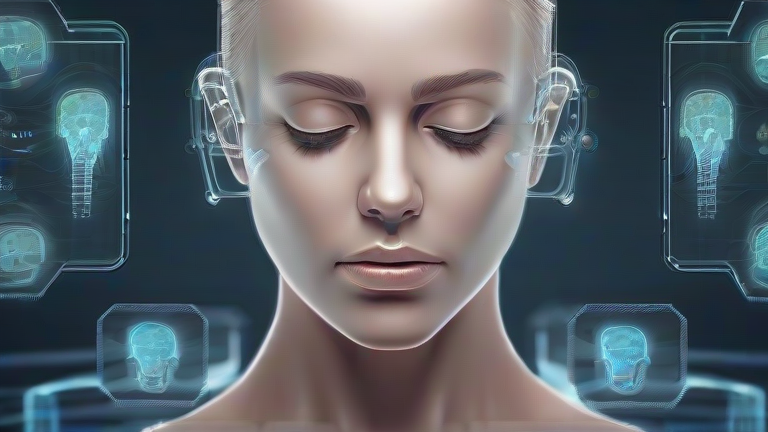
    Imagine a world where your morning routine isn’t just about caffeine and meditation, but also includes a gentle, non-invasive pulse of magnetic energy that recalibrates your mood. This is no longer the stuff of science fiction; it is the emerging reality of mainstream neurotechnology. As mental health awareness continues to dismantle stigma, innovative treatments for depression are moving from specialized clinics into the broader wellness landscape, merging seamlessly with lifestyle choices focused on personal growth and holistic well-being.

    A serene individual meditating in a modern, tech-integrated wellness center

    The trend is not merely about clinical intervention but about integrating mental health maintenance into daily life. Consider the rise of “wellness tourism.” High-end retreats in places like Sedona and Bali now offer sessions featuring Transcranial Magnetic Stimulation (TMS) and neurofeedback alongside traditional yoga and hiking. Travelers are no longer just seeking relaxation; they are seeking restoration. These destinations provide a sanctuary where the noise of the modern world is replaced by the hum of healing technology, allowing individuals to disconnect from stressors while reconnecting with their neural pathways.

    Food also plays a surprising role in this new era of neurotech. The gut-brain axis is a hot topic, and companies are now pairing probiotic supplements with digital therapeutic apps. Imagine ordering a meal rich in omega-3s and polyphenols, knowing that the accompanying app is monitoring your biometric data to suggest optimal times for mindfulness exercises. This convergence of nutrition and technology creates a feedback loop where what you eat directly influences how your brain responds to treatment, making personal growth a tangible, daily practice rather than an abstract goal.

    Culture is shifting rapidly to accommodate these advancements. The stigma surrounding brain stimulation is fading as celebrities and influencers openly discuss their experiences with devices like wearable EEG headbands that guide meditation through real-time biofeedback. This cultural normalization is crucial. When someone sees their favorite podcast host talking about how a simple headband helped them manage anxiety during a stressful project

    Related Articles

  • Digital Detox Retreats: Why They’re Surging in Popularity

    Digital Detox Retreats: Why They’re Surging in Popularity

    Digital Detox Retreats: Why They’re Surging in Popularity

    In an era defined by constant connectivity, the relentless ping of notifications and the blue light of screens have become sources of chronic stress for millions. Consequently, digital detox retreats are experiencing a remarkable surge in popularity. These specialized getaways offer a sanctuary where technology is intentionally left behind, allowing participants to reconnect with themselves, nature, and each other. This guide provides a step-by-step approach to planning and maximizing your own digital detox experience, ensuring you return to daily life refreshed and grounded.

    Step 1: Choose the Right Environment

    The first critical step is selecting a retreat that aligns with your comfort level and detox goals. Some retreats enforce a strict “no device” policy, handing over phones upon arrival for the duration of the stay. Others offer a “digital Sabbath” approach, where you only disconnect for specific hours. For beginners, a location that balances solitude with gentle community interaction is ideal. Look for retreats nestled in natural settings, such as mountains, forests, or by the ocean, as the environment plays a crucial role in lowering cortisol levels. Ensure the venue offers activities that require presence, such as yoga, hiking, or silent meditation, rather than passive entertainment.

    Step 2: Prepare Mentally and Physically

    Before you depart, it is essential to set clear intentions. Ask yourself why you are going. Is it to reduce anxiety, improve sleep, or simply find quiet? Write these goals down and keep them in a physical journal provided by the retreat. Additionally, prepare your digital life back home. Set up auto-responders for work emails, inform close family and friends of your unavailability, and arrange for any necessary pet or plant care. This logistical preparation prevents anxiety about missing out on urgent matters, allowing you to truly let go once you arrive.

    Step 3: Embrace the Boredom

    During the first 24 hours, you may experience a phenomenon known as “phantom vibration syndrome” or intense withdrawal symptoms.

    Related Articles

  • Vertical Farming: How Urban Food Production Scales Up

    Vertical Farming: How Urban Food Production Scales Up

    Vertical Farming: How Urban Food Production Scales Up

    The agricultural landscape is undergoing a radical transformation as cities grapple with climate change, supply chain vulnerabilities, and rapid urbanization. Vertical farming has emerged not merely as a niche experiment but as a critical component of the future food security infrastructure. By stacking crops in controlled indoor environments, this technology maximizes yield per square foot while minimizing water usage by up to ninety-five percent compared to traditional agriculture. This efficiency is driving significant investment and rapid expansion across global markets.

    Market data underscores this explosive growth. According to recent industry reports, the global vertical farming market is projected to reach approximately ten billion dollars by 2030, expanding at a compound annual growth rate of over twenty-five percent. Major venture capital firms are increasingly allocating funds to agtech startups, recognizing the scalability of indoor farming solutions. This financial influx is enabling companies to deploy sophisticated automation, AI-driven climate control, and robotics that significantly reduce labor costs and operational inefficiencies. The shift from small-scale pilot projects to large-scale industrial facilities marks a pivotal moment in the industry’s maturation.

    If you want to dig deeper, check out our guide on 10 Simple Lifestyle Changes to Boost Your Daily Happiness an.

    Experts emphasize that the true potential of vertical farming lies in its integration with urban ecosystems. Dr. Elena Rossi, a leading agronomist at the Institute for Sustainable Cities, notes, “Vertical farms are no longer just about growing lettuce; they are about creating resilient local food systems that reduce carbon footprints associated with transportation and spoilage.” This insight highlights a broader trend where proximity to consumers becomes a primary competitive advantage. As logistics costs rise, locally produced fresh produce offers superior quality and freshness, appealing to health-conscious consumers and high-end restaurants alike.

    Looking ahead, the industry faces challenges related to energy consumption, yet innovations in renewable energy integration and LED efficiency promise to mitigate these concerns. Predictions suggest that within the next decade, vertical farming will expand beyond leafy greens to include high-value fruits, herbs, and even protein sources like insect farming

    Related Articles

  • CRISPR Cures for Inherited Blood Disorders: Hope Arrives

    CRISPR Cures for Inherited Blood Disorders: Hope Arrives

    CRISPR Cures for Inherited Blood Disorders: Hope Arrives

    The landscape of genetic medicine has shifted dramatically with the recent regulatory approvals of CRISPR-based therapies, marking a historic milestone in the fight against inherited blood disorders. For decades, patients suffering from sickle cell disease and beta-thalassemia relied on palliative care, frequent blood transfusions, and risky bone marrow transplants. Now, the advent of precise gene-editing tools offers not just management, but potential cures. This article explores the latest developments, technical specifications, and the profound industry impact of this breakthrough.

    Latest Developments in Gene Therapy

    The most significant recent achievement is the approval of exa-cel, a CRISPR/Cas9-based therapy developed by Vertex Pharmaceuticals and CRISPR Therapeutics. This treatment, administered as a one-time infusion, targets the BCL11A gene enhancer. By disrupting this specific regulatory element, the therapy reactivates the production of fetal hemoglobin (HbF), which compensates for the defective adult hemoglobin caused by mutations in the HBB gene. Clinical trials have shown that over 90% of patients treated with exa-cel became free of severe pain crises and transfusion requirements for at least 12 months. This efficacy rate surpasses previous gene therapy attempts, establishing a new benchmark for curative intent in hematological disorders.

    If you want to dig deeper, check out our guide on Remote Work Laws Reshape Urban Real Estate.

    Technical Specifications and Mechanisms

    The technical architecture of CRISPR therapies for blood disorders involves a complex, multi-step process. First, hematopoietic stem cells (HSCs) are harvested from the patient’s bone marrow or peripheral blood via apheresis. These cells are then edited in vitro using ribonucleoprotein complexes containing the Cas9 enzyme and a guide RNA (gRNA) designed to target the BCL11A enhancer. The edited cells are expanded in bioreactors to ensure sufficient quantities for reinfusion. Before transplantation, patients undergo a myeloablative conditioning regimen, typically using busulfan, to clear out diseased bone marrow and make space for the corrected stem cells. The

    Related Articles

  • Personalized Nutrition via Gut Microbiome Data

    Personalized Nutrition via Gut Microbiome Data

    Personalized Nutrition via Gut Microbiome Data

    For decades, the dietary advice we received was remarkably uniform, often summarized by generic guidelines that failed to account for individual biological differences. The emergence of personalized nutrition via gut microbiome data represents a paradigm shift in how we approach health, moving away from one-size-fits-all diets toward highly tailored nutritional strategies. This innovative approach leverages advanced sequencing technologies to analyze the trillions of bacteria residing in your digestive tract, providing a unique biological fingerprint that influences metabolism, immune function, and even mental health.

    The core feature of this service is its comprehensive mapping capability. By collecting a simple at-home stool sample, users receive a detailed report on the diversity and abundance of their gut microbial communities. Unlike traditional blood tests that offer a snapshot of current health markers, microbiome analysis reveals the underlying ecosystem that drives long-term wellness. The platform utilizes machine learning algorithms to cross-reference your microbial profile with thousands of scientific studies, identifying specific food sensitivities, nutrient absorption efficiencies, and inflammation risks that are invisible to standard medical testing.

    When compared to generic diet apps or standard nutritional counseling, the difference is stark. Standard apps rely on self-reported data and generalized calorie counting, which often leads to frustration when results stall. In contrast, microbiome-based insights offer predictive power. For example, two individuals may eat the exact same meal, but their blood glucose responses can vary wildly based on their distinct gut flora. This service highlights such discrepancies, allowing users to optimize their intake not just for weight loss, but for energy levels, sleep quality, and immune resilience. It transforms nutrition from a guessing game into a precise science.

    Furthermore, the integration of continuous monitoring sets this solution apart. As your diet changes, so does your microbiome. The platform tracks these shifts over time, offering dynamic recommendations that evolve with your body. This longitudinal data is invaluable for understanding how lifestyle changes impact your internal ecosystem, providing a feedback loop that traditional static diets lack. While the initial cost is higher than a standard subscription, the potential reduction in healthcare costs associated with chronic diseases like diabetes and obesity makes it a compelling investment for health-conscious individuals.

    The technology behind this service is robust, ensuring data

    Related Articles

  • 10 Simple Lifestyle Hacks for a Healthier, Happier You

    10 Simple Lifestyle Hacks for a Healthier, Happier You

    10 Simple Lifestyle Hacks for a Healthier, Happier You

    In our fast-paced modern world, the pursuit of wellness often feels like a full-time job. We are bombarded with complex diets, rigid workout regimes, and endless self-help books promising transformation. However, true well-being rarely stems from drastic overhauls. Instead, it is cultivated through small, consistent, and manageable adjustments to our daily routines. These subtle shifts, often overlooked, can significantly enhance your physical health, mental clarity, and overall joy. By integrating these simple lifestyle hacks into your life, you create a sustainable foundation for long-term happiness.

    First, prioritize your sleep hygiene. Treat your bedroom as a sanctuary for rest by keeping it cool, dark, and free from electronic devices. This simple change can dramatically improve the quality of your rest, leading to better energy levels throughout the day. Second, embrace the art of mindful eating. Instead of rushing through meals while scrolling through social media, take ten minutes to truly savor each bite. Notice the textures, flavors, and aromas. This practice not only aids digestion but also fosters a deeper appreciation for the nourishment your body receives.

    If you want to dig deeper, check out our guide on Sustainable Aviation Fuel Becomes the New Standard.

    A person enjoying a healthy breakfast in a sunlit kitchen

    Third, incorporate movement into your daily life without the pressure of a gym membership. A twenty-minute walk in nature can reduce stress and boost creativity. Fourth, practice digital minimalism. Designate specific times of the day where you disconnect from screens to reconnect with yourself or loved ones. Fifth, stay hydrated. Keeping a reusable water bottle nearby ensures you drink enough water, which is essential for cognitive function and skin health. Sixth, cultivate gratitude. Each evening, write down three things you are thankful for. This simple habit rewires your brain to focus on the positive aspects of your life.

    Seventh, try the “two-minute rule.” If a task takes less than two minutes, do it immediately. This prevents clutter and mental overload. Eighth, explore local culture. Visit a new museum, try a traditional recipe, or chat

    Related Articles

  • Top 10 Tech Trends to Watch in 2026

    Top 10 Tech Trends to Watch in 2026

    Top 10 Tech Trends to Watch in 2026

    The technological landscape of 2026 is defined by rapid acceleration and deep integration. As we navigate through this pivotal year, several key trends are reshaping industries, consumer habits, and global infrastructure. From the maturation of artificial intelligence to the tangible benefits of sustainable computing, here are the top ten developments that define the current era.

    First, Generative AI has moved beyond hype into practical deployment. Large Language Models (LLMs) are now embedded in enterprise workflows, enhancing productivity by automating complex coding tasks and customer service interactions. The latest specs show a significant reduction in latency and a massive expansion in context windows, allowing for more coherent and long-term memory retention in AI assistants.

    Second, Edge Computing is gaining traction as data sovereignty becomes paramount. By processing data closer to the source, devices reduce bandwidth usage and improve response times. This is crucial for autonomous vehicles and real-time analytics, where milliseconds matter. The industry impact is a shift from centralized cloud reliance to distributed, resilient networks.

    Third, Quantum Computing is making its first commercial leaps. While still in early stages, quantum processors are solving optimization problems in logistics and pharmaceuticals that classical computers cannot handle. The recent breakthroughs in qubit stability suggest we are approaching the threshold of practical quantum advantage.

    Fourth, 6G research is officially underway. Although commercial rollout is years away, foundational work is happening now, focusing on terahertz frequencies and AI-native networks. This sets the stage for holographic communications and immersive virtual reality experiences that feel indistinguishable from reality.

    Fifth, Sustainable Tech is no longer optional. Green data centers powered by renewable energy and low-power AI chips are becoming the standard. Companies are under pressure to reduce carbon footprints, driving innovation in heat dissipation and energy-efficient architectures.

    Sixth, Spatial Computing is evolving. With advancements in mixed reality headsets, the line between digital and physical worlds is blurring. These devices offer high-resolution displays and intuitive gesture controls, transforming how we interact with digital content in professional and social settings.

    Seventh, Cybersecurity is shifting towards

    Related Articles

  • 10 Science-Backed Health Tips to Boost Energy & Vitality

    10 Science-Backed Health Tips to Boost Energy & Vitality

    # 10 Science-Backed Health Tips to Boost Energy & Vitality

    In today’s fast-paced world, chronic fatigue and low vitality have become common complaints. While coffee and sugar provide a temporary spike, they often lead to a subsequent crash that leaves you feeling more drained than before. True, sustainable energy comes from aligning your lifestyle with your body’s natural biological rhythms. Fortunately, modern science offers clear, actionable strategies to optimize your physical and mental well-being. By integrating these ten evidence-based tips into your daily routine, you can significantly enhance your energy levels and overall vitality.

    Optimize Your Sleep Architecture

    Sleep is the cornerstone of health, yet many people compromise on its quality. Research consistently shows that seven to nine hours of quality sleep is essential for cognitive function, metabolic health, and immune system strength. To improve sleep quality, maintain a consistent sleep schedule, even on weekends. Expose yourself to natural sunlight within 30 minutes of waking up to regulate your circadian rhythm, and avoid blue light from screens at least one hour before bed. A cool, dark, and quiet bedroom environment promotes deeper, more restorative sleep stages.

    If you want to dig deeper, check out our guide on How Digital Twins Are Transforming Urban Planning.

    Nourish Your Body with Whole Foods

    A colorful plate of fresh vegetables, fruits, and whole grains

    What you eat directly impacts how you feel. Diets high in processed sugars and refined carbohydrates cause rapid spikes and drops in blood sugar, leading to energy crashes. Instead, focus on a balanced diet rich in whole foods. Prioritize complex carbohydrates like oats and quinoa, lean proteins, and healthy fats found in avocados, nuts, and olive oil. These nutrients provide a steady release of energy throughout the day. Additionally, staying hydrated is crucial; even mild dehydration can impair concentration and cause feelings of fatigue. Aim to drink water consistently throughout the day rather than waiting until you are thirsty.

    Movement as Medicine

    It may seem counterintuitive to expend energy to gain

    Related Articles

  • Mental Health Apps Integrating with Clinical Care

    Mental Health Apps Integrating with Clinical Care

    Mental Health Apps Integrating with Clinical Care

    In the rapidly evolving landscape of digital health, the bridge between smartphone applications and professional therapy is becoming increasingly vital. For patients and providers alike, integrating mental health apps into clinical care plans offers a seamless way to monitor progress, enhance communication, and improve overall outcomes. However, this integration requires careful planning and a structured approach to ensure data privacy, clinical relevance, and user engagement. This guide provides a step-by-step walkthrough for effectively merging these digital tools with traditional therapeutic practices.

    Step 1: Select Approved Applications
    The first critical step is identifying applications that meet rigorous clinical standards. Not all mental health apps are created equal. Look for tools that have undergone empirical validation or hold certifications from recognized health authorities. Ensure the app complies with HIPAA regulations if you are in the United States, or GDPR standards in Europe. Prioritize apps that offer secure data encryption and clear privacy policies. Avoid apps that sell user data to third parties or lack transparency about their algorithms. Consulting with a certified digital health specialist can help you navigate this complex landscape and choose tools that align with specific therapeutic modalities, such as Cognitive Behavioral Therapy (CBT) or Dialectical Behavior Therapy (DBT).

    If you want to dig deeper, check out our guide on Top 5 Digital Trends Shaping 2024: What You Need to Know.

    Step 2: Establish Clear Communication Protocols
    Once an app is selected, define how the data collected will be shared with your clinical team. Many apps allow for data export or direct integration with Electronic Health Records (EHR). Set up these integrations before starting treatment. Decide on the frequency of data reviews—weekly, bi-weekly, or monthly. Establishing a clear protocol prevents information overload for providers and ensures that critical trends, such as spikes in anxiety or sleep disturbances, are noticed promptly. Create a shared digital dashboard where both patient and provider can view relevant metrics, fostering a collaborative environment.

    Step 3: Educate and Onboard Patients
    Technology adoption can be daunting for some users. Provide comprehensive onboarding sessions that cover how to use the app, what data is being collected, and how it benefits their treatment. Offer written

    Related Articles