Vertical Farming: How Urban Food Production Scales Up
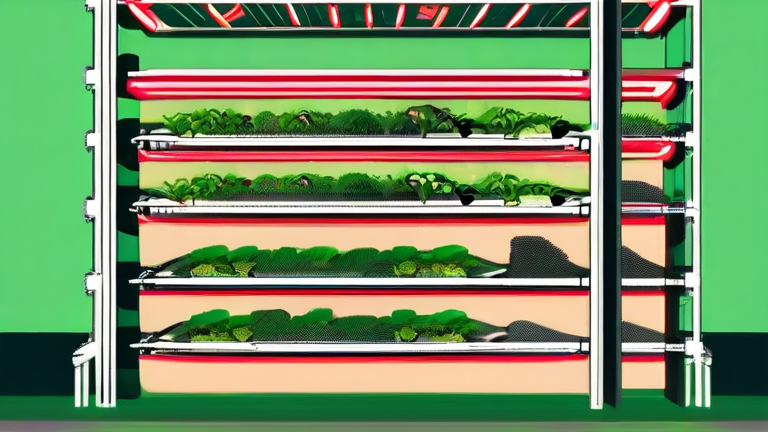
The agricultural landscape is undergoing a radical transformation as cities grapple with climate change, supply chain vulnerabilities, and rapid urbanization. Vertical farming has emerged not merely as a niche experiment but as a critical component of the future food security infrastructure. By stacking crops in controlled indoor environments, this technology maximizes yield per square foot while minimizing water usage by up to ninety-five percent compared to traditional agriculture. This efficiency is driving significant investment and rapid expansion across global markets.

Market data underscores this explosive growth. According to recent industry reports, the global vertical farming market is projected to reach approximately ten billion dollars by 2030, expanding at a compound annual growth rate of over twenty-five percent. Major venture capital firms are increasingly allocating funds to agtech startups, recognizing the scalability of indoor farming solutions. This financial influx is enabling companies to deploy sophisticated automation, AI-driven climate control, and robotics that significantly reduce labor costs and operational inefficiencies. The shift from small-scale pilot projects to large-scale industrial facilities marks a pivotal moment in the industry’s maturation.
If you want to dig deeper, check out our guide on 10 Simple Lifestyle Changes to Boost Your Daily Happiness an.
Experts emphasize that the true potential of vertical farming lies in its integration with urban ecosystems. Dr. Elena Rossi, a leading agronomist at the Institute for Sustainable Cities, notes, “Vertical farms are no longer just about growing lettuce; they are about creating resilient local food systems that reduce carbon footprints associated with transportation and spoilage.” This insight highlights a broader trend where proximity to consumers becomes a primary competitive advantage. As logistics costs rise, locally produced fresh produce offers superior quality and freshness, appealing to health-conscious consumers and high-end restaurants alike.
Looking ahead, the industry faces challenges related to energy consumption, yet innovations in renewable energy integration and LED efficiency promise to mitigate these concerns. Predictions suggest that within the next decade, vertical farming will expand beyond leafy greens to include high-value fruits, herbs, and even protein sources like insect farming
Leave a Reply