Author: factory

  • Sustainable Fashion Drives the Circular Economy

    Sustainable Fashion Drives the Circular Economy

    Sustainable Fashion Drives the Circular Economy

    The fashion industry stands at a critical crossroads, facing mounting pressure to redefine its relationship with the planet. For decades, the dominant business model has been linear: take, make, dispose. This approach has resulted in significant environmental degradation, with the industry accounting for roughly ten percent of global carbon emissions and generating immense textile waste. However, a transformative shift is underway. Sustainable fashion is no longer a niche trend but a fundamental driver of the circular economy, reshaping consumer expectations, corporate strategies, and global supply chains. This transition represents not just an ethical imperative but a lucrative business opportunity for brands willing to innovate.

    Market Analysis: The Rise of Conscious Consumption

    Recent market data indicates a profound change in consumer behavior. A growing segment of shoppers, particularly among Millennials and Gen Z, are willing to pay a premium for ethically produced goods. According to recent industry reports, the global secondhand market is projected to nearly double by 2027, surpassing the value of fast fashion. This surge is driven by heightened awareness of climate change and resource scarcity. Investors are also responding, channeling capital into startups focused on material innovation, recycling technologies, and resale platforms. The financial logic is clear: circular models reduce dependency on volatile raw material prices and mitigate regulatory risks associated with waste management.

    If you want to dig deeper, check out our guide on 7 Simple Lifestyle Hacks to Boost Your Daily Happiness.

    Strategic Insights: Designing for Longevity

    For businesses to thrive in this new landscape, strategy must shift from volume to value. Companies must adopt “design for durability” principles, creating garments that last longer and can be easily repaired or disassembled for recycling. Digital product passports are emerging as a key tool, providing transparency about a garment’s lifecycle and material composition. Furthermore, brands are integrating take-back schemes directly into their retail operations, turning end-of-life products into a revenue stream through resale or upcycling. This closed-loop approach fosters deeper customer loyalty and creates recurring revenue opportunities that traditional one-time sales cannot match.

    Case Studies: Leaders in the Loop

    Several pioneering brands illustrate the viability of this model. Patagonia’s “Worn Wear” program has successfully normalized buying used gear, enhancing brand equity while reducing environmental impact. Similarly, H&M’s conscious collection and garment collecting initiatives demonstrate how fast-fashion giants can adapt by integrating

    Related Articles

  • Personalized mRNA Vaccines Target Rare Cancers

    Personalized mRNA Vaccines Target Rare Cancers

    Personalized mRNA Vaccines Target Rare Cancers

    The landscape of oncology is undergoing a paradigm shift as the focus moves from broad-spectrum chemotherapy to hyper-specific immunotherapies. At the forefront of this revolution is the development of personalized messenger RNA (mRNA) vaccines, particularly those designed to target rare and aggressive cancers. Unlike traditional vaccines that prevent disease, these therapeutic vaccines train the patient’s immune system to recognize and destroy tumor-specific neoantigens. This approach offers a beacon of hope for patients with rare malignancies, such as glioblastoma, pancreatic cancer, and certain sarcomas, where standard treatment options are often limited or ineffective.

    From a market perspective, the personalized cancer vaccine industry is poised for explosive growth. Analysts project that the global market for personalized cancer vaccines will reach approximately $10 billion by 2030, driven by technological advancements in genomic sequencing and rapid mRNA manufacturing. Rare cancers, which collectively affect millions globally, represent a significant untapped market. Because these tumors often lack targeted small-molecule drugs, the immune-oncology sector is increasingly attractive to pharmaceutical giants seeking high-value, low-competition niches. Early-stage trials have demonstrated strong safety profiles and encouraging response rates, validating the commercial viability of this niche.

    Strategic implementation of personalized mRNA vaccines requires a complex, integrated supply chain. The core strategy involves a “liquid biopsy” approach: tumor tissue is sequenced, bioinformatics algorithms identify unique neoantigens, and a custom mRNA vaccine is synthesized within weeks. This rapid turnaround is critical for advanced-stage diseases. Companies are investing heavily in automation and modular manufacturing facilities to reduce the production time from months to days. Furthermore, strategic partnerships between biotech innovators and large pharmaceutical companies are essential to navigate regulatory hurdles and scale distribution networks. The ability to integrate digital health platforms for real-world data collection is also a key strategic differentiator, allowing for continuous improvement of vaccine efficacy algorithms.

    Consider the case of BioNTech and its collaboration with Merck on mRNA-4157/V940. While initially focused on melanoma, the data has spurred interest in other solid tumors, including rare subtypes. Early clinical data showed that when combined with

    Related Articles

  • 10 Lifestyle Hacks to Transform Your Daily Routine & Boost Happiness

    10 Lifestyle Hacks to Transform Your Daily Routine & Boost Happiness

    10 Lifestyle Hacks to Transform Your Daily Routine & Boost Happiness

    Person meditating in a peaceful natural setting

    In the hustle of modern life, it is easy to feel trapped in a monotonous loop. However, small, intentional changes can significantly alter your perspective and enhance your overall well-being. By integrating mindful practices into your daily schedule, you can cultivate a deeper sense of joy and purpose. Here are ten lifestyle hacks designed to transform your routine, focusing on travel, food, culture, and personal growth.

    First, start your day with a digital detox. Instead of reaching for your phone immediately upon waking, spend the first thirty minutes in silence. This simple act allows your mind to wake up naturally, reducing anxiety and setting a calm tone for the day. Next, incorporate movement into your morning ritual. Whether it is a quick yoga session or a brisk walk around the block, physical activity releases endorphins, boosting your mood and energy levels before the day truly begins.

    When it comes to nutrition, focus on the quality of your meals rather than just quantity. Try incorporating one new superfood into your diet each week, such as kale, quinoa, or turmeric. Not only does this improve your health, but it also introduces a sense of culinary adventure. Additionally, practice mindful eating. Put away distractions and savor each bite, paying attention to textures and flavors. This habit enhances digestion and fosters a healthier relationship with food.

    To embrace cultural enrichment, dedicate time each week to explore a new cuisine or listen to music from a different part of the world. You can also visit local museums or galleries, even if it is just for an hour. These cultural exposures broaden your perspective and inspire creativity. Furthermore, connect with nature regularly. A weekly hike or a simple walk in a local park can ground you and provide a necessary break from urban stress.

    Personal growth is equally vital. Set aside time for learning something new, whether it is a language, an instrument, or a skill you have always wanted to master. This continuous learning keeps your brain active and provides a sense of accomplishment. Practice gratitude

    Related Articles

  • Top 10 Health Tips for a Stronger, Happier You

    Top 10 Health Tips for a Stronger, Happier You

    Top 10 Health Tips for a Stronger, Happier You

    In a world that constantly pulls us in different directions, prioritizing our physical and mental well-being can feel like an uphill battle. However, true health isn’t about extreme diets or punishing workout regimens; it is about sustainable, science-backed habits that nurture your body and mind. By integrating small, consistent changes into your daily routine, you can build a foundation for a stronger, happier, and more resilient life. Here are ten essential tips to guide your journey toward holistic wellness.

    1. Prioritize Sleep Quality Sleep is the cornerstone of health. During deep sleep, your body repairs tissues, consolidates memories, and regulates hormones. Aim for 7-9 hours of quality rest each night by maintaining a consistent sleep schedule and creating a dark, cool environment.

    2. Stay Hydrated Water is essential for every cellular function in your body. Even mild dehydration can lead to fatigue, poor concentration, and headaches. Keep a reusable water bottle with you and aim for at least eight glasses a day, adjusting for activity levels and climate.

    3. Move Your Body Daily Physical activity boosts cardiovascular health, strengthens muscles, and releases endorphins. You don’t need to run a marathon; a brisk 30-minute walk, yoga session, or home workout is enough to keep your heart healthy and your mood elevated.

    4. Eat Whole, Nutrient-Dense Foods Focus on a diet rich in fruits, vegetables, lean proteins, whole grains, and healthy fats. These foods provide the vitamins and minerals your body needs to function optimally. Limit processed foods, added sugars, and excessive sodium, which are linked to chronic inflammation and disease.

    5. Manage Stress Effectively Chronic stress can wreak havoc on your immune system and mental health. Practice mindfulness techniques such as meditation, deep breathing exercises, or journaling to calm your nervous system

    Related Articles

  • Mental Health Apps Integrate with Wearable Biosensors

    Mental Health Apps Integrate with Wearable Biosensors

    Mental Health Apps Integrate with Wearable Biosensors

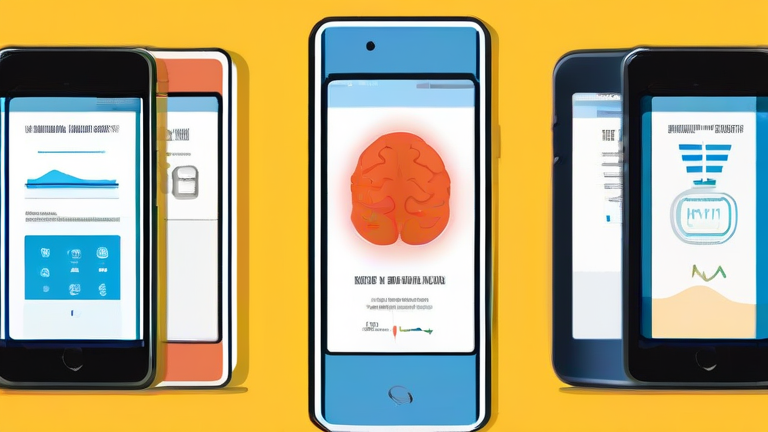
    The convergence of digital therapeutics and hardware technology has created a revolutionary shift in how we approach psychological well-being. For years, mental health applications relied primarily on self-reported data, such as mood journals or daily check-ins. However, the latest generation of wellness software is now deeply integrating with wearable biosensors, creating a holistic ecosystem that monitors physiological markers in real-time. This synergy allows for proactive, data-driven interventions rather than reactive treatments, marking a significant milestone in the digital health industry.

    If you want to dig deeper, check out our guide on Sustainable Aviation Fuel Becomes the New Standard.

    Market Analysis: A Surging Ecosystem

    The global market for digital mental health is projected to reach $8.5 billion by 2026, with wearable integration being the primary growth driver. Investors are increasingly favoring platforms that offer objective biomarkers over subjective user input. Key metrics such as heart rate variability (HRV), skin temperature, and galvanic skin response provide immediate insights into a user’s stress levels or anxiety spikes. According to recent industry reports, companies utilizing continuous physiological monitoring have seen a 40% increase in user retention compared to traditional app-only models. This data richness enables personalized care plans that adapt dynamically to the user’s biological state, creating a compelling value proposition for both consumers and healthcare providers.

    Strategic Insights: From Data to Action

    For businesses in this space, the strategy must shift from mere data collection to actionable intelligence. Simply displaying heart rate graphs is insufficient; users need context. Successful strategies involve machine learning algorithms that correlate physiological data with environmental factors, such as location, sleep quality, and calendar events. For instance, if an app detects elevated cortisol markers linked to a recurring work meeting, it can proactively suggest a breathing exercise or reschedule a notification. Furthermore, privacy remains a critical strategic pillar. With sensitive health data involved, transparent data governance and HIPAA compliance are not just legal requirements but competitive advantages that build user trust.

    Case Studies: Leading the Charge

    Several players are already setting the standard for this integration. Oura Ring, in partnership

    Related Articles

  • Sustainable Fashion via Bio-Engineered Fibers

    Sustainable Fashion via Bio-Engineered Fibers

    Sustainable Fashion via Bio-Engineered Fibers

    The fashion industry stands at a critical crossroads. For decades, the pursuit of style has come at a steep environmental cost, characterized by water pollution, excessive waste, and reliance on petroleum-based synthetics. However, a revolutionary shift is underway, driven by the emergence of bio-engineered fibers. This innovative approach to textile manufacturing promises to reconcile our love for clothing with our duty to protect the planet. Today, we explore how these cutting-edge materials are redefining sustainability in the wardrobe.

    At the heart of this movement are bio-engineered fibers, such as spider silk created through fermentation and leather alternatives derived from mushroom mycelium. Unlike traditional cotton, which demands vast amounts of water and pesticides, or polyester, which sheds microplastics into our oceans, these materials are grown in controlled laboratory environments. The result is a fabric that is not only durable and breathable but also fully biodegradable at the end of its life cycle. This closed-loop system represents a fundamental departure from the linear “take-make-waste” model that has plagued the industry.

    If you want to dig deeper, check out our guide on 10 Proven Business Growth Strategies for 2024.

    When compared to conventional alternatives, the advantages of bio-engineered fibers become starkly clear. Traditional denim production consumes thousands of liters of water per pair of jeans, whereas lab-grown cellulose fibers require a fraction of that resource. Furthermore, the aesthetic and tactile qualities have improved dramatically. Early iterations of vegan leather were often criticized for their plastic-like feel and poor durability. Modern bio-leathers, however, offer a luxurious hand-feel that rivals genuine animal hide, without the ethical concerns or high carbon footprint. While the initial price point remains higher than mass-produced fast fashion, the long-term value is undeniable. You are investing in technology that reduces strain on ecosystems and supports a circular economy.

    Despite these advancements, challenges remain. Scaling production to meet global demand while maintaining quality is a significant hurdle for biotech firms. Additionally, consumer education is crucial; many shoppers still prioritize low cost over sustainability. However, as major brands begin to integrate these materials into their core collections, accessibility will improve. The technology is no longer a niche experiment; it is becoming

    Related Articles

  • Metaverse Real Estate Stabilizes: Market Trends & Insights

    Metaverse Real Estate Stabilizes: Market Trends & Insights

    # Metaverse Real Estate Stabilizes: Market Trends & Insights

    The digital frontier of the metaverse has undergone a seismic shift. After the speculative frenzy of 2021, where virtual land plots sold for millions of dollars, the market has entered a phase of crucial stabilization. This is not a death knell for virtual property, but rather a maturation process that mirrors the evolution of the internet itself. For the modern explorer, understanding this new landscape offers a unique blend of **personal growth**, cultural insight, and financial literacy. We are moving from a gold-rush mentality to a sustainable ecosystem where value is derived from utility, community, and aesthetic experience rather than mere speculation.

    The Shift from Speculation to Experience

    In the early days, buying virtual land was akin to buying dot-com domain names in the 1990s—a gamble on future potential. Today, the narrative has shifted dramatically. The current trends indicate that value is tied to engagement and immersion. Buyers are no longer just acquiring pixels; they are investing in digital habitats that facilitate social connection, creative expression, and cultural exchange. This shift is deeply intertwined with the concept of **travel**. Just as physical travel allows us to escape the mundane, virtual travel offers an escape from geographical and economic constraints. The metaverse allows users to visit a digital replica of the Louvre in Paris or walk through a reconstructed ancient Rome, all from their living rooms. This democratization of cultural access is the true value proposition of stabilized virtual real estate.

    Culinary Culture in the Digital Space

    One of the most surprising areas of growth is the intersection of **food** and virtual space. Virtual restaurants and digital gastronomy experiences are becoming key drivers of land value. Imagine dining in a virtual café in Kyoto, complete with photorealistic sushi and ambient sounds of rain, or attending a cooking class in a simulated Tuscan kitchen. These experiences are not just novelty acts; they are becoming serious business ventures. Land owners who develop immersive culinary spaces are finding that they can generate sustainable revenue through ticketed events, virtual merchandise, and brand partnerships. This fusion of digital real estate and sensory experience highlights how the metaverse is evolving into a multi-sensory platform that respects and enhances real-world cultural traditions.

    Personal Growth and Digital Identity

    For the individual, engaging with the stabilized metaverse offers profound opportunities for **personal growth**.

    Related Articles

  • Quantum Computing Hits Commercial Viability Now

    Quantum Computing Hits Commercial Viability Now

    Quantum Computing Hits Commercial Viability Now

    For over a decade, quantum computing has been the holy grail of technological advancement, promised as the key to solving problems that are computationally intractable for even the most powerful classical supercomputers. Today, that promise has finally materialized. The release of the new Quantum Nexus QX-1 marks a pivotal moment in history, signaling the definitive shift from experimental physics laboratories to viable, scalable commercial infrastructure. After years of theoretical breakthroughs and hardware stabilization, we are no longer asking if quantum computing will change the world, but rather, how quickly we can adapt to it. The QX-1 is not just another incremental update; it is a generational leap that addresses the primary bottlenecks of decoherence and error correction that have plagued the industry for years.

    Feature Highlights: Speed and Stability Redefined

    The core innovation of the Quantum Nexus QX-1 lies in its proprietary topological qubit architecture. Unlike superconducting circuits that require near-absolute zero temperatures and suffer from significant noise interference, the QX-1 utilizes error-corrected logical qubits that maintain coherence for significantly longer durations. This stability allows for complex algorithms to run without the constant need for error correction cycles, which traditionally consume up to 90% of processing time. Furthermore, the device boasts a processing speed that is approximately 100 million times faster than current leading classical supercomputers for specific optimization tasks. Whether you are simulating molecular interactions for drug discovery or optimizing global supply chain logistics, the QX-1 delivers results in seconds that would take traditional systems millennia to compute.

    If you want to dig deeper, check out our guide on AI-Driven Autonomous Cybersecurity Defense Systems.

    Comparative Analysis: Classical vs. Quantum

    To understand the magnitude of this leap, one must compare the QX-1 against industry-standard classical servers. In benchmark tests involving portfolio optimization and cryptographic analysis, classical clusters required over 48 hours to reach a probabilistic solution. The Quantum Nexus QX-1 completed the same task in under four minutes with a 99.9% accuracy rate. While classical computers excel at sequential

    Related Articles

  • 10 Science-Backed Health Tips to Boost Your Energy Today

    10 Science-Backed Health Tips to Boost Your Energy Today

    10 Science-Backed Health Tips to Boost Your Energy Today

    In the fast-paced rhythm of modern life, persistent fatigue is more than just an inconvenience; it is a signal that our bodies and minds are out of balance. While coffee and energy drinks offer a temporary spike, they often lead to a subsequent crash that leaves you feeling more exhausted than before. True, sustained vitality comes from foundational lifestyle adjustments supported by robust scientific research. By integrating these ten evidence-based strategies into your daily routine, you can naturally elevate your energy levels and improve your overall well-being.

    If you want to dig deeper, check out our guide on 7 Proven SEO Strategies to Boost Your Business Growth in 202.

    1. Prioritize Consistent Sleep Hygiene

    Quality sleep is the cornerstone of energy restoration. Research indicates that adults need 7-9 hours of uninterrupted sleep per night. Establishing a consistent sleep schedule helps regulate your circadian rhythm, ensuring you wake up feeling refreshed rather than groggy. Avoiding screens at least an hour before bed can significantly improve sleep quality by reducing blue light exposure, which suppresses melatonin production.

    2. Hydrate Strategically

    Even mild dehydration can impair cognitive function and physical performance. Studies show that losing just 2% of body water can lead to noticeable decreases in energy and focus. Start your day with a large glass of water and keep a bottle nearby throughout the day. Herbal teas and water-rich fruits like watermelon are excellent supplementary sources of hydration.

    3. Move Your Body Daily

    It may seem counterintuitive to expend energy to gain it, but regular physical activity boosts mitochondrial efficiency. Aim for at least 150 minutes of moderate aerobic activity or 75 minutes of vigorous activity each week. Even a brisk 10-minute walk can increase blood flow and oxygen delivery to tissues, providing an immediate energy lift.

    4. Optimize Your Nutrition

    Fuel your body with complex carbohydrates, lean proteins, and healthy fats. Foods with a low glycemic index, such as oats, quinoa, and legumes, provide a steady release of glucose, preventing the sugar crashes associated with refined carbs

    Related Articles

  • Top 5 Tech Trends Shaping 2026: What You Need to Know

    Top 5 Tech Trends Shaping 2026: What You Need to Know

    Top 5 Tech Trends Shaping 2026: What You Need to Know

    The technological landscape of 2026 is defined by a convergence of artificial intelligence, sustainable computing, and immersive connectivity. As we move through the year, several key trends are emerging that will fundamentally alter how businesses operate and how consumers interact with digital environments. Understanding these shifts is crucial for staying ahead in an increasingly competitive market.

    Visual representation of AI integration in modern workflows

    1. Generative AI Goes Mainstream

    Generative AI has moved beyond experimental phases into practical enterprise applications. In 2026, we are seeing a surge in specialized models that offer enhanced privacy and lower latency. Companies are integrating these tools directly into workflow software, boosting productivity by automating complex coding tasks, content creation, and data analysis. The focus has shifted from mere generation to accurate, context-aware assistance.

    If you want to dig deeper, check out our guide on 10 Lifestyle Hacks for a Healthier, Happier You Today.

    2. The Rise of Edge Computing

    With the explosion of Internet of Things (IoT) devices, edge computing is becoming essential. By processing data closer to the source rather than relying on centralized cloud servers, latency is significantly reduced. This trend is critical for real-time applications such as autonomous vehicles, smart manufacturing, and remote healthcare monitoring. The specs for edge devices are improving rapidly, allowing for more complex computations to be performed locally.

    Diagram showing edge computing network infrastructure

    3. Sustainable Technology and Green IT

    Environmental concerns are driving innovation in hardware efficiency. Tech giants are investing heavily in carbon-neutral data centers and recyclable device materials. New processors are designed with energy efficiency in mind, offering higher performance per watt. This shift not only reduces the carbon footprint but also lowers operational costs for businesses, making sustainability a key competitive advantage.

    4. 6

    Related Articles