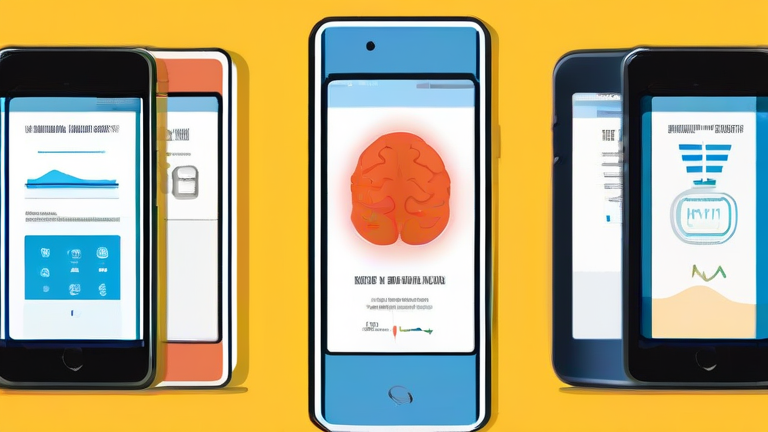
Mental Health Apps Integrate with Wearable Biosensors
The convergence of digital therapeutics and hardware technology has created a revolutionary shift in how we approach psychological well-being. For years, mental health applications relied primarily on self-reported data, such as mood journals or daily check-ins. However, the latest generation of wellness software is now deeply integrating with wearable biosensors, creating a holistic ecosystem that monitors physiological markers in real-time. This synergy allows for proactive, data-driven interventions rather than reactive treatments, marking a significant milestone in the digital health industry.

If you want to dig deeper, check out our guide on Sustainable Aviation Fuel Becomes the New Standard.
Market Analysis: A Surging Ecosystem
The global market for digital mental health is projected to reach $8.5 billion by 2026, with wearable integration being the primary growth driver. Investors are increasingly favoring platforms that offer objective biomarkers over subjective user input. Key metrics such as heart rate variability (HRV), skin temperature, and galvanic skin response provide immediate insights into a user’s stress levels or anxiety spikes. According to recent industry reports, companies utilizing continuous physiological monitoring have seen a 40% increase in user retention compared to traditional app-only models. This data richness enables personalized care plans that adapt dynamically to the user’s biological state, creating a compelling value proposition for both consumers and healthcare providers.
Strategic Insights: From Data to Action
For businesses in this space, the strategy must shift from mere data collection to actionable intelligence. Simply displaying heart rate graphs is insufficient; users need context. Successful strategies involve machine learning algorithms that correlate physiological data with environmental factors, such as location, sleep quality, and calendar events. For instance, if an app detects elevated cortisol markers linked to a recurring work meeting, it can proactively suggest a breathing exercise or reschedule a notification. Furthermore, privacy remains a critical strategic pillar. With sensitive health data involved, transparent data governance and HIPAA compliance are not just legal requirements but competitive advantages that build user trust.
Case Studies: Leading the Charge
Several players are already setting the standard for this integration. Oura Ring, in partnership
Leave a Reply