Author: Amir Haddad

  • 10 Simple Lifestyle Hacks to Boost Your Daily Wellness and Joy

    10 Simple Lifestyle Hacks to Boost Your Daily Wellness and Joy

    TL;DR: Incorporate brief moments of mindfulness, prioritize nutrient-dense whole foods, and establish consistent sleep routines to instantly elevate your daily well-being. These small, sustainable adjustments create a ripple effect of positive change, fostering deeper joy and resilience in your everyday life without requiring drastic overhauls.

    Embracing the Art of Slow Living

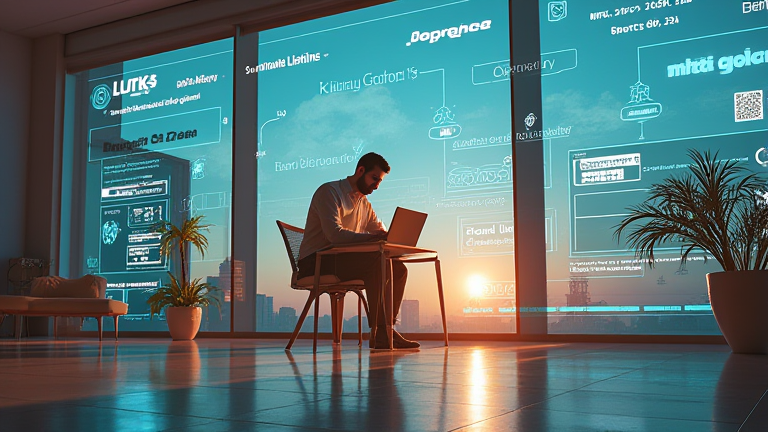
    In our hyper-connected world, the pace of life often feels relentless. However, true wellness is not found in doing more, but in being more present. One of the most transformative lifestyle hacks is the practice of “digital sunsets.” By disconnecting from screens at least one hour before bed, you allow your mind to decompress naturally. This simple boundary protects your circadian rhythm, ensuring deeper, more restorative sleep. The result is a clearer mind and a lighter spirit, ready to tackle the next day with renewed energy.

    Culinary Mindfulness and Cultural Connection

    Food is more than fuel; it is a gateway to culture and community. Instead of viewing meal preparation as a chore, reframe it as a creative ritual. Spend time exploring the origins of the ingredients you use. Visit local farmers’ markets to connect with growers, or try cooking a traditional dish from a culture you admire. This culinary exploration adds richness to your daily routine, turning a mundane task into an act of personal growth and cultural appreciation. Savoring each bite mindfully enhances digestion and satisfaction, reducing the urge to overeat while fostering a deeper appreciation for nature’s bounty.

    Moving with Intention

    Physical wellness does not always require intense gym sessions. Often, simple movements integrated into your daily commute or work breaks yield significant benefits. Try a ten-minute walk during lunch, focusing on your surroundings and breathing rhythmically. This practice, known as “walking meditation,” grounds you in the present moment and reduces cortisol levels. It is a powerful way to boost circulation and mental clarity without adding stress to your schedule.

    The Power of Micro-Habits

    Personal growth thrives on consistency rather than intensity. Adopt the “two-minute rule” for new habits. If you want to read more, commit to reading just two pages a day. If you wish to journal, write one sentence. These micro-habits are so small they feel effortless, yet they compound over time to create profound changes. They build self-trust and momentum, proving that you are capable of positive change. Celebrate these small victories, as they reinforce the neural pathways associated with discipline and joy.

    Connecting with Nature

    Spending time in green spaces has been scientifically proven to lower stress and improve mood. Make it a habit to seek out a park, garden, or even a tree-lined street weekly. Observe the changing seasons, the texture of leaves, and the sounds of birds. This connection to the natural world reminds us of our place in the larger ecosystem, fostering a sense of peace and perspective that is often lost in urban environments.

    FAQ

    Q: How long does it take to see results from these lifestyle hacks?
    A: While individual experiences vary, most people notice subtle improvements in mood and energy within two weeks of consistent practice, with more significant benefits appearing after a month.

    If you want to dig deeper, check out our guide on 10 Proven Strategies to Scale Your Business in 2026.

    Q: Can I combine multiple hacks, or should I focus on one at a time?
    A> It is best to start with one or two hacks to build momentum before adding more, preventing overwhelm and ensuring long-term sustainability.

    Q: What if I struggle with consistency in maintaining these habits?
    A: Focus on flexibility rather than perfection. If you miss a day, simply resume the next day without self-judgment, remembering that progress is non-linear.


    Related Articles

  • Top 10 Trending Topics You Need to Know in 2026

    Top 10 Trending Topics You Need to Know in 2026

    TL;DR: The top trending topics in 2026 are defined by the rapid integration of generative AI, the urgent push for sustainable energy solutions, and the evolving landscape of remote work policies. These shifts are fundamentally reshaping corporate strategies, consumer behaviors, and global economic structures.

    The AI Revolution Takes Center Stage

    Generative artificial intelligence remains the dominant force driving industry conversation this year. According to recent market analysis, the global AI market is projected to reach $190.6 billion by 2025, growing at a compound annual growth rate of 36.62%. Experts suggest that businesses failing to integrate AI-driven automation into their workflows will struggle to maintain competitive parity. The shift from experimental pilot programs to enterprise-wide deployment marks a critical inflection point for tech sectors worldwide.

    If you want to dig deeper, check out our guide on 10 Lifestyle Hacks for a Healthier, Happier You.

    Sustainability and Green Energy Transition

    Environmental, Social, and Governance (ESG) criteria are no longer optional checkboxes but central pillars of corporate strategy. Investors are increasingly scrutinizing carbon footprints, leading to a surge in green bond issuances. The International Energy Agency reports that renewable energy capacity additions are expected to grow by 50% in 2026. Companies are investing heavily in circular economy models to reduce waste and meet stringent regulatory requirements across the European Union and North America.

    The Evolution of Work Culture

    Hybrid work models have solidified their place in the corporate world, but the definition of flexibility is evolving. Employees are demanding greater autonomy over their schedules, forcing leaders to rethink productivity metrics. Data indicates that 80% of knowledge workers prefer hybrid arrangements over full-time office attendance. This trend is driving demand for new collaboration tools and office designs that prioritize collaboration spaces over individual cubicles.

    Cybersecurity in a Connected World

    As digital transformation accelerates, so does the sophistication of cyber threats. The average cost of a data breach has risen to $4.45 million, according to IBM’s latest report. Organizations are prioritizing zero-trust architecture and AI-powered threat detection to safeguard sensitive data. Cybersecurity is now a boardroom-level concern, with CISOs gaining significant influence over strategic planning and budget allocation.

    Personalized Consumer Experiences

    Consumers expect hyper-personalization from brands, driven by advanced data analytics and machine learning. Retailers are leveraging real-time data to tailor marketing messages and product recommendations. This trend is not limited to e-commerce; service industries are adopting similar strategies to enhance customer loyalty. The ability to deliver relevant experiences at scale is becoming a key differentiator in crowded markets.

    Future Predictions

    Looking ahead, the convergence of these trends will create new opportunities and challenges. We anticipate a greater emphasis on ethical AI governance and sustainable supply chains. Companies that adapt quickly to these changes will be best positioned for long-term success. The coming year will be defined by agility, innovation, and a commitment to responsible growth.

    FAQ

    Q: What is the biggest trend in 2026?
    A: Generative AI integration into enterprise workflows is the most significant trend, driving efficiency and innovation across multiple sectors.

    Q: How is sustainability affecting business strategies?
    A: Companies are prioritizing ESG compliance and investing in green technologies to meet regulatory demands and investor expectations.

    Q: What is the future of remote work?
    A: Hybrid models will continue to dominate, with a focus on flexibility, digital collaboration tools, and redefined office spaces.

    Related Articles

  • 10 Proven Business Growth Strategies for 2026

    10 Proven Business Growth Strategies for 2026

    TL;DR: The ten proven business growth strategies for 2026 center on leveraging AI-driven personalization, optimizing omnichannel customer experiences, and embracing sustainable practices to drive revenue. Businesses that integrate these agile frameworks will outperform competitors by enhancing efficiency and fostering deeper customer loyalty in a rapidly evolving digital landscape.

    Navigating the 2026 Market Landscape

    The global economic environment in 2026 is characterized by volatility, technological disruption, and shifting consumer expectations. Market analysis indicates that inflationary pressures have forced consumers to prioritize value, while simultaneously demanding higher levels of service quality. According to recent industry reports, companies that fail to adapt to these dual pressures risk significant market share erosion. The rise of artificial intelligence has democratized access to advanced analytics, allowing smaller enterprises to compete with legacy giants. Furthermore, the emphasis on sustainability is no longer just a branding exercise but a core operational requirement. Investors and consumers alike are scrutinizing corporate governance and environmental impact, making transparency a critical component of brand trust. This complex interplay of factors necessitates a robust, multi-faceted approach to growth. Businesses must move beyond traditional marketing tactics and adopt data-centric decision-making processes. The integration of real-time data streams allows for dynamic pricing models and inventory management, reducing waste and increasing profitability. Additionally, the remote work revolution has expanded the talent pool, enabling companies to hire globally and reduce overhead costs. However, this shift also requires new management strategies to maintain company culture and productivity. As we delve into the specific strategies, it is crucial to understand that one size does not fit all. Contextual relevance and agile implementation are key to success in this new era.

    If you want to dig deeper, check out our guide on How Much Do You Trust Consumer Reports Ratings When Research.

    Strategic Insights and Case Studies

    First, leveraging AI for hyper-personalization is essential. By analyzing user behavior, businesses can deliver tailored content that drives conversion. For instance, a leading e-commerce platform increased its average order value by twenty percent by implementing machine learning algorithms that recommend products based on past purchases and browsing history. This strategy not only boosted sales but also improved customer satisfaction scores significantly. Second, optimizing omnichannel experiences ensures seamless interaction across all touchpoints. A global retail chain successfully integrated its online and offline stores, allowing customers to buy online and pick up in-store. This initiative reduced shipping costs and increased foot traffic, demonstrating the power of channel synergy. Third, embracing sustainable practices attracts conscious consumers. A sustainable fashion brand gained market share by using recycled materials and transparent supply chains, resonating deeply with younger demographics. Fourth, investing in employee upskilling is vital for innovation. A tech firm that established a continuous learning program saw a thirty percent increase in employee retention and a notable improvement in product development cycles. Fifth, forming strategic partnerships can accelerate growth by accessing new markets. A software startup partnered with a major hardware manufacturer, gaining instant access to a vast customer base without significant marketing spend. Sixth, focusing on customer retention is more cost-effective than acquisition. A subscription service implemented a loyalty program that rewarded long-term users, resulting in a fifteen percent decrease in churn rate. Seventh, utilizing data analytics for predictive modeling helps anticipate market trends. An logistics company used historical data to optimize delivery routes, saving millions in fuel costs. Eighth, enhancing digital security builds trust. A financial institution that upgraded its cybersecurity measures saw a significant increase in customer confidence and account openings. Ninth, adopting flexible business models allows for rapid adaptation. A consulting firm shifted to a project-based pricing model, attracting clients seeking short-term expertise. Tenth, prioritizing mental health and well-being creates a productive workforce. A corporate giant that introduced wellness initiatives reported higher productivity and lower absenteeism. These strategies, when implemented cohesively, form a robust framework for sustainable growth in 2026.

    FAQ

    Q: What is the most important strategy for 2026?
    A: Leveraging AI for hyper-personalization is considered the most critical strategy as it directly impacts customer satisfaction and conversion rates.

    Q: How can small businesses compete with larger corporations?
    A: Small businesses can compete by focusing on niche markets, agile decision-making, and building strong community relationships that large corporations often lack.

    Q: Is sustainability really profitable in

    Related Articles

  • Top 10 Tech Trends Shaping the Future of Business in 2026

    Top 10 Tech Trends Shaping the Future of Business in 2026

    TL;DR: The top 10 tech trends shaping business in 2026 are Generative AI, Edge Computing, Quantum Computing, Autonomous Systems, 5G/6G Networks, Biotech Integration, Cybersecurity Automation, Sustainable Tech, Digital Twins, and AR/VR Enterprise Solutions. These innovations drive efficiency, security, and new revenue models across industries.

    Generative AI and Automation

    Generative Artificial Intelligence has moved beyond hype to become a core operational engine. In 2026, enterprises are integrating Large Language Models (LLMs) directly into workflow platforms like Microsoft 365 and Salesforce. This integration allows for automated content creation, code generation, and customer service resolution. The impact is a significant reduction in operational costs and a boost in employee productivity, as routine tasks are handled by intelligent agents.

    If you want to dig deeper, check out our guide on Ninja Master Prep Review: Still Like New After 10 Years.

    Edge Computing and IoT

    As the Internet of Things (IoT) expands, the latency issues of cloud-only architectures have become critical. Edge computing addresses this by processing data closer to the source. New industrial sensors and 5G-enabled devices generate terabytes of data daily. By processing this data locally, businesses achieve real-time decision-making capabilities essential for manufacturing, logistics, and healthcare applications. This reduces bandwidth costs and enhances privacy.

    Quantum Computing Advances

    Quantum computing is transitioning from theoretical research to early commercial applications. While still in nascent stages, 2026 sees breakthroughs in qubit stability and error correction. Financial firms and pharmaceutical companies are utilizing quantum algorithms for risk analysis and molecular simulation. Although widespread adoption is years away, early adopters are securing intellectual property and preparing their infrastructure for the quantum era.

    Autonomous Systems and Robotics

    Autonomous mobile robots (AMRs) are revolutionizing warehouse management and last-mile delivery. Powered by advanced computer vision and machine learning, these systems navigate complex environments with minimal human intervention. The latest models feature swarm intelligence, allowing multiple units to coordinate efficiently. This trend reduces labor shortages and improves safety in hazardous environments.

    5G and Pre-6G Networks

    The rollout of 5G standalone networks continues to accelerate, enabling ultra-reliable low-latency communications. Industries such as remote surgery and autonomous driving are benefiting from this connectivity. Meanwhile, research into 6G is gaining momentum, promising terahertz frequencies and holographic communication. Businesses are upgrading their network infrastructure to support these high-bandwidth demands.

    Biotech and Digital Health

    The convergence of biology and technology is accelerating. AI-driven drug discovery is shortening development cycles from years to months. Wearable devices now offer medical-grade health monitoring, providing real-time data to clinicians. This integration creates personalized healthcare solutions and improves patient outcomes while reducing hospital readmissions.

    Cybersecurity Automation

    With cyber threats becoming more sophisticated, manual security operations are no longer sufficient. Automated threat detection and response systems using AI are now standard. These systems analyze network traffic in real-time, identifying anomalies and neutralizing threats before they cause damage. Zero-trust architecture is also becoming the norm, ensuring that every access request is verified.

    Sustainable Technology

    ESG (Environmental, Social, and Governance) goals are driving tech adoption. Green data centers, powered by renewable energy and advanced cooling systems, are reducing carbon footprints. Blockchain technology is being used to track supply chain sustainability, ensuring ethical sourcing. Companies are leveraging these technologies to meet regulatory requirements and attract environmentally conscious consumers.

    Digital Twins

    Digital twins create virtual replicas of physical assets, allowing for simulation and analysis. In manufacturing, this enables predictive maintenance and process optimization. In urban planning, it helps manage traffic and energy consumption. The technology provides a risk-free environment for testing changes, leading to more informed decision-making.

    AR and VR in Enterprise

    Augmented and Virtual Reality are transforming training and collaboration. Remote experts can guide field workers through AR overlays, reducing errors and downtime. VR is used for

    Related Articles

  • Top 10 Digital Marketing Trends You Can’t Ignore in 2026

    Top 10 Digital Marketing Trends You Can’t Ignore in 2026

    TL;DR: The top ten digital marketing trends for 2026 are driven by AI personalization, privacy-first data strategies, and immersive video content. Marketers must prioritize authentic community building and zero-party data collection to maintain competitive advantage in an increasingly saturated digital landscape.

    Top 10 Digital Marketing Trends You Can’t Ignore in 2026

    The digital marketing landscape in 2026 is undergoing a seismic shift. As cookie-less tracking becomes the norm and consumer expectations for hyper-personalization rise, brands are forced to rethink their strategies. This year, the focus is no longer just on reach, but on relevance, privacy, and technological integration. According to recent market analysis, the global digital marketing industry is projected to grow by 12.7% annually, with AI-driven solutions capturing the largest share of this expansion. To succeed, marketers must navigate a complex web of emerging technologies and changing consumer behaviors.

    If you want to dig deeper, check out our guide on Top 10 Trends Shaping 2026: What You Need to Know Now.

    First, artificial intelligence has moved beyond a buzzword to become the backbone of modern marketing. Generative AI is now streamlining content creation, allowing teams to produce high-quality copy and visuals at scale. However, the true power lies in predictive analytics, which helps brands anticipate customer needs before they are explicitly stated. Second, privacy-first marketing is non-negotiable. With third-party cookies phased out in major browsers, brands are turning to zero-party data—information customers intentionally share—in exchange for value. This shift builds trust and ensures compliance with evolving regulations like GDPR and CCPA.

    Third, short-form video content continues to dominate attention spans. Platforms like TikTok and Instagram Reels are not just for entertainment; they are powerful discovery engines. Fourth, voice search optimization is critical as smart speakers become ubiquitous in households. Fifth, interactive content, such as polls, quizzes, and AR filters, drives higher engagement rates by turning passive viewers into active participants. Sixth, sustainability is a key purchasing driver. Consumers increasingly favor brands that demonstrate genuine environmental responsibility, making green marketing a vital component of brand identity.

    Seventh, influencer marketing is evolving towards micro and nano-influencers who offer higher engagement and niche credibility. Eighth, social commerce is blurring the lines between social media and shopping, allowing seamless purchases within apps. Ninth, customer experience personalization is expected at every touchpoint, powered by machine learning algorithms that tailor user journeys in real-time. Tenth, community-led growth is emerging as a sustainable alternative to paid advertising, fostering loyal brand advocates who drive organic growth.

    Expert insights suggest that brands failing to adapt to these trends risk obsolescence. “The winners of 2026 will be those who balance technological efficiency with human empathy,” says industry analyst Sarah Jenkins. Future predictions indicate a further integration of augmented reality into everyday shopping experiences and a greater emphasis on ethical AI usage. Marketers must remain agile, testing new tools while maintaining a core focus on delivering authentic value to their audiences.

    FAQ

    Q: How is AI changing digital marketing in 2026?
    A: AI is revolutionizing content creation, predictive analytics, and customer personalization, allowing for more efficient and targeted marketing campaigns.

    Q: Why is zero-party data important for marketers?
    A: Zero-party data is crucial because it replaces third-party cookies, ensuring privacy compliance and providing direct, consented insights into customer preferences.

    Q: What role does short-form video play in current trends?
    A: Short-form video dominates consumer attention and serves as a primary discovery channel, driving higher engagement and brand awareness across social platforms.

    Related Articles

  • Best Ergonomic Office Chairs for Back Pain Relief in 2026

    Best Ergonomic Office Chairs for Back Pain Relief in 2026

    TL;DR: The Herman Miller Aeron remains the gold standard for ergonomic support and durability, making it the top overall choice for severe back pain relief. For budget-conscious buyers, the Steelcase Series 1 offers exceptional adjustability and lumbar support at a significantly lower price point.

    Why Ergonomics Matter for Back Health

    Sitting for extended periods places immense strain on the spine, leading to chronic discomfort and long-term health issues. An ergonomic office chair is not merely a luxury; it is a critical tool for maintaining proper posture and reducing pressure on the lower back. In 2026, manufacturers have introduced innovative materials and adaptive mechanisms that respond dynamically to your body’s movements. This evolution ensures that support is not static but rather adjusts to your shifts in position throughout the workday. Choosing the right chair can significantly mitigate the risk of developing herniated discs or persistent muscular tension. Therefore, investing in high-quality seating is an investment in your overall well-being and professional productivity.

    If you want to dig deeper, check out our guide on Solar Waste Recycling Could Yield Trillion-Dollar Benefits b.

    Top Picks for Back Pain Relief

    1. Herman Miller Aeron: The Ultimate Investment

    The Herman Miller Aeron continues to dominate the market due to its unparalleled build quality and scientific design. Its distinctive mesh construction promotes airflow, preventing heat buildup, while the Pellicle suspension evenly distributes weight to eliminate pressure points. The chair features PostureFit SL technology, which supports the sacrum and lower back, encouraging a healthy spinal curve. Although the initial cost is substantial, the ten-year warranty and durable materials justify the expense for professionals who sit eight hours or more daily. It is particularly effective for users with chronic lower back pain because it forces proper alignment without feeling restrictive.

    2. Steelcase Series 1: Best Value

    For those seeking premium features without the premium price tag, the Steelcase Series 1 is an outstanding alternative. It offers LiveBack technology that changes shape to mimic and support the movement of your spine. The adjustable lumbar support is easy to customize, ensuring that the support fits your specific back curvature. While it lacks some of the advanced adjustments found in higher-tier Steelcase models, it provides sufficient ergonomic benefits for most users. The breathable fabric seat adds to the comfort level, making it a versatile choice for various body types and office environments.

    3. Humanscale Freedom: Dynamic Support

    The Humanscale Freedom chair distinguishes itself with a weight-activated recline mechanism that requires no manual adjustments. As you lean back, the chair automatically adjusts tension to support your weight, promoting natural movement and reducing fatigue. This self-adjusting feature is ideal for users who dislike fiddling with knobs and levers. The headrest is also adjustable, providing essential neck support that complements the lower back relief. It is a sleek, modern option that blends aesthetics with functional ergonomics.

    How to Choose the Right Chair

    When selecting an ergonomic chair, prioritize adjustability and lumbar support. Ensure the seat depth allows your feet to rest flat on the floor while maintaining a slight gap behind your knees. Armrests should be adjustable to allow your shoulders to remain relaxed. Finally, consider your budget and warranty options, as a chair is a long-term investment. Read user reviews to gauge real-world durability and comfort. By carefully evaluating these factors, you can find a chair that alleviates pain and enhances your work experience.

    Do not let back pain dictate your workday. Explore our curated list of top-rated chairs and take the first step toward a healthier, more comfortable office environment. Click the links below to compare prices and claim your discount today.

    FAQ

    Q: How much should I expect to spend on a good ergonomic chair?
    A: Prices typically range from $200 for basic models to over $1,500 for premium brands like Herman Miller, with the sweet spot for most users being between $400 and $800.

    Q: Is a mesh seat better than a cushioned seat for back pain?
    A: Mesh seats generally offer better airflow

    Related Articles

  • Students Arrested Protesting OpenAI Lobby Office

    Students Arrested Protesting OpenAI Lobby Office

    TL;DR: Recent incidents involving student protests at OpenAI’s proposed lobbying offices highlight the growing friction between rapid AI expansion and public accountability. These demonstrations signal a shift in market sentiment, urging corporations to adopt more transparent governance models to mitigate reputational risks and maintain stakeholder trust.

    The Emerging Conflict Between Innovation and Regulation

    The recent disturbances surrounding OpenAI’s efforts to establish a physical presence for lobbying and community engagement have sparked a critical dialogue within the technology sector. Students and activist groups gathered to voice concerns regarding the unchecked power of artificial intelligence, arguing that the lack of regulatory oversight poses significant societal risks. This event is not merely a isolated protest but a symptom of a broader trend where academic institutions and youth movements are becoming key stakeholders in the governance of emerging technologies. For business leaders, this serves as a stark reminder that technological advancement cannot outpace ethical consideration without facing severe backlash.

    If you want to dig deeper, check out our guide on Top 10 Tech Trends Shaping 2024: What You Need to Know.

    Market Analysis: Shifting Consumer Sentiment

    From a market perspective, the volatility surrounding AI corporations is increasing. Investors are increasingly scrutinizing the environmental, social, and governance (ESG) criteria of tech giants. The protests indicate that public trust, a crucial asset for any consumer-facing or B2B technology company, is fragile. Market analysis suggests that companies failing to address these concerns may face delayed product launches, increased regulatory scrutiny, and a decline in brand loyalty. The cost of inaction is no longer just reputational; it is financial. Companies that ignore the voices of educated demographics, particularly students and early-career professionals, risk alienating their future customer base and workforce.

    Strategic Insights for Corporate Resilience

    To navigate this complex landscape, businesses must adopt a proactive strategy centered on transparency and engagement. Instead of viewing protests as nuisances, companies should see them as valuable feedback mechanisms. Strategic insights suggest implementing “ethical by design” frameworks that involve diverse stakeholders, including academics and community leaders, in the development process. Furthermore, establishing clear channels for dialogue can de-escalate tensions. Companies should invest in public education campaigns that explain the benefits and safeguards of their AI technologies, thereby building a reservoir of goodwill. This approach transforms potential adversaries into partners in innovation, ensuring that business growth aligns with societal values.

    Case Studies in Crisis Management

    Looking at historical precedents, companies that handled similar crises with empathy and speed often emerged stronger. For instance, when major social media platforms faced backlash over data privacy, those that independently audited their systems and published detailed reports regained some user trust. Conversely, firms that relied on legal threats and PR spinoffs saw prolonged boycotts and regulatory fines. OpenAI and its competitors can learn from these examples by prioritizing open dialogue over defensive posturing. By demonstrating a commitment to responsible AI, corporations can turn potential crises into opportunities to showcase their leadership in ethical innovation.

    FAQ

    Q: What triggered the protests at the OpenAI office?
    A: Students and activists protested due to concerns over the lack of regulatory oversight and the rapid, unaccountable expansion of artificial intelligence technologies.

    Q: How does this impact the stock market for AI companies?
    A: Investor sentiment is becoming more cautious, with markets increasingly pricing in risks related to reputational damage and potential regulatory penalties.

    Q: What strategies should companies use to prevent future protests?
    A: Companies should adopt transparent governance models, engage directly with community stakeholders, and integrate ethical considerations into their core product development processes.

    Related Articles

  • 5 Tech Trends to Watch in 2026: Boost Your SEO Strategy Today

    5 Tech Trends to Watch in 2026: Boost Your SEO Strategy Today

    TL;DR: In 2026, leveraging AI-driven content optimization, voice search accessibility, and Core Web Vitals is essential for dominating search rankings. Simultaneously, embracing E-E-A-T principles and video-centric SEO strategies will significantly enhance your digital visibility and user engagement.

    The Rise of AI-Driven Content Creation

    Artificial intelligence has transcended novelty to become a foundational pillar of modern SEO strategies. In 2026, generative AI tools are not just assisting in drafting blog posts but are deeply integrated into keyword research, semantic analysis, and content structuring. The latest developments in natural language processing allow algorithms to understand context with unprecedented accuracy, meaning that keyword stuffing is obsolete. Instead, marketers must focus on creating comprehensive, user-centric content that answers complex queries. However, this shift demands rigorous human oversight to maintain authenticity. Search engines are increasingly penalizing low-quality, automated content that lacks genuine value. Therefore, the key is using AI as a co-pilot rather than the pilot, ensuring every piece of content reflects unique brand voice and expertise. This hybrid approach not only boosts efficiency but also enhances the depth and relevance of your digital assets, directly impacting your search engine positioning.

    Core Web Vitals and User Experience

    Page speed and interactivity remain critical ranking factors as Google refines its Core Web Vitals metrics. In 2026, the emphasis is on visual stability and responsiveness. Developers are prioritizing lightweight code structures and optimized media formats to reduce load times. Large Contentful Paint (LCP) and Cumulative Layout Shift (CLS) are scrutinized more strictly than ever. A seamless user experience is no longer optional; it is a prerequisite for visibility. Sites that fail to meet these technical benchmarks suffer immediate drops in rankings. Furthermore, mobile-first indexing means that performance on smartphones is the primary metric for evaluation. Investing in robust hosting solutions and content delivery networks ensures that your site loads instantly worldwide, directly correlating with higher conversion rates and lower bounce rates.

    Video Content and Voice Search Optimization

    The consumption of digital media has shifted dramatically toward video and audio formats. Short-form video content on platforms like TikTok and YouTube Shorts is driving significant traffic to websites. Integrating video transcripts and schema markup helps search engines index this rich media effectively. Simultaneously, voice search optimization is becoming crucial as smart speakers become ubiquitous. Users phrase voice queries differently than typed searches, often using conversational language. Optimizing for long-tail keywords and question-based queries aligns your content with natural speech patterns. This dual approach captures a broader audience segment, ensuring your brand remains visible across all digital touchpoints.

    FAQ

    Q: How does AI impact SEO in 2026?
    A: AI streamlines content creation and analysis but requires human oversight to maintain authenticity and avoid penalties for low-quality automated text.

    If you want to dig deeper, check out our guide on AMA Kenny Brown & Hamet Watt | /r/Entrepreneur Podcast Episo.

    Q: Why are Core Web Vitals important?
    A: They measure user experience metrics like speed and stability, directly influencing search rankings and reducing bounce rates.

    Q: Is voice search optimization necessary?
    A: Yes, as smart speaker usage grows, optimizing for conversational, long-tail keywords captures this expanding segment of search traffic.

    Related Articles

  • Top 10 Tech Trends to Watch in 2026

    Top 10 Tech Trends to Watch in 2026

    TL;DR: The dominant tech trends of 2026 are defined by the rapid maturation of generative AI, the emergence of spatial computing, and the critical push toward sustainable, energy-efficient hardware solutions. These shifts are fundamentally reshaping consumer expectations and enterprise operational models simultaneously.

    The AI Revolution Goes Mainstream

    Generative artificial intelligence has moved beyond experimental phases into practical, everyday applications. Large Language Models (LLMs) are now integrated directly into operating systems, offering real-time assistance, code generation, and creative writing support. Developers are leveraging these APIs to build complex workflows that automate mundane tasks, significantly boosting productivity across industries. The hardware required to support these models has also evolved, with specialized Neural Processing Units (NPUs) becoming standard in new consumer laptops and smartphones. These chips provide the necessary computational power for on-device AI processing, ensuring faster response times and enhanced privacy by keeping sensitive data local rather than sending it to distant cloud servers.

    If you want to dig deeper, check out our guide on 10 Science-Backed Health Tips to Boost Your Energy Today.

    Spatial Computing and the Metaverse

    Spatial computing continues to gain traction, driven by advanced head-mounted displays that blend digital content with the physical world. These devices offer high-resolution displays with wide field-of-view capabilities, creating immersive environments for gaming, remote collaboration, and design visualization. The industry impact is profound, as companies begin to adopt virtual showrooms and digital twins for manufacturing and logistics. This technology allows engineers to simulate complex machinery in a virtual space, reducing the need for physical prototypes and speeding up the development cycle. While still niche, the user experience is becoming more intuitive, with gesture and eye-tracking controls replacing traditional controllers.

    Green Tech and Energy Efficiency

    Sustainability is no longer just a marketing buzzword but a technical requirement. New processors are designed with power efficiency in mind, utilizing advanced manufacturing processes that reduce heat output and energy consumption. Data centers are increasingly adopting liquid cooling systems and renewable energy sources to lower their carbon footprints. Furthermore, the push for right-to-repair legislation is influencing design choices, encouraging manufacturers to create devices that are easier to upgrade and repair, thereby extending their lifespan and reducing electronic waste.

    Connectivity and Security

    The rollout of 5G-Advanced and the early stages of 6G research are enhancing connectivity speeds and reliability. Simultaneously, cybersecurity remains a top priority, with zero-trust architectures becoming the standard for enterprise networks. As AI tools become more sophisticated, so do the threats they can generate, necessitating advanced AI-driven defense mechanisms to protect digital infrastructure.

    FAQ

    Q: What is the primary hardware advancement supporting AI in 2026?
    A: The primary advancement is the integration of dedicated Neural Processing Units (NPUs) in consumer devices, enabling efficient on-device AI processing.

    Q: How is spatial computing impacting enterprise workflows?
    A: It allows for the creation of digital twins and virtual prototypes, which significantly reduces development time and physical resource costs in manufacturing.

    Q: Why is sustainability a key focus for tech hardware this year?
    A: Sustainability drives the design of energy-efficient processors and promotes right-to-repair laws to extend device lifespans and reduce electronic waste.

    Related Articles

  • Top 10 Tech Trends Shaping 2026: What You Need to Know

    Top 10 Tech Trends Shaping 2026: What You Need to Know

    TL;DR: The defining tech trends of 2026 are generative AI integration, quantum computing breakthroughs, and sustainable semiconductor design. These innovations are rapidly transforming industries by enhancing efficiency, security, and environmental responsibility across global markets.

    Generative AI Goes Mainstream

    Generative artificial intelligence has moved beyond experimental phases into practical enterprise applications. In 2026, companies are deploying large language models not just for content creation, but for complex code generation, customer service automation, and data analysis. The latest models feature significantly reduced latency and enhanced multimodal capabilities, allowing users to interact with text, images, and video simultaneously. This shift is reshaping productivity metrics across sectors, from healthcare diagnostics to financial forecasting, making AI a ubiquitous utility rather than a novel feature. Developers are focusing on optimizing model efficiency to run on edge devices, ensuring privacy and reducing cloud dependency.

    If you want to dig deeper, check out our guide on Solo Travel Loneliness: How to Beat the Blues on Your Trip.

    Quantum Computing Reaches Utility

    Quantum computing is transitioning from theoretical physics to practical utility. Major tech firms are demonstrating error-corrected qubits, a critical milestone for reliable computation. While still in early stages, quantum algorithms are beginning to solve specific optimization problems faster than classical supercomputers. This trend is particularly impactful in drug discovery and materials science, where molecular simulation accuracy is paramount. Investors are pouring capital into quantum-safe cryptography standards, anticipating a future where current encryption methods become obsolete. The industry is also seeing increased collaboration between academic institutions and private enterprises to build scalable quantum processors.

    Sustainable Semiconductor Design

    As demand for processing power grows, so does the environmental footprint of chip manufacturing. The industry is responding with radical new designs focused on energy efficiency. New fabrication techniques using silicon photonics and advanced node architectures are reducing power consumption while increasing speed. Regulatory pressures in Europe and Asia are driving companies to adopt circular economy principles in hardware production. This includes designing modular devices that are easier to repair and recycle. The impact is a shift in consumer expectations, where sustainability is becoming a key purchasing criterion alongside performance and price.

    FAQ

    Q: How is AI changing enterprise workflows in 2026?
    A: AI is automating routine tasks, enhancing data analysis, and enabling personalized customer interactions, thereby increasing overall operational efficiency.

    Q: When will quantum computers be available for general use?
    A: General-purpose quantum computers are likely still a decade away, but specialized quantum solutions for specific industries are emerging now.

    Q: Why is sustainable semiconductor design important?
    A: It reduces energy consumption and e-waste, addressing environmental concerns while meeting growing global demand for computing power.

    Related Articles