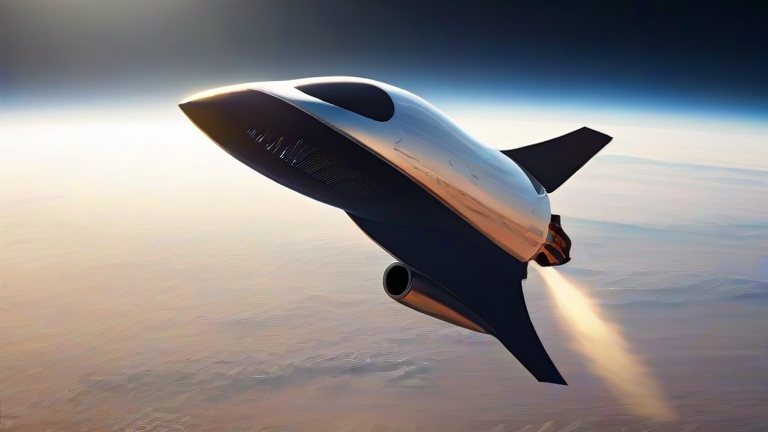
Affordable Suborbital Space Tourism Flights: The Future of Travel
For decades, the concept of space travel was confined to the realm of science fiction and the exclusive domain of state-sponsored astronauts. Today, however, we stand on the precipice of a new era where the final frontier is becoming accessible to private citizens. The commercial space industry is rapidly evolving from a niche market for billionaires to a burgeoning sector promising affordable suborbital experiences for the broader public. This transition is not merely a technological feat but a fundamental shift in how humanity perceives travel and leisure.
Recent market analysis indicates a explosive growth trajectory for the space tourism sector. According to data from Morgan Stanley, the commercial space industry is projected to be worth $1 trillion by 2040. Within this vast ecosystem, suborbital tourism represents the immediate revenue generator. Companies like Blue Origin, Virgin Galactic, and SpaceX are competing fiercely to lower costs while increasing safety standards. Currently, tickets range from $250,000 to $450,000, a steep price that excludes the average consumer. However, industry leaders are optimistic that economies of scale and reusable rocket technology will drive these prices down significantly within the next decade, potentially reaching the $50,000 to $100,000 range, making space travel comparable in cost to a luxury cruise or a high-end vacation home.
If you want to dig deeper, check out our guide on How AI Agents Manage Your Finances and Schedule Autonomously.
Expert insights suggest that the psychological impact of the “Overview Effect” – the cognitive shift reported by astronauts when viewing Earth from space – is a primary driver of consumer interest. Dr. Elena Ross, a senior analyst at Space Industry Insights, notes, “The appeal isn’t just about seeing the stars; it’s about the profound perspective shift that occurs when you witness the fragility of our planet. We are selling an experience that changes your worldview, not just a ticket to a seat.” This emotional connection creates a unique value proposition that traditional luxury travel cannot replicate.
Looking ahead, the future of space tourism involves more than just brief moments of weightlessness. Predictions indicate the development of orbital hotels and longer-duration stays within the next fifteen years. Furthermore, the infrastructure supporting these flights, including ground stations and training facilities, will create thousands of jobs and stimulate local economies in launch site regions like Florida, Texas, and New Mexico.
Why Solar Battery Storage Is Becoming a Home Standard
Leave a Reply