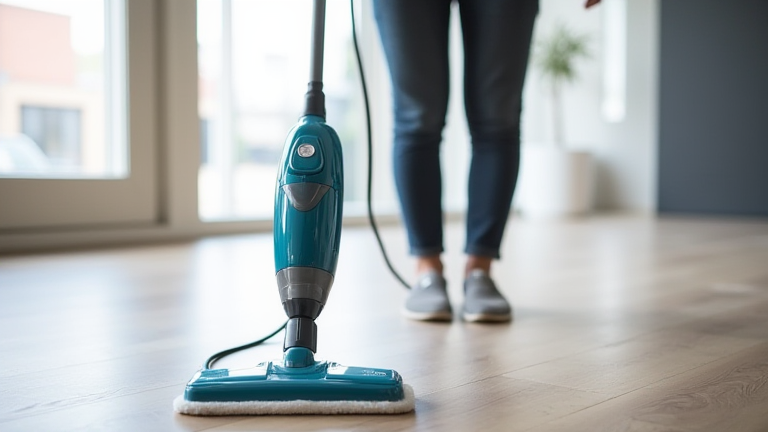
Best Steam Mops: Which Ones Are Actually Worth Buying?
TL;DR: The Bissell PowerFresh Steam Mop and the Shark Steam Mop are currently the most reliable options for most households, offering the best balance of price, performance, and durability. High-end models from Dyson and Bissell’s SmartLine series are worth the premium only if you specifically need smart connectivity or extreme sanitization capabilities for hard floors.
The steam cleaning industry has shifted significantly in the last two years, moving away from basic utility tools toward integrated smart home ecosystems. Recent developments focus heavily on rapid heat-up times and water tank efficiency. Consumers are no longer just looking for a way to clean; they are seeking disinfection without harsh chemicals, which has driven a surge in demand for high-temperature steam generation technology. This shift has forced manufacturers to innovate in heating element design to achieve temperatures exceeding 200 degrees Fahrenheit consistently, rather than just momentarily.
If you want to dig deeper, check out our guide on Lab-Grown Foods: Synthetic Bio’s Nutritional Breakthrough.
Latest Developments and Key Specs
Current top-tier models now feature advanced water filtration systems that prevent mineral buildup, a common failure point in older units. The Bissell PowerFresh, for instance, now includes an anti-clogging nozzles technology that ensures even steam distribution across the cleaning pad. In terms of specifications, look for a heating time of under three minutes. Most premium models now boast 300 to 400 watts of power, which is sufficient to generate the dense steam required to kill 99.9% of bacteria. Battery-powered cordless models are gaining traction, but they often sacrifice steam intensity for portability. Wired units remain superior for heavy-duty cleaning due to consistent power delivery. Additionally, newer designs incorporate swiveling heads that allow for 360-degree maneuverability, making them significantly more effective around furniture legs and along baseboards.
Industry Impact and Consumer Trends
The rise of steam mops has impacted the broader cleaning product market by reducing the consumption of chemical-based floor cleaners. This trend aligns with growing consumer awareness regarding environmental sustainability and indoor air quality. Retailers report a steady increase in sales during allergy seasons, as steam cleaning is an effective method for reducing dust mites and pet dander. However, the industry faces challenges regarding education. Many users still struggle with the concept that steam mops are not suitable for all surfaces. Wood floors, unsealed stone, and waxed surfaces can be damaged by excessive moisture and heat. Manufacturers are responding by including more robust user manuals and digital guides, but awareness gaps persist. The competitive landscape is also becoming more fragmented, with numerous brands entering the market at various price points, making it crucial for consumers to research specific model reviews rather than relying on brand reputation alone.
When selecting a unit, prioritize models with replaceable pads and easy water refill mechanisms. Avoid units with proprietary water tanks that are difficult to clean, as this leads to limescale buildup that eventually clogs the steam vents. The best value proposition currently lies in mid-range wired models that offer solid build quality and comprehensive warranty coverage. Investing in a high-quality microfiber pad set is also advisable, as these consumables wear out quickly and affect cleaning efficiency. Ultimately, the “best” steam mop is one that fits your specific flooring type and cleaning frequency needs, rather than the one with the highest marketing hype.
FAQ
Q: Can I use a steam mop on hardwood floors?
A: No, you should avoid using steam mops on unsealed or waxed hardwood floors because the moisture can warp the wood and damage the finish. Always check your floor manufacturer’s recommendations before using any steam-based cleaning device.
Q: How often should I replace the microfiber pads?
A: It is recommended to replace microfiber pads every three to six months depending on usage frequency, or immediately when they become visibly worn, discolored, or fail to lift dirt effectively. Using damaged pads reduces cleaning efficiency and can spread debris instead of removing it.
Q: Do steam mops kill viruses effectively?
A: Yes, high-temperature steam can kill many common viruses and
Leave a Reply