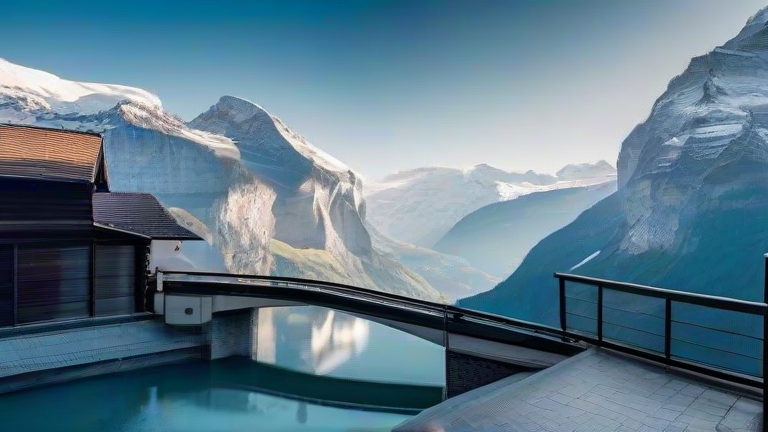
Lauterbrunnen, Wengen, and the Jungfraujoch offer a unique alpine experience, but the intense physical demands of high-altitude travel require careful preparation to ensure safety and enjoyment. This guide provides science-backed strategies for acclimatization, hydration, and muscle recovery to help you maximize your wellness while exploring these iconic Swiss destinations.
Understanding Altitude Physiology
The Jungfraujoch, often called the “Top of Europe,” sits at an elevation of approximately 3,454 meters. At this height, the partial pressure of oxygen is significantly lower than at sea level, which can lead to mild altitude sickness in some travelers. Symptoms such as headache, nausea, or dizziness are physiological responses to hypoxia. To mitigate these risks, the most effective strategy is gradual acclimatization. Instead of flying directly into the valley and immediately ascending to the peak, spend at least 24 hours in the lower valleys of Lauterbrunnen or Grindelwald. This allows your body to increase red blood cell production and improve oxygen efficiency. Science suggests that ascending no more than 500 meters per day above 2,500 meters reduces the risk of acute mountain sickness.
Hydration and Nutritional Strategies
High-altitude air is extremely dry, leading to increased insensible water loss through respiration and skin evaporation. Many travelers underestimate their fluid needs, assuming that the cold mountain air suppresses thirst. However, dehydration exacerbates altitude sickness and impairs cognitive function. Aim to drink at least 3 to 4 liters of water daily. Avoid alcohol and excessive caffeine, as both are diuretics that further dehydrate the body. Nutritionally, focus on complex carbohydrates rather than high-fat foods. Carbohydrates require less oxygen for metabolism compared to fats, making them the most efficient fuel source during physical exertion at high altitudes. Pack energy bars rich in carbs and proteins to maintain stable blood sugar levels during long hikes.
Physical Preparation and Recovery
The terrain in Lauterbrunnen and Wengen involves uneven stone paths, steep stairs, and significant elevation changes. Engaging in regular cardiovascular and strength training before your trip is essential. Focus on lower-body exercises such as squats, lunges, and calf raises to strengthen the muscles that will bear the load during hiking. On the day of your visit, prioritize proper footwear. Stiff-soled hiking boots with ankle support provide the stability needed to prevent sprains on rocky surfaces. After a day of activity, use science-backed recovery techniques. Cold water immersion or ice baths can reduce inflammation and muscle soreness. Additionally, prioritize sleep; aim for 7 to 9 hours in a dark, quiet room to allow your body to repair micro-tears in muscle tissue and regulate hormonal balance.
Mental Well-being and Mindfulness
The stunning landscapes of the Swiss Alps are not just visually appealing; they have proven psychological benefits. Studies indicate that spending time in nature reduces cortisol levels, the primary stress hormone, and improves mood. Practice mindfulness by engaging your senses. Focus on the crisp mountain air, the sound of glacial waterfalls in Lauterbrunnen, and the panoramic views from the Jungfraujoch. This practice, often referred to as “green exercise,” enhances mental clarity and reduces anxiety. Take deliberate breaks to sit and observe the scenery, allowing your mind to reset from the stimulation of travel logistics.
FAQ
Q: Is it safe to hike to the Jungfraujoch if I have a heart condition?
A: You should consult a physician before planning this trip. The reduced oxygen levels at high altitude place additional strain on the cardiovascular system, and individuals with pre-existing heart conditions face higher risks of complications.
Q: How many days should I spend in Lauterbrunnen vs. Wengen?
A: Ideally, allocate two days to the Lauterbrunnen Valley for its waterfalls and lower-altitude hiking, and two days to Wengen for car-free relaxation and higher-elevation trails. This balance allows for both active exploration and restorative downtime.
If you want to dig deeper, check out our guide on Learn to Edit Photos in Lightroom: A Step-by-Step Tutorial.
Q: What is the best time of day to visit
Leave a Reply