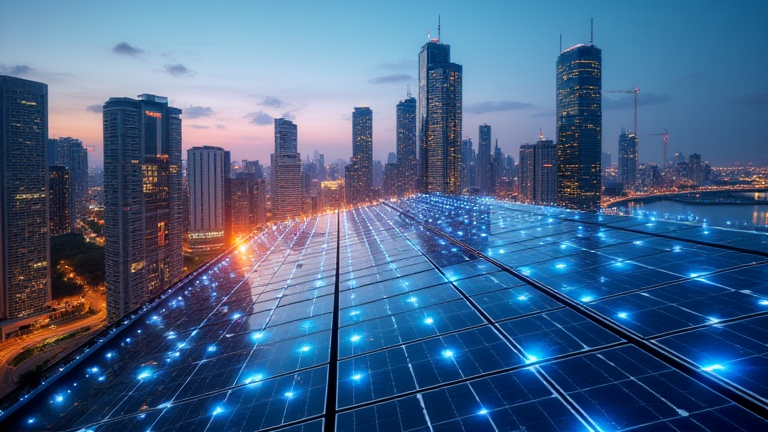
TL;DR: Decentralized energy grids empower smart cities by allowing residents to generate and trade power, fostering economic resilience and community engagement. This shift transforms energy from a passive utility into an active, cultural driver of sustainable urban living and personal empowerment.
The Cultural Shift in Energy Consumption
Imagine walking through a vibrant city district where the hum of traffic is replaced by the quiet buzz of innovation. This is not a dystopian vision, but the emerging reality of smart cities powered by decentralized grids. While the technology involves sophisticated inverters and blockchain ledger systems, the true revolution is cultural. It marks a profound shift from passive consumption to active participation, changing how we view our relationship with the resources that sustain our daily lives.
If you want to dig deeper, check out our guide on Why the M4 Pro MacBook Pro Beats the M3 Max for Video Editin.
Traditionally, energy was a one-way street. Utilities generated power, and citizens consumed it, often with little knowledge of the source or the environmental cost. This anonymity created a disconnect, making sustainability feel abstract and distant. Decentralized grids dismantle this barrier by turning every rooftop solar panel and home battery into a node in a collaborative network. Suddenly, the individual is not just a consumer but a producer. This role reversal fosters a sense of ownership and pride, much like how community gardens have transformed urban agriculture from a hobby into a social movement.
Personal Growth Through Technological Integration
From a personal growth perspective, integrating decentralized energy into your lifestyle offers a unique opportunity for mindfulness. Monitoring your energy production and consumption in real-time encourages a deeper awareness of your footprint. It is a daily practice of efficiency and stewardship. For many, this technical engagement becomes a source of intellectual satisfaction, blending the digital and physical worlds in a tangible way. It reminds us that progress is not just about high-speed internet or autonomous vehicles; it is about the quiet, steady pulse of renewable energy that keeps our homes warm and our minds at ease.
Furthermore, this shift enhances community cohesion. Peer-to-peer energy trading platforms allow neighbors to exchange surplus power, creating economic bonds that mirror traditional social networks. In a world often characterized by digital isolation, these local energy exchanges foster face-to-face interactions and shared goals. The smart city becomes not just a collection of sensors and algorithms, but a living ecosystem where human connection is powered by the sun and wind. It is a reminder that technology serves us best when it brings us closer to nature and to each other, creating a lifestyle that is both sustainable and deeply human.
FAQ
Q: Is decentralized energy only for tech-savvy people?
A: No, the technology is designed to be user-friendly, allowing anyone to participate in energy generation and trading through simple apps and interfaces.
Q: How does this affect the cost of living in smart cities?
A: It often reduces energy costs for residents by allowing them to sell surplus power back to the grid, while increasing local economic resilience.
Q: Can I start a decentralized energy project in my current home?
A: Yes, many homeowners are already installing solar panels and smart batteries, gradually integrating into local microgrids as infrastructure expands.
Leave a Reply