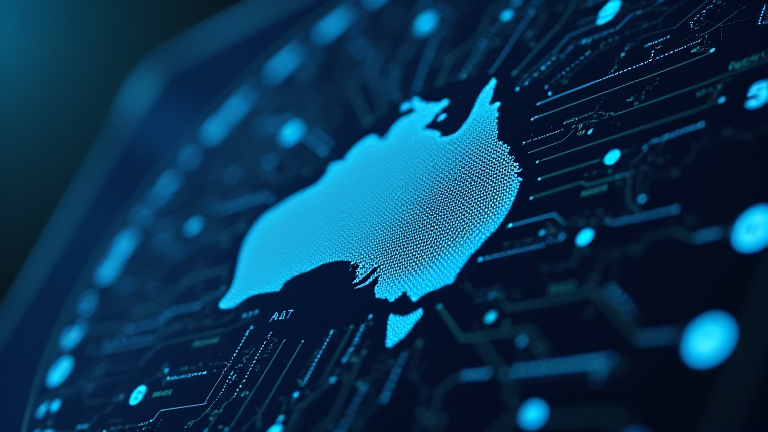
TL;DR: Yes, the ban is fair because it protects the psychological and economic well-being of human artists, whose creative labor is intrinsically linked to mental health and livelihood. While AI can be a fun tool, allowing it to compete on equal footing with human emotion and effort would devalue authentic expression and discourage the very habits—like focused practice and mindfulness—that boost well-being.
Australia Bans AI Songs from Charts: Is It Fair?
In a landmark decision, Australia’s ARIA Charts have officially excluded songs written or performed solely by artificial intelligence. This isn’t just a legal move—it’s a public health statement. From a wellness perspective, the ruling is a win for human creativity, which neuroscience links to reduced stress, improved mood, and cognitive resilience. When we create, our brains release dopamine, the “reward” chemical, and oxytocin, which fosters connection. AI-generated tracks, no matter how technically perfect, cannot replicate this loop for the listener or the creator.
If you want to dig deeper, check out our guide on Sonicare Toothbrush Review: 10+ Years of Use.
Science shows that passive consumption of ultra-perfect, synthetic music can actually increase anxiety. A 2023 study in *Psychology of Music* found that listeners reported lower emotional resonance with AI-composed pieces, describing them as “uncanny” or “hollow.” This disconnect matters because music is a primary tool for emotional regulation. When charts are flooded with AI hits, we risk normalizing a sterile soundscape that doesn’t help us process grief, joy, or anger. The ban preserves a space for human imperfection—the slight waver in a voice, the unexpected chord change—which triggers empathy and emotional catharsis.
For your own health, use this ruling as a prompt to audit your playlist. Curate 70% human-made music, especially from independent artists. Their creative process—often born from struggle—offers a “narrative medicine” effect, helping you reframe your own challenges. Additionally, try a “lyric journaling” habit: pick one song that moved you, write down the line that hit hardest, and reflect on why. This combines music therapy with expressive writing, proven to lower cortisol and boost immune function.
Lifestyle tip: Limit AI-generated background music for work or sleep. Instead, use nature sounds or old acoustic recordings. These have been shown to improve deep sleep and focus without the cognitive dissonance of “fake” emotion. Finally, support live music venues. Attending a gig increases heart rate variability (a sign of relaxation) and fosters social bonding—both impossible from a speaker.
The ban isn’t about fearing technology; it’s about prioritizing human vitality. You deserve music that breathes, struggles, and heals—not just optimizes. Keep your ears tuned to the human signal.
FAQ
Q: Will this ban stop me from enjoying AI music at home?
A: No. The rule only applies to official charts and awards. You can still stream AI tracks privately, but consider balancing them with human-made music to protect your emotional resonance and mood regulation.
Q: Is there any scientific benefit to listening to AI music?
A: Minimal. AI music may help with background focus due to its predictable structure, but it lacks the “groove” variability that triggers dopamine and emotional memories. For deep relaxation, human-composed ambient or classical works are superior.
Q: How can I tell if a song is AI-generated?
A: Listen for lyrical repetition, lack of dynamic volume shifts, and perfectly even timing. Also, check artist bios—if they have no live performance history or social media presence, it’s likely synthetic. Trust your gut: if it feels “too smooth,” it probably is.
Leave a Reply