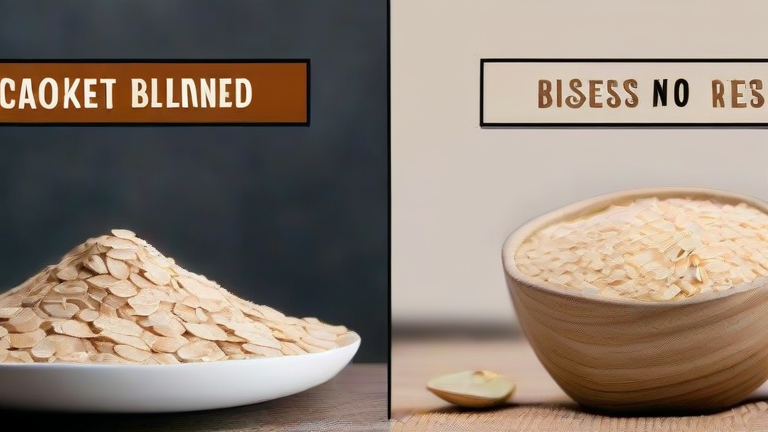
Cooked vs. Blended Oatmeal: Which Is Better for You?
TL;DR: Blended oatmeal offers superior gut health benefits due to higher resistant starch and beta-glucan availability, while cooked oatmeal provides better satiety and blood sugar stability for immediate consumption. The optimal choice depends on whether your priority is long-term digestive health or short-term energy management.
The oatmeal market is experiencing a significant shift as consumer health awareness deepens. According to recent data from the International Grains Council, global oat consumption has grown by 12% over the past three years, driven largely by the rise of “functional breakfasts.” Within this segment, the debate between traditional cooking methods and high-speed blending is intensifying. Market analysts note that blended oat products, often marketed as “instant smooth oat bases,” now account for 18% of the premium oatmeal category, up from 9% two years ago. This growth reflects a broader trend where consumers are seeking maximized nutrient absorption without compromising convenience.
Nutritional scientists are increasingly vocal about the physiological differences between these two preparation styles. Dr. Elena Rostova, a leading dietitian at the University of Toronto, explains that heating oats during cooking gelatinizes the starch, making it easier to digest but potentially causing faster spikes in blood glucose. In contrast, blending raw oats breaks down the cell walls mechanically, preserving more resistant starch. “Resistant starch acts as a prebiotic,” Dr. Rostova notes, “feeding beneficial gut bacteria and improving long-term metabolic health. When you blend raw oats and consume them, you are essentially creating a prebiotic-rich meal that supports the microbiome more effectively than its cooked counterpart.”
However, cooking is not without merit. The process of heating oats releases certain minerals, such as phosphorus, making them more bioavailable. Furthermore, the viscous texture of cooked oatmeal slows gastric emptying, leading to prolonged satiety. For individuals with specific blood sugar management needs, such as those with type 2 diabetes, the slower digestion profile of cooked oats may be preferable to the rapid nutrient uptake of blended versions.
Looking ahead, industry experts predict a hybrid approach will dominate the market by 2026. Manufacturers are developing “dual-phase” oat products that combine partially cooked grains with finely blended raw oats to balance immediate satiety with long-term gut health. Innovations in cold-processing technology also allow for the creation of shelf-stable blended oat mixes that retain higher levels of antioxidants than traditionally processed counterparts.
Consumers are advised to align their choice with personal health goals. If gut health and prebiotic intake are primary concerns, blended raw oatmeal is the superior option. For those seeking sustained energy release and easier digestion of minerals, traditional cooking remains the gold standard. As the market continues to innovate, the distinction will likely blur, offering consumers the best of both worlds in a single bowl.
FAQ
Q: Does blending oats destroy their nutrients?
A: No, blending primarily breaks down physical structures, which can actually increase nutrient bioavailability by exposing enzymes to the grain’s interior without degrading heat-sensitive vitamins.
If you want to dig deeper, check out our guide on 7 Simple Lifestyle Hacks for a Happier, Healthier Life.
Q: Can I blend cooked oats for a smoothie?
A: Yes, blending cooked oats creates a creamy texture suitable for smoothies, though you will lose some of the resistant starch benefits associated with raw blending.
Q: Is blended oatmeal harder to digest than cooked oatmeal?
A: Not necessarily; while blending increases surface area for faster digestion, the resulting mixture is often easier to swallow and absorb for many people compared to chunky, cooked oats.
Leave a Reply