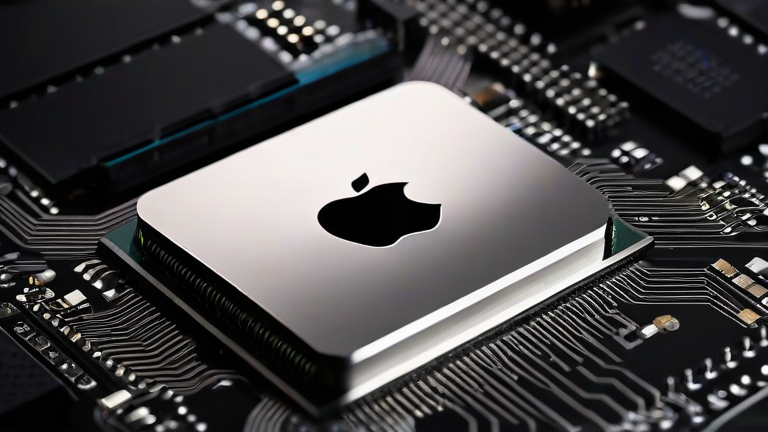
TL;DR: The Apple M3 Ultra chip redefines high-performance computing by integrating next-generation Neural Engines and unified memory architecture, delivering unprecedented speed and efficiency for professional creative workflows. It shifts the industry standard by proving that specialized silicon can outperform traditional discrete GPU solutions while maintaining exceptional power efficiency.
1. Unprecedented Neural Engine Performance
The M3 Ultra features a significantly enhanced Neural Engine, capable of processing trillions of operations per second. This leap in AI acceleration allows for real-time video analysis and advanced machine learning tasks directly on the device. Users can now run large language models and complex image generation tools locally, reducing reliance on cloud servers and ensuring faster response times for intensive AI-driven applications.
If you want to dig deeper, check out our guide on 10 Simple Lifestyle Hacks for a Healthier, Happier Life.
2. Massive Unified Memory Bandwidth
With up to 1.5TB/s of unified memory bandwidth, the M3 Ultra eliminates the bottleneck between the CPU and GPU. This massive throughput enables seamless handling of multi-terabyte datasets without performance degradation. Professionals working with 8K video or massive 3D renders experience near-instant feedback, as the chip moves data with incredible fluidity, making previously impossible real-time adjustments possible on desktop hardware.
3. Dual-Die Architecture Synergy
Apple’s UltraFusion technology connects two M3 Max dies into a single coherent processor. This architecture doubles the core count and GPU performance while maintaining low latency communication between the two halves. The result is a system that scales linearly, allowing users to add more cores for more power without the complexity or heat management issues associated with multi-socket server setups.
4. Thermal Efficiency and Silent Operation
Despite its immense power, the M3 Ultra is designed with thermal efficiency as a priority. The advanced fabrication process allows the chip to sustain peak performance for extended periods without excessive heat generation. This means quieter operation and longer battery life for mobile workstations, proving that high performance does not necessarily require aggressive fan speeds or large, power-hungry cooling systems.
5. Professional Media Creation Revolution
Video editors and 3D artists benefit from accelerated hardware encoding and decoding for ProRes and HEVC formats. The chip processes multiple streams of high-resolution video simultaneously, allowing for complex timeline edits with dozens of effects applied in real time. This capability transforms Macs into standalone production servers, reducing render times from hours to minutes and streamlining the entire post-production pipeline.
6. Software Optimization and Ecosystem Lock-in
Apple’s deep integration of hardware and software ensures that the M3 Ultra is supported by native optimizations in major creative applications. Developers can leverage the Metal 4 API to unlock specific hardware features, leading to smoother performance and lower resource usage. This tight ecosystem creates a compelling value proposition for professionals who require reliability and speed, further cementing the Mac’s dominance in creative industries.
7. Industry Impact and Competitive Pressure
The release of the M3 Ultra forces competitors in the x86 and ARM server markets to reevaluate their strategies. It demonstrates the viability of high-performance, low-power chips for desktop and workstation use, challenging the dominance of traditional discrete graphics cards. This shift may accelerate the industry-wide move toward integrated, specialized silicon, leading to more efficient and powerful computing solutions across all sectors.
FAQ
Q: Is the M3 Ultra available in all Mac models?
A: No, the M3 Ultra is exclusively available in the top-tier Mac Studio and Mac Pro models, designed for professional users requiring maximum performance.
Q: How does the M3 Ultra compare to discrete NVIDIA GPUs?
A: The M3 Ultra offers comparable or superior performance in creative tasks with significantly lower power consumption and noise levels, thanks to its unified memory architecture and specialized media engines.
Q: Can the M3 Ultra handle large language models locally?
A: Yes, its large unified memory pool and high bandwidth allow it to run large, complex LLMs entirely on-device, ensuring privacy and speed without internet
Leave a Reply