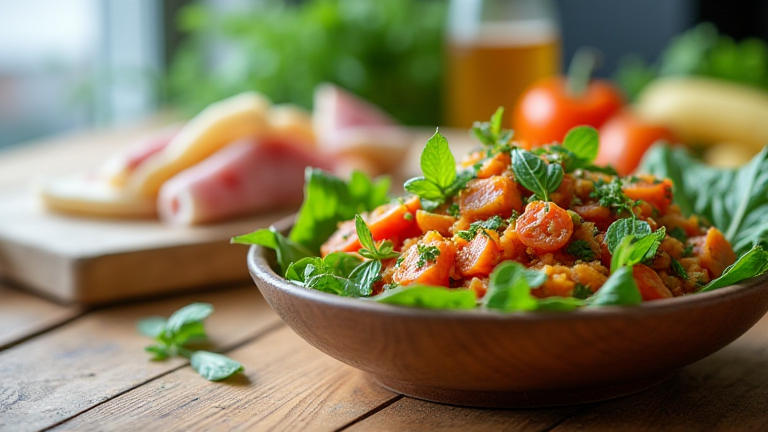
TL;DR: This week’s nutrition discussion answers your most pressing personal diet questions, focusing on how to adapt healthy eating to your travel, cultural food traditions, and daily routines. The core advice: prioritize consistency over perfection, and use local, seasonal ingredients to nourish both body and curiosity.
Why Your Diet Should Travel With You, Not Against You
When we think of “diet,” we often imagine a rigid list of forbidden foods. But the most sustainable approach is one that bends—like a good travel itinerary—around your real life. Whether you’re a digital nomad eating street food in Bangkok, a busy parent reviving your grandmother’s recipes, or someone simply trying to feel more energetic, the questions you ask about nutrition usually share a hidden theme: “How do I eat well without losing joy?”
If you want to dig deeper, check out our guide on 7 Reasons the Apple M3 Ultra Chip Changes Everything.
This week, I’ve collected the most common questions from readers who are balancing wanderlust, heritage, and health. The answers below are not one-size-fits-all. Instead, they are frameworks for making smarter choices in real-world contexts.
Food as Culture: Don’t Fight Your Roots
One reader asked: “I’m Italian-American, and Sunday dinner is pasta and meatballs. Should I give it up?” The short answer? No. Nutrition is about patterns, not single meals. A plate of homemade pasta with a rich tomato sauce, lean meatballs, and a side of bitter greens is a far cry from a drive-thru burger. The issue is rarely the food itself—it’s usually the portion, the frequency, and the lack of balance around it. Honor your culture by keeping the dish, but upgrade the details: use whole-grain or legume-based pasta, add more vegetables to the sauce, and serve fruit for dessert instead of processed sweets.
Traveling Well: The Airport Snack Strategy
Frequent flyers often ask about jet lag and digestion. My advice: treat your body like a timezone, not a trash can. Before a long flight, eat a meal rich in protein and fiber (think quinoa salad with chickpeas) to stabilize blood sugar. Pack your own snacks—nuts, dried mango without added sugar, or rice cakes with almond butter—so you’re not hostage to the overpriced, over-salted options at the terminal. On the ground, eat the local breakfast, even if it’s rice and fish at 7 a.m. Your gut microbiome thrives on variety, and trying new foods is a form of personal growth that also feeds your health.
The 80/20 Rule for Real Life
Many of you ask about “cheat days.” I prefer the 80/20 approach: 80% of the time, choose nutrient-dense whole foods; 20% of the time, enjoy that croissant, that festival treat, that late-night pizza with friends—without guilt. Guilt itself is a stress hormone, and chronic stress is worse for your waistline than a slice of cake. This mindset helps you stay consistent on ordinary days, so you can fully savor extraordinary ones.
FAQ
Q: What’s the best way to eat healthy when staying in hostels or Airbnb without a kitchen?
A: Focus on no-cook, high-protein staples: pre-washed greens, canned beans, rotisserie chicken, yogurt, and whole-grain bread. Buy a small jar of olive oil and lemon at a local store—you can make a satisfying bowl of protein, veggies, and healthy fat in under five minutes.
Q: How do I handle family pressure to “eat more” during cultural celebrations without wrecking my progress?
A: Take small portions of everything you genuinely love, and fill the rest of your plate with vegetables or fruit. Then, graciously say, “This is delicious—I want to save room for dessert.” You’re not refusing their love; you’re managing your energy. If pressed, ask for a to-go container and enjoy it later.
Q: I travel for work every week. How do
Leave a Reply