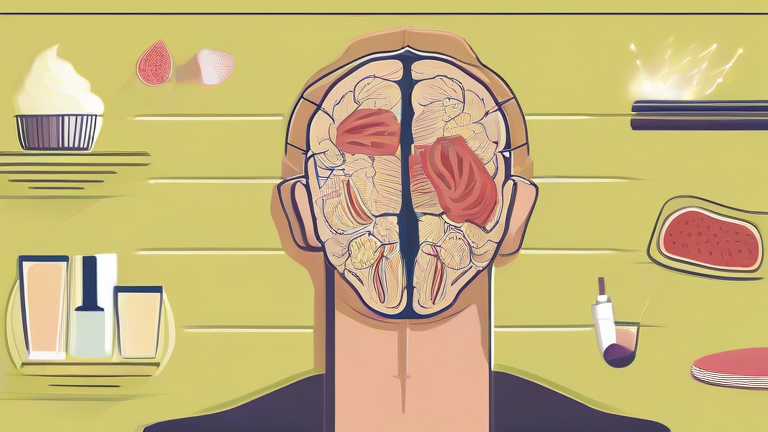
TL;DR: Common health beliefs like “carbs cause obesity” or “you need eight glasses of water daily” are often oversimplifications of complex biological processes. Evidence-based wellness relies on personalized nutrition, adequate sleep, and consistent movement rather than rigid, universal rules.
10 Health Myths Debunked: What You Really Need to Know
If you want to dig deeper, check out our guide on 10 Lifestyle Habits to Boost Your Happiness and Productivity.
In an era of information overload, distinguishing between scientific fact and viral misinformation is crucial for maintaining optimal health. Many widely accepted health rules are actually myths that can hinder rather than help your wellness journey. By understanding the science behind these common misconceptions, you can make informed decisions that truly benefit your body and mind.
First, consider the role of carbohydrates. The myth that all carbs are bad ignores their vital function as the body’s primary energy source. Complex carbohydrates, such as whole grains and vegetables, provide essential fiber and nutrients that support digestive health and stable blood sugar levels. Similarly, the idea that eating fat automatically leads to weight gain is outdated. Healthy fats, found in avocados, nuts, and olive oil, are crucial for hormone production and nutrient absorption.
Another persistent myth is the necessity of drinking exactly eight glasses of water a day. Hydration needs vary significantly based on individual factors like activity level, climate, and overall diet. Fruits and vegetables contribute substantially to daily fluid intake, making rigid water quotas unnecessary for most people. Furthermore, the belief that you must sweat to burn calories is misleading. While exercise is essential for health, calorie expenditure is driven by metabolic rate and duration, not perspiration.
Sleep is another area rife with misinformation. The notion that “catching up” on weekend sleep fully compensates for weekday sleep deprivation is false. Chronic sleep loss affects cognitive function, immunity, and metabolic health in ways that cannot be reversed by sporadic naps. Additionally, the idea that stretching prevents all injuries is only partially true. While flexibility is important, strength training and proper warm-ups are equally critical for injury prevention.
Finally, the concept that detox teas cleanse the body is scientifically unfounded. Your liver and kidneys are highly efficient natural detoxifiers. Relying on unproven supplements can sometimes do more harm than good by disrupting electrolyte balance or causing digestive distress.
FAQ
Q: Do I need to take detox supplements to cleanse my body?
A: No, your liver and kidneys naturally filter toxins effectively; healthy lifestyle choices support these organs better than unproven supplements.
Q: Is it true that you must sweat during exercise to burn calories?
A: No, sweating is a cooling mechanism, not an indicator of calorie burn; metabolic rate and exercise duration determine energy expenditure.
Q: Can weekend sleep make up for weekday sleep deprivation?
A: No, chronic sleep debt impacts long-term health and cognitive function; consistent sleep hygiene is more effective than occasional catch-up sleep.
Leave a Reply