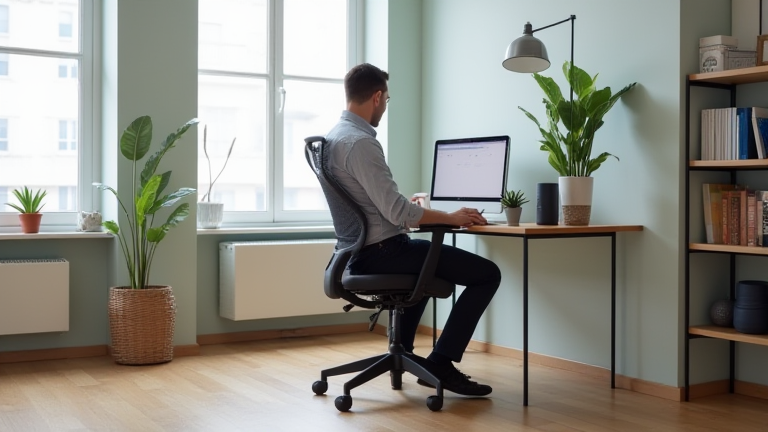
TL;DR: The Herman Miller Aeron is widely considered the best ergonomic office chair for lower back pain due to its superior Pellicle mesh suspension and adjustable lumbar support. For budget-conscious buyers, the Steelcase Leap V2 offers nearly identical ergonomic benefits and superior adjustability, making it the top value choice for long-term spinal health.
Why Ergonomics Matter for Spinal Health
If you want to dig deeper, check out our guide on Fix Produce Anxiety to Boost Nutrition & Wellness.
Sitting for extended periods places significant pressure on the lumbar spine, often leading to chronic discomfort and poor posture. An ergonomic office chair is not merely a luxury; it is a vital tool for maintaining the natural S-curve of your spine. Without proper support, the intervertebral discs compress, leading to fatigue, pain, and long-term structural issues. Investing in a high-quality chair can significantly reduce these risks, allowing you to focus on productivity rather than discomfort. When selecting a chair, prioritize models that offer dynamic lumbar support, seat depth adjustment, and breathable materials to prevent heat buildup and slouching.
Top Recommendations for Lower Back Relief
The Herman Miller Aeron remains the gold standard in ergonomic seating. Its innovative Pellicle mesh eliminates pressure points by distributing weight evenly across the seat and backrest. Unlike traditional foam cushions that sag over time, the Aeron maintains its shape and support for years. The adjustable PostureFit SL system specifically targets the sacrum and lumbar spine, encouraging a healthy pelvic alignment. While the upfront cost is high, the durability and health benefits often justify the investment for professionals who spend eight or more hours seated daily.
For those seeking a comparable experience at a lower price point, the Steelcase Leap V2 is an exceptional alternative. It features LiveBack technology, which changes shape to mimic and support the movement of your spine throughout the day. The Leap offers extensive adjustability, including seat depth, armrest height, and lower back firmness. Many users find the Leap more customizable than the Aeron, allowing for a tailored fit that addresses specific pain points. Its robust build quality ensures it withstands heavy use without losing its ergonomic integrity.
Another strong contender is the Humanscale Freedom. This chair auto-adjusts to your weight, eliminating the need for complex manual controls. The weight-sensing mechanism ensures that the backrest provides the perfect amount of tension regardless of your body mass. This intuitive design reduces the learning curve and ensures consistent support, making it ideal for users who prefer simplicity over manual tweaking.
Ultimately, the best chair depends on your specific body type and budget. However, all three options listed above prioritize spinal alignment and long-term comfort. Do not compromise on your health for a few dollars saved on a cheap seat. Prioritize adjustability and support features to ensure your investment pays off in reduced pain and increased productivity. Explore these options today and take the first step toward a pain-free workday.
FAQ
Q: How long does it take to get used to an ergonomic chair?
A: Most users adapt within one to two weeks, though some may experience a brief adjustment period as their muscles strengthen and learn new posture habits.
Q: Is mesh better than foam for lower back pain?
A: Mesh is generally preferred for breathability and even weight distribution, reducing pressure points, but high-density foam can offer better contouring for specific body shapes.
Q: Should I replace my old chair immediately?
A: If your current chair lacks lumbar support or causes pain, replacing it immediately is recommended to prevent further spinal strain and discomfort during work hours.
Leave a Reply