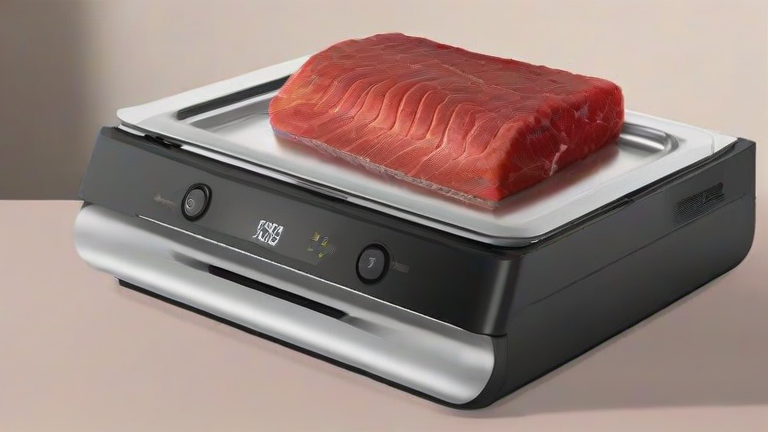
TL;DR: Zwilling offers superior durability and professional-grade craftsmanship, making it ideal for serious home cooks who prioritize longevity and aesthetic integration into a high-end kitchen. Conversely, FoodSaver provides unmatched convenience and versatility for everyday meal prepping, making it the best value choice for families focused on reducing food waste and saving time.
The Battle of the Brands: Efficiency Meets Elegance
The global kitchen appliance market is witnessing a significant shift towards sustainable cooking practices, with vacuum sealing emerging as a critical tool for preserving freshness. According to recent market analysis, the vacuum sealing segment is projected to grow at a compound annual growth rate (CAGR) of 6.8% through 2030. This surge is driven by increasing consumer awareness regarding food waste, which accounts for approximately one-third of all food produced globally. In this evolving landscape, two dominant players, Zwilling and FoodSaver, cater to distinctly different consumer psychographics, creating a nuanced debate among culinary enthusiasts.

Zwilling, a brand synonymous with German engineering and premium quality, approaches vacuum sealing with a focus on material integrity and design. Their models often feature robust stainless steel construction and precise temperature controls, appealing to chefs who view kitchen tools as investments rather than disposable items. Expert insights from culinary institutes suggest that Zwilling’s heavier-duty mechanisms provide a more consistent seal over time, reducing the risk of seal failure during long-term storage. However, this premium positioning comes with a higher price point, often deterring budget-conscious shoppers. The brand’s aesthetic appeal also allows these devices to remain visible on countertops without disrupting interior design schemes, a factor that increasingly influences purchasing decisions among millennials and Gen Z consumers.
On the other hand, FoodSaver dominates the mass market by prioritizing functionality and accessibility. Their user-friendly interfaces, interchangeable accessory ports for canning and marinating, and affordable entry-level models have made them the default choice for household meal preparation. Market data indicates that FoodSaver holds the largest share of the North American vacuum sealing market, largely due to its extensive network of replacement bags and rolls. Experts note that while FoodSaver units may not match the build quality of premium competitors, their ease of use significantly lowers the barrier to entry for novice cooks. This accessibility fosters a habit of regular food preservation, which indirectly contributes to household savings on grocery bills.
Looking toward the future, industry predictions suggest a convergence of these two approaches. Smart technology integration is expected to become standard, with apps tracking food expiration dates and suggesting recipes based on stored ingredients. Both brands are likely to adopt eco-friendly materials to address growing environmental concerns, potentially leveling the playing field between durability and sustainability. As automation becomes more prevalent in home kitchens, the distinction between a simple sealing device and a comprehensive food management system will blur, forcing brands to innovate beyond basic sealing capabilities to maintain competitive advantage.
FAQ
Q: Is Zwilling worth the extra cost compared to FoodSaver?
A: If you value long-term durability, premium aesthetics, and professional-grade performance, Zwilling is worth the investment. For occasional users or large families needing high-volume sealing, FoodSaver offers better value.
If you want to dig deeper, check out our guide on Why AI Investors Are Suddenly Quaking in Their Boots.
Q: Can I use FoodSaver bags with a Zwilling machine?
A: Generally, no. Zwilling machines often require specific proprietary bags or rolls to ensure proper sealing, whereas FoodSaver uses its own standard bag sizes. Always check the manufacturer’s compatibility guidelines before purchasing supplies.
Q: Which brand is better for reducing food waste?
A: Both brands effectively extend the shelf life of leftovers. However, FoodSaver’s lower cost and wider availability of accessories may encourage more frequent usage, potentially leading to greater overall waste reduction for average households.
Leave a Reply