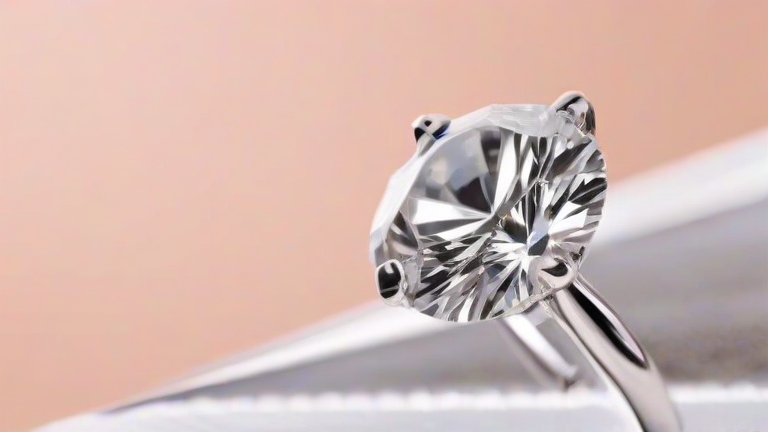
Why Gen Z Is Switching to Lab-Grown Diamonds
TL;DR: Gen Z is prioritizing ethical sourcing and value, driving a surge in lab-grown diamond adoption due to significant price advantages over mined stones. This shift reflects a broader generational commitment to sustainability and transparency in luxury purchases.
The jewelry industry is undergoing a seismic shift as Generation Z challenges traditional norms surrounding gemstones. Unlike previous generations who viewed mined diamonds as the sole symbol of commitment and status, younger consumers are increasingly drawn to the technological precision and ethical clarity of laboratory-created stones. This demographic, often described as value-conscious and environmentally aware, sees no inherent difference in the chemical composition or physical properties of lab-grown versus natural diamonds, making the premium price tag of mined stones difficult to justify.
If you want to dig deeper, check out our guide on Decentralized Social Media: Why Users Are Switching Now.
Market Data and Economic Drivers
Recent industry reports indicate a dramatic acceleration in lab-grown diamond sales. According to the Gemological Institute of America (GIA), the market value of lab-grown diamonds has grown exponentially, with sales volumes in the United States surpassing those of natural diamonds for the first time in recent quarters. Price differentials remain a critical factor; lab-grown stones typically cost 30% to 50% less than their mined counterparts of comparable size and quality. For a Gen Z buyer, this price gap allows for the purchase of a larger carat weight or a higher clarity grade within the same budget, offering tangible value that aligns with their financial pragmatism.
Expert Insights on Ethics and Identity
Jewelry industry experts suggest that the shift is fundamentally about identity and ethics. “Gen Z consumers are deeply embedded in digital spaces where supply chain transparency is paramount,” notes Dr. Elena Rossi, a consumer behavior specialist at the University of Michigan. “They are less interested in the scarcity narrative of mined diamonds and more interested in the story of innovation and zero-conflict sourcing.” Lab-grown diamonds allow buyers to sidestep the historical controversies associated with mining, including environmental degradation and human rights abuses. This aligns perfectly with the generation’s preference for brands that demonstrate social responsibility and sustainable practices.
Future Predictions
Looking ahead, analysts predict that lab-grown diamonds will capture over 50% of the retail diamond market by 2030. As production technologies improve, costs are expected to drop further, potentially commoditizing diamonds and shifting the value proposition toward brand heritage and design innovation. Major luxury houses are already integrating lab-grown options into their core collections, signaling a permanent structural change in the industry rather than a fleeting trend. The future of diamond engagement rings and fine jewelry will likely be defined by these ethically produced, technologically advanced stones, reshaping the landscape of luxury for decades to come.
FAQ
Q: Are lab-grown diamonds real diamonds?
A: Yes, lab-grown diamonds are chemically, physically, and optically identical to mined diamonds, differing only in their origin.
Q: Why do Gen Z buyers prefer them over mined diamonds?
A: They prefer them due to lower costs, ethical sourcing, and alignment with sustainability values.
Q: Will the price of lab-grown diamonds continue to drop?
A: Industry experts predict prices will continue to decrease as production efficiency improves and supply increases.
Leave a Reply