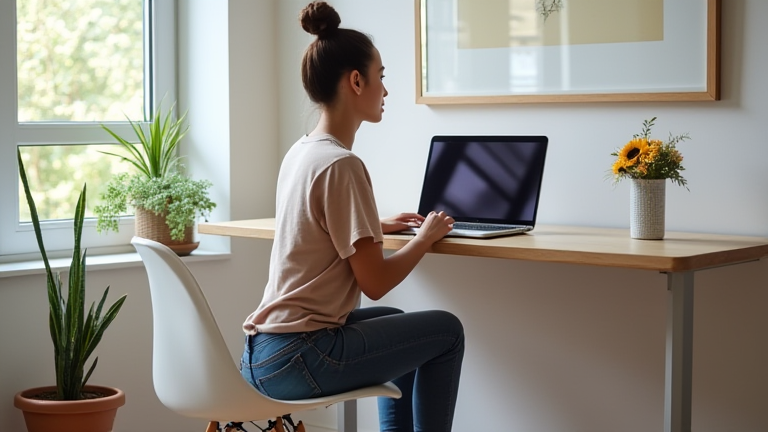
Why Every Home Office Needs a Standing Desk
TL;DR: A standing desk is essential because it combats the health risks of prolonged sitting, such as back pain and fatigue. It offers the flexibility to alternate between sitting and standing, significantly boosting energy levels and productivity throughout the workday.
The modern home office has evolved from a quiet corner into a primary workspace for millions. However, the standard static desk remains a silent culprit behind chronic health issues. The solution is not merely about posture; it is about dynamic movement. A standing desk transforms your workspace from a trap into a tool for wellness, allowing you to align your body with your changing energy levels.
If you want to dig deeper, check out our guide on 5 Shopify Store Setup Mistakes That Kill Conversions.
Key Features That Matter
When selecting a standing desk, prioritize stability and adjustability. The frame material is critical; steel frames offer superior durability compared to aluminum, which is lighter but may wobble under heavy loads. Look for desks with a minimum height adjustment range of at least 28 to 48 inches to accommodate different user heights comfortably.
The motor system is another vital component. Single-motor desks are cost-effective and sufficient for most individuals, but dual-motor systems offer faster transition times and greater lifting power. If you plan to use a large monitor arm or multiple heavy devices, a dual-motor setup ensures smooth, jitter-free movement. Additionally, consider the desk surface. Bamboo and solid wood offer aesthetic warmth and durability, while tempered glass provides a sleek, modern look that is easy to clean. Ensure the surface is large enough to accommodate your monitor setup without feeling cramped, ideally at least 48 inches wide.
Comparison: Standing vs. Traditional Desks
Traditional desks are static. Once you sit, you stay put, leading to blood flow restriction and muscle stiffness. In contrast, standing desks encourage micro-movements. Studies suggest that standing for a significant portion of the day can reduce back pain and improve focus. While traditional desks are cheaper and require no assembly, they lack the ergonomic adaptability that modern work demands.
Comparing brands, entry-level models often lack memory presets, meaning you must manually adjust the height each time you switch positions. Mid-range and premium models feature memory buttons that save your preferred sitting and standing heights. This small convenience saves time and ensures consistent ergonomic alignment. Furthermore, cable management systems are often an afterthought in cheap desks but are integrated into higher-quality models, keeping your workspace tidy and safe.
Call to Action
Investing in your health is the most productive decision you can make. Do not let your career compromise your well-being. Browse our curated selection of top-rated standing desks today. Look for models with lifetime warranties and responsive customer support. Click “Shop Now” to find the perfect fit for your home office and start your journey toward a healthier, more energetic work life.
FAQ
Q: Is standing all day healthier than sitting?
A: No, the healthiest approach is a mix. Alternating between sitting and standing every 30 to 60 minutes is recommended to prevent fatigue and maintain circulation.
Q: Do I need anti-fatigue mats with a standing desk?
A: Yes, anti-fatigue mats are highly recommended. They provide cushioning for your feet and legs, reducing discomfort and improving balance while you stand for extended periods.
Q: Can I use any monitor arm with a standing desk?
A: Most gas spring monitor arms are compatible, but you must check the weight capacity. Ensure the arm can support the weight of your specific monitors and that the desk surface has adequate thickness for clamping.
Leave a Reply