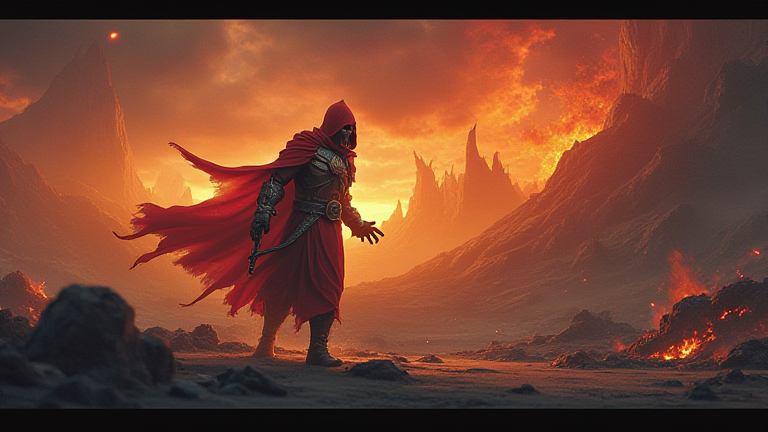
TL;DR: Web3 gaming is fundamentally shifting by integrating real-world assets to create tangible economic value within virtual environments. This convergence promises a future where digital ownership translates directly into financial utility, revolutionizing the traditional play-to-earn model.
The Convergence of Virtual and Physical Economies
The landscape of digital entertainment is undergoing a seismic shift. No longer confined to isolated ecosystems, Web3 gaming is rapidly integrating real-world assets, bridging the gap between virtual play and tangible value. This evolution marks a departure from the speculative bubbles of the past, focusing instead on sustainable utility and cross-platform interoperability. Investors and developers alike are recognizing that the true potential of blockchain technology lies not just in token speculation, but in creating robust economies that mirror real-world financial systems.

Recent market data underscores this trajectory. According to recent reports from DappRadar, the Web3 gaming sector experienced significant user engagement growth, with daily active wallets surpassing two million in key quarters. Furthermore, the total value locked in gaming-related DeFi protocols has shown a steady upward trend, indicating sustained investor confidence. This data suggests that the integration of real assets is not a fleeting trend but a structural adjustment in how digital value is perceived and stored.
Expert Insights on Sustainable Models
Industry leaders emphasize that the integration of real assets solves the critical issue of inflation often seen in traditional play-to-earn models. Dr. Elena Rossi, a leading analyst in blockchain economics, notes, “By anchoring virtual items to real-world value through tokenized real estate, commodity-backed tokens, or revenue-sharing rights, we create a more stable economy. Players are no longer just grinding for points; they are investing in assets with intrinsic worth.” This perspective highlights a move towards quality over quantity, where gameplay mechanics are designed to enhance, rather than exploit, player engagement.
Future Predictions
Looking ahead, the next five years will likely see widespread adoption of hybrid gaming models. We predict that major traditional gaming studios will partner with Web3 infrastructure providers to offer optional blockchain integration, allowing players to choose their level of financial engagement. Additionally, regulatory frameworks are expected to clarify the status of digital assets, providing legal certainty for both developers and users. As these standards emerge, we anticipate a surge in high-fidelity, asset-backed gaming experiences that offer genuine financial opportunities without compromising artistic integrity or gameplay enjoyment.
FAQ
Q: What is the primary benefit of integrating real assets in Web3 gaming?
A: It provides tangible economic value and stability, moving beyond speculative token prices to create sustainable in-game economies.
If you want to dig deeper, check out our guide on Digital Twins for Smart Urban City Planning & Optimization.
Q: How does this trend affect traditional gamers?
A: Traditional gamers can now own their in-game items as verifiable assets, potentially allowing them to sell or trade items for real-world value.
Q: Is regulatory compliance a major hurdle for this integration?
A: Yes, but emerging legal frameworks are specifically addressing digital asset classification, which is gradually reducing uncertainty for developers.
Leave a Reply