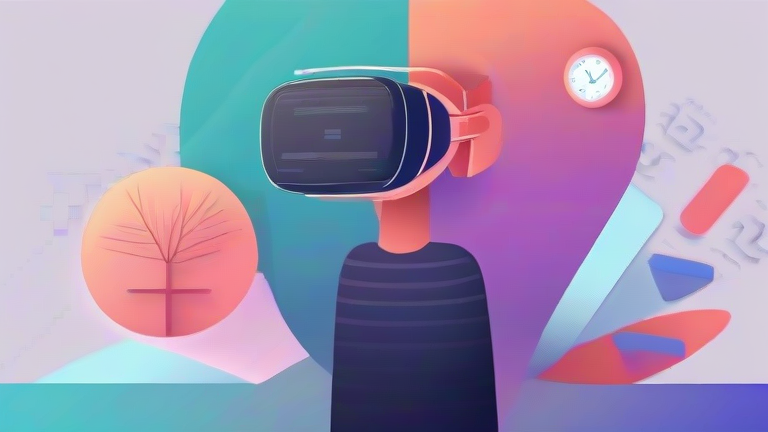
VR Exposure Therapy in Mental Health Apps: A New Era
Virtual Reality (VR) exposure therapy is rapidly transforming the landscape of digital mental healthcare. By immersing patients in controlled, simulated environments, clinicians can now treat anxiety disorders, PTSD, and phobias with unprecedented precision and safety. This technological leap is not merely a novelty but a clinically validated tool that bridges the gap between traditional talk therapy and immersive digital experiences. The integration of VR into mainstream mental health applications marks a significant pivot in how psychological trauma is addressed, offering scalable solutions that were previously impossible with conventional methods.

Recent developments have focused on enhancing the realism and interactivity of these virtual environments. Modern VR headsets, such as the latest iterations of the Meta Quest and Apple Vision Pro, offer high-fidelity graphics and low-latency tracking, which are crucial for maintaining the “presence” necessary for effective therapy. Developers are now incorporating haptic feedback and spatial audio to create multi-sensory experiences that closely mimic real-world triggers. For instance, a patient with arachnophobia can interact with a virtual spider that reacts to their movements, allowing for gradual desensitization in a safe, controlled setting. This level of customization ensures that each patient’s treatment plan is tailored to their specific fears and progress.
If you want to dig deeper, check out our guide on Top 10 Emerging Trends Shaping the Future in 2024.
From a technical standpoint, the specs required for these applications are becoming more sophisticated. AI-driven algorithms analyze patient responses in real-time, adjusting the intensity of the exposure based on physiological data such as heart rate and eye tracking. This biofeedback loop allows therapists to monitor progress objectively and make data-driven decisions. The software is often cloud-based, ensuring that updates and new content are seamlessly integrated without requiring users to manually download large files. This accessibility is key to making VR therapy available to a broader audience, including those in remote areas.
The industry impact of this technology is profound. Mental health apps are no longer just passive tools for meditation or mood tracking; they are active therapeutic platforms. Major healthcare providers and insurance companies are beginning to recognize the efficacy of VR therapy, leading to broader coverage and adoption. This shift is driving investment in the sector, fostering innovation among startups and established tech giants alike. However, challenges remain, including the
Leave a Reply