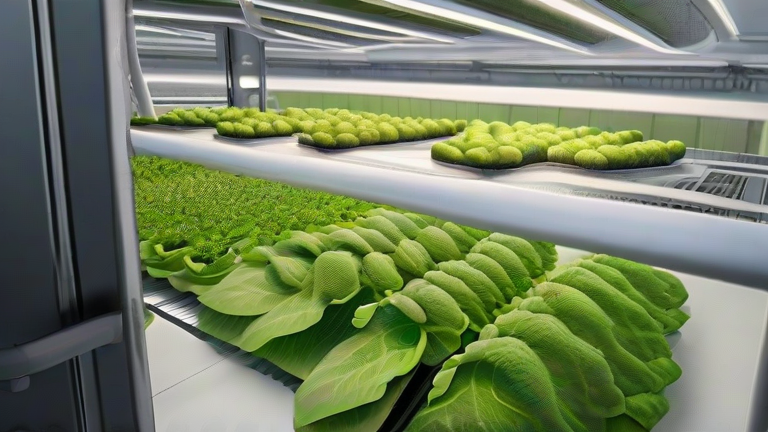
TL;DR: Vertical farming successfully scales to meet urban food demand by maximizing yield per square foot through stacked hydroponic systems. This method significantly reduces transportation emissions and water usage, making it a viable solution for densely populated metropolitan areas facing land scarcity.
Vertical Farming: Scaling to Meet Urban Food Demand

As global urbanization accelerates, the traditional model of agricultural production is facing unprecedented strain. The concept of “vertical farming” has emerged not just as a novelty, but as a critical infrastructure component for future food security. By growing crops in vertically stacked layers, often in controlled environments like warehouses or shipping containers, this technology addresses two major urban challenges: space limitations and supply chain inefficiency.
The primary feature highlight of modern vertical farming systems is their precision control over environmental variables. Unlike traditional farming, which is at the mercy of weather patterns, pests, and seasonal changes, vertical farms utilize advanced LED lighting systems that can be tuned to specific plant spectra. This ensures optimal growth rates year-round. Additionally, the integration of hydroponic and aeroponic technologies allows these systems to use up to 95% less water than conventional soil-based farming. For urban planners and investors, this efficiency translates into a highly reliable and predictable output.
When comparing vertical farming to traditional agriculture, the differences are stark. Traditional farms require vast tracts of arable land, which is increasingly scarce and expensive in urban centers. In contrast, a single vertical farm can produce the equivalent yield of acres of farmland within a city block. Furthermore, the “farm-to-table” distance is drastically reduced. Produce can be harvested and delivered to local stores or consumers within hours, preserving nutritional value and freshness. While the initial capital expenditure for setting up a vertical farm is high, the long-term operational savings on water, pesticides, and transportation often balance the equation. Critics argue about energy consumption, but advancements in renewable energy integration and energy-efficient LED technology are rapidly mitigating this concern.
The scalability of vertical farming is its most compelling argument. Modular designs allow farms to expand incrementally based on demand. A startup can begin with a small container-based unit and scale up to a multi-story facility as market needs grow. This flexibility makes it an attractive investment for cities looking to build resilient food systems. As technology matures and costs decrease, vertical farming will likely become the standard for leafy greens, herbs, and strawberries in urban environments. It is not merely a trend; it is the future of sustainable urban agriculture.
To capitalize on this revolution, consider partnering with leading vertical farming solution providers. Visit our website today to explore our scalable modular units and start your own urban agricultural enterprise. The future of food is vertical, and the time to act is now.
FAQ
Q: Is vertical farming profitable compared to traditional farming?
A: While initial costs are higher, vertical farming offers consistent yields and lower operational costs for water and pesticides, often leading to profitability within 3-5 years.
If you want to dig deeper, check out our guide on As Toxic as AIPAC: Progressive Leader Wants Dems to Reject A.
Q: What types of crops are best suited for vertical farming?
A> Leafy greens, herbs, strawberries, and microgreens are the most economically viable crops due to their short growth cycles and high market value.
Q: How much energy does a vertical farm consume?
A> Energy consumption is significant due to lighting, but modern LED technology and renewable energy integration have reduced usage by up to 50% in the last decade.
Leave a Reply