TL;DR: Vertical farming significantly reduces urban food transport costs by eliminating the need for long-distance logistics through local, indoor production. This shift drastically lowers fuel consumption and spoilage rates, making fresh produce more affordable and sustainable for city dwellers.
Revolutionizing Urban Agriculture
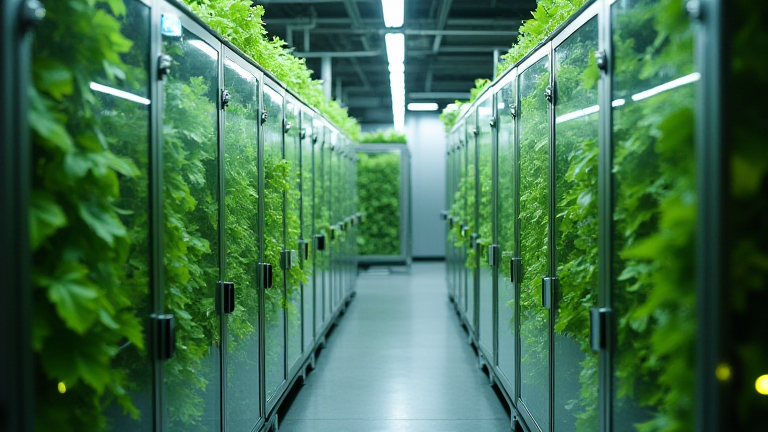
In the heart of bustling metropolises, a green revolution is taking place. Vertical farming is not just a trend; it is a logistical necessity for sustainable cities. By stacking crops in controlled environments, we bypass the traditional supply chain’s most expensive link: transportation. The  technology allows us to grow leafy greens, herbs, and strawberries right where people live, cutting miles of trucking routes to mere feet of shelf space.
Feature Highlights
The core advantage lies in proximity. Traditional lettuce travels an average of 1,500 miles from farm to fork. Vertical farms reduce this to under five miles. This proximity means less refrigeration, fewer emissions, and dramatically lower freight costs. Additionally, these systems use up to 95% less water than conventional agriculture. LED lighting is tuned to specific plant needs, ensuring optimal growth rates year-round, regardless of external weather conditions. The result is consistent quality and volume, stabilizing prices for consumers who no longer pay premiums for out-of-season or imported goods.
Comparative Analysis
When comparing traditional hydroponic greenhouses to modern vertical stacks, the efficiency gains are stark. Older systems required vast land areas and were susceptible to seasonal fluctuations. Vertical farming maximizes cubic footage, producing ten times more yield per square foot. While initial setup costs are higher, the operational savings on transport and water quickly offset the investment. Competitors who stick to rural farming struggle with rising fuel prices and supply chain disruptions, whereas vertical farms offer resilience and predictability.
Make the Switch
Investing in vertical farming technology is no longer optional for forward-thinking urban developers and restaurant chains. It is a strategic move to secure food independence and reduce overhead. Contact our sales team today to schedule a demo and see how our modular units can transform your supply chain. Join the movement towards a greener, more cost-effective future.
FAQ
Q: How much can vertical farming reduce transport costs?
A: It can reduce transport costs by up to 90% by localizing production within city limits.
If you want to dig deeper, check out our guide on 10 Science-Backed Health Tips for a Longer, Happier Life.
Q: Is the initial investment higher than traditional farming?
A: Yes, initial setup costs are higher, but operational savings on logistics and water provide a faster ROI.
Q: What types of crops are best suited for vertical farming?
A> Leafy greens, herbs, and strawberries are currently the most profitable and efficient crops for this method.
Leave a Reply