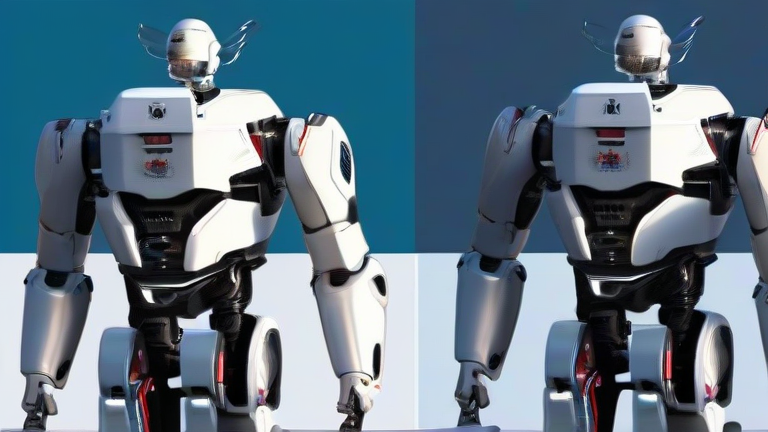
TL;DR: America’s push to build its own humanoid robots is hard because the engineering complexity and capital requirements far exceed initial public expectations, creating a steep learning curve. Furthermore, the lack of a unified national strategy and fragmented supply chains make scaling these innovations significantly more difficult than anticipated.
The Journey of Innovation
Traveling through the bustling tech hubs of Silicon Valley often feels like stepping into a future that is simultaneously close and impossibly distant. The air hums with the quiet intensity of engineers working on humanoid robots, machines designed to mimic the human form and function. Yet, for all the optimism, the road to mass production is fraught with unexpected hurdles. The challenge is not merely about coding algorithms or assembling limbs; it is about creating a harmonious blend of mechanical precision, artificial intelligence, and natural movement that feels intuitive. This quest mirrors a personal growth journey, where every setback is a lesson in resilience. Just as a traveler navigates unfamiliar landscapes, developers must traverse the complex terrain of battery efficiency, sensor integration, and real-world adaptability.
A Cultural Shift
In the realm of food and culture, we see parallels to this technological struggle. Crafting the perfect meal requires patience, precision, and an understanding of how individual ingredients interact. Similarly, building a humanoid robot requires a deep understanding of how various systems must work in unison. The American approach, driven by private enterprise and venture capital, offers speed and creativity but often lacks the long-term stability seen in state-led initiatives elsewhere. This cultural emphasis on rapid iteration can lead to breakthroughs but also to costly failures. The lack of a cohesive national policy means that resources are scattered, and standards are inconsistent. As we strive to integrate these machines into our daily lives, we must consider not just their technical capabilities but their social impact. How will they affect employment? What ethical guidelines will govern their use? These questions are as crucial as the engineering challenges themselves. Ultimately, the journey to building America’s own humanoid robots is a testament to human ingenuity and perseverance. It is a reminder that true innovation is not just about speed but about sustainable progress and thoughtful integration into society.
FAQ
Q: What is the primary technical barrier for US humanoid robots?
A: The main barrier is achieving natural, stable locomotion and dexterity that matches human performance while maintaining long battery life.
If you want to dig deeper, check out our guide on Untreated High Blood Pressure: Why Millions Need Medication.
Q: How does funding structure impact development speed?
A: Private venture funding allows for rapid innovation but can lead to fragmented efforts and a lack of standardized safety protocols.
Q: What role does policy play in this industry?
A: Current policy gaps create uncertainty for manufacturers, hindering large-scale manufacturing and widespread public adoption.
Leave a Reply