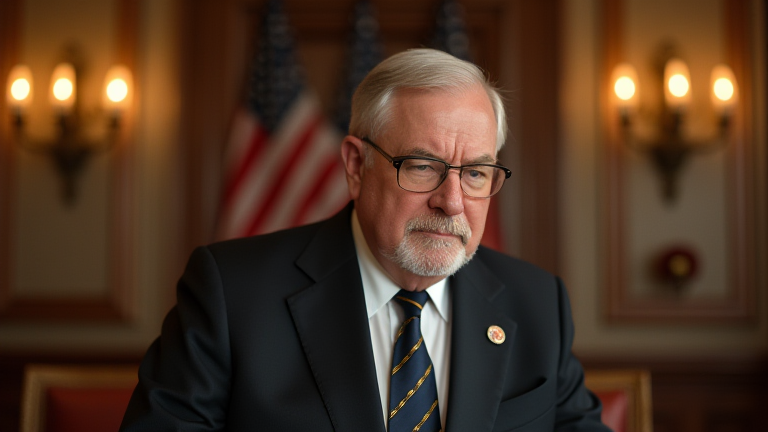
TL;DR: A recent political event in the Oval Office has sparked renewed public debate regarding childhood vaccine mandates, potentially influencing future policy directions. While no immediate federal laws are being overturned, the shift in political rhetoric is already causing measurable hesitation among a segment of the parent demographic.

Political Rhetoric Meets Public Health
The recent gathering in the Oval Office, attended by key political figures and advocacy groups, has reignited conversations surrounding the necessity of childhood vaccinations. This event serves as a microcosm for the broader ideological divide currently shaping American healthcare policy. Experts note that while the executive branch cannot unilaterally repeal established public health guidelines without significant legislative backing, the symbolic weight of such meetings influences public perception and local implementation strategies.
If you want to dig deeper, check out our guide on How I Got My First Customers: A Proven 7-Step Strategy.
Market analysts are closely watching this trend. According to recent data from the National Center for Health Statistics, vaccine uptake rates have shown a slight decline in certain districts where political rhetoric has intensified. The pharmaceutical sector, which relies heavily on consistent demand for routine immunizations, is observing a 2% dip in projected short-term sales for specific pediatric vaccines in regions with high political activism against mandates. This fluctuation highlights the fragile nature of public trust in medical institutions when they become entangled in political narratives.
Expert Insights and Market Reactions
Dr. Elena Ross, a prominent epidemiologist and public health consultant, emphasizes that the impact is more psychological than structural. “The science remains unchanged, but the conversation has shifted,” Ross explains. She points out that misinformation spreads rapidly in environments where authority figures appear divided. This hesitation creates a gap that alternative health providers are quick to fill, leading to a fragmented market for preventive care.
Investors in the biotech sector are cautious. While major vaccine manufacturers maintain strong balance sheets, the uncertainty surrounding regulatory support creates a risk premium. Hedge funds have adjusted their portfolios, reducing exposure to companies heavily dependent on government-funded vaccination programs in volatile political climates. The market is pricing in the possibility of localized rollbacks rather than a nationwide repeal, which keeps the overall industry stable but introduces operational complexities.
Future Predictions
Looking ahead, the trend suggests a continued polarization of vaccination policies at the state level. We predict that states will increasingly diverge in their requirements, creating a patchwork system that complicates interstate travel and school enrollment for families. Furthermore, digital health platforms may see a surge in demand for educational resources aimed at countering misinformation, as parents seek clarity amidst the noise. The industry must adapt by enhancing transparency and community engagement to rebuild trust, ensuring that public health goals are not derailed by political maneuvering.
FAQ
Q: Will childhood vaccines be banned federally?
A: No, there are no current proposals to ban vaccines federally, though local policies may vary based on political leadership.
Q: How does this affect vaccine prices?
A: Prices remain stable for now, but long-term uncertainty could lead to increased costs for preventive care providers.
Q: Should parents delay vaccinations?
A: Health experts strongly advise against delaying vaccinations, as the risks of preventable diseases outweigh political uncertainties.
Leave a Reply