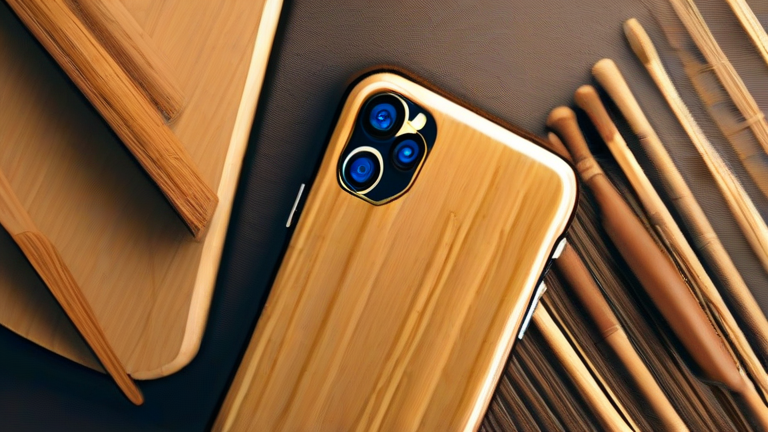
TL;DR: The sustainable bamboo phone case market is experiencing rapid growth, driven by consumer demand for eco-friendly alternatives to plastic and leather. This trend is reshaping the accessory industry by combining aesthetic appeal with environmental responsibility, signaling a permanent shift toward biodegradable materials in mobile technology protection.
The Green Revolution in Mobile Accessories
In recent years, the global smartphone accessory market has witnessed a paradigm shift. Consumers are no longer satisfied with products that contribute to the mounting plastic waste crisis. Instead, they are actively seeking sustainable solutions that do not compromise on style or durability. At the forefront of this movement is the rise of bamboo phone cases. These cases, crafted from naturally renewable bamboo fibers, offer a compelling alternative to traditional polycarbonate and synthetic leather options. The appeal lies not only in their unique, organic texture but also in their significantly lower carbon footprint compared to conventional manufacturing processes.
If you want to dig deeper, check out our guide on UK Cyber Agency Warns Over Frontier AI Behaviour.
Market Data and Economic Impact
Recent market research indicates that the global market for biodegradable phone accessories is projected to grow at a Compound Annual Growth Rate (CAGR) of over 12% through 2030. Specifically, bamboo-based products have seen a 25% year-over-year increase in sales volume across major e-commerce platforms. This surge is largely attributed to millennials and Gen Z consumers, who prioritize sustainability in their purchasing decisions. Furthermore, major tech retailers have reported a 15% drop in returns for bamboo cases compared to plastic ones, suggesting higher customer satisfaction and perceived value. The economic viability of bamboo is also improving, as advancements in processing technology have reduced production costs, making these cases competitive with mid-range plastic alternatives.
Expert Insights on Material Science
Dr. Elena Rossi, a materials scientist specializing in sustainable polymers, notes, “Bamboo is not just a trend; it is a functional evolution. Its natural antimicrobial properties and high tensile strength make it an ideal material for protective gear. Unlike plastic, which can take centuries to decompose, bamboo breaks down naturally, returning nutrients to the soil.” Industry experts also highlight the importance of the binding agents used in these cases. While early versions relied on toxic resins, modern manufacturers are increasingly using bio-based adhesives, ensuring the entire product remains environmentally friendly from start to finish. This holistic approach to design is what differentiates true sustainable products from mere “greenwashing” efforts.
Future Predictions for the Industry
Looking ahead, the integration of smart technology with sustainable materials is expected to become a key innovation area. Imagine bamboo cases embedded with NFC chips for contactless payments or tracking features, all while maintaining a zero-waste lifecycle. Additionally, regulatory pressures in the European Union and North America are likely to accelerate the adoption of biodegradable materials. Companies that fail to adapt may face strict penalties or consumer boycotts. We predict that within the next five years, bamboo and other plant-based materials will dominate the premium segment of the phone case market. Brands that successfully combine ethical sourcing with innovative design will lead this new era of conscious consumption, setting a new standard for the entire electronics accessory industry.
FAQ
Q: Are bamboo phone cases durable?
A: Yes, bamboo is naturally strong and resilient, offering excellent protection against drops and scratches when combined with modern binding technologies.
Q: How long do bamboo cases take to decompose?
A: Unlike plastic, untreated bamboo cases can biodegrade in a matter of months to a few years, depending on environmental conditions.
Q: Are bamboo cases more expensive than plastic?
A: While initially slightly more costly, prices are dropping due to increased production efficiency, making them comparable to mid-range plastic alternatives.
Leave a Reply