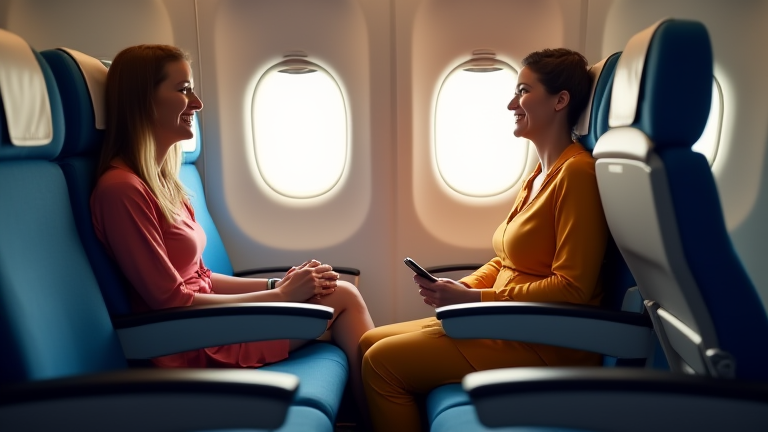
TL;DR: Choosing the right seat class significantly impacts your physical comfort and mental well-being during travel, with extra legroom reducing deep vein thrombosis risk. Prioritizing economy plus or business class can enhance hydration levels and sleep quality, ensuring you arrive refreshed and ready for your adventure.
Traveling with a friend is a cherished experience, but the quality of that journey depends heavily on the cabin class you select. While budget constraints are real, understanding the health implications of each tier can help you make an informed decision that prioritizes your physical and mental wellness. Economy class, often the most affordable option, frequently subjects travelers to cramped seating, which can lead to poor circulation and increased muscle stiffness. However, many airlines now offer “economy plus” or premium economy, providing additional legroom that can significantly reduce the risk of deep vein thrombosis, a serious condition associated with prolonged immobility. This middle-ground option often strikes the perfect balance between cost and comfort, allowing you to stretch your legs slightly and maintain better posture throughout the flight.
If you want to dig deeper, check out our guide on Chris Hansen Banned From Roblox at CrimeCon Demo With Schlep.
For those who can afford it, business class offers substantial health benefits beyond mere luxury. The ability to lie flat promotes better sleep patterns, which is crucial for combating jet lag and maintaining cognitive function upon arrival. Studies suggest that quality sleep during travel helps regulate cortisol levels, reducing stress and anxiety. Furthermore, business class amenities often include better air filtration systems and lower cabin pressure, which can alleviate sinus pressure and headaches, common complaints among frequent flyers. When traveling with a friend, splitting the cost of a higher class can sometimes be more feasible than expected, especially if you view it as an investment in your health rather than an expense.
Lifestyle tips also play a role in maximizing comfort regardless of your seat class. Hydration is paramount, as cabin air is notoriously dry, leading to dehydration and fatigue. Bring a reusable water bottle and avoid excessive alcohol or caffeine, which can exacerbate dehydration. Additionally, perform gentle in-seat exercises, such as ankle circles and knee lifts, to promote blood flow. If you choose economy, consider purchasing a neck pillow and wearing loose, breathable clothing to minimize physical discomfort. Ultimately, the goal is to arrive at your destination feeling energized and ready to explore, not exhausted and aching. By comparing the long-term health benefits of different seat classes, you can ensure that your travel experience with a friend remains positive, memorable, and physically sustainable. Remember, the journey is part of the destination, so prioritize your well-being to enhance the overall travel experience.
FAQ
Q: Is economy plus worth the extra cost for health reasons?
A: Yes, the additional legroom reduces the risk of blood clots and muscle stiffness, making it a valuable health investment for flights longer than four hours.
Q: How does cabin class affect sleep quality?
A: Business and first-class seats often allow for flat sleeping positions, which significantly improve sleep duration and quality compared to the upright seating in standard economy.
Q: What are the best in-flight exercises for economy passengers?
A: Perform ankle circles, knee extensions, and seated stretches every hour to promote circulation and prevent stiffness during long-haul flights.
Leave a Reply