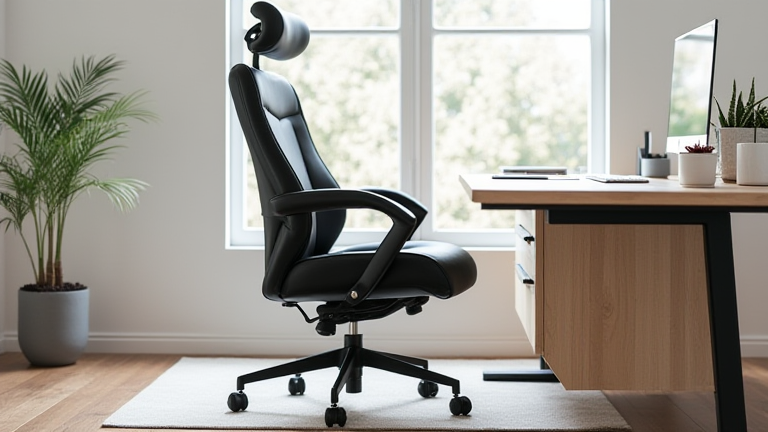
Top 5 Ergonomic Office Chair Trends Changing Home Workspaces
TL;DR: The ergonomic office chair market is shifting toward highly adjustable, breathable designs that prioritize spinal health and remote work comfort. Key trends include dynamic lumbar support, sustainable materials, and smart technology integration to combat sedentary work risks.
The Rise of the Home Office
With remote and hybrid work models becoming standard, the home office has evolved from a temporary setup to a permanent professional environment. This shift has driven a surge in demand for high-quality ergonomic furniture. According to a recent industry report, the global ergonomic office chair market is projected to grow at a CAGR of 6.2% through 2030. This growth is fueled by increasing awareness of musculoskeletal disorders associated with prolonged sitting. Employees are no longer satisfied with basic chairs; they seek solutions that actively support their posture and productivity. The market is responding by offering more sophisticated features that were previously reserved for premium corporate environments.
If you want to dig deeper, check out our guide on Top 5 E-commerce News Stories: AI Shopping & Drone Delivery.
Key Trends Reshaping the Industry
The first major trend is the advancement of dynamic lumbar support systems. Traditional static pads are being replaced by mechanisms that adapt to the user’s movement in real-time. Experts note that this continuous adjustment reduces pressure on the lower back, significantly lowering the risk of chronic pain. The second trend is the emphasis on breathable, sustainable materials. Consumers are increasingly demanding chairs made from recycled fabrics and eco-friendly plastics. This shift reflects a broader corporate responsibility movement, where companies seek to reduce their carbon footprint while providing healthy workspaces. It is no longer enough for a chair to look good; it must also align with environmental values.
Thirdly, the integration of smart technology is gaining traction. Some manufacturers are embedding sensors that track sitting posture and remind users to move or stretch. While still a niche segment, this innovation promises to prevent long-term health issues by encouraging active sitting. Fourth, the trend of “task-specific” seating is emerging. Rather than one chair for all duties, professionals are investing in multiple chairs tailored for different tasks, such as high-back chairs for deep work and mid-back chairs for collaborative calls. Finally, the rise of modular design allows users to customize their chairs as their needs change. This flexibility ensures that the furniture evolves with the user, providing long-term value and satisfaction.
Future Predictions and Expert Insights
Industry analysts predict that by 2025, over 40% of new ergonomic chair models will feature at least one smart technology component. Furthermore, the market will see a consolidation of brands, with larger companies acquiring smaller, innovative startups to stay competitive. Dr. Elena Ross, a leading ergonomics specialist, states, “The future of office seating is not about passive support but active engagement. We are moving toward chairs that interact with the human body, promoting movement and health rather than just comfort.” This perspective highlights the shift from furniture as a static object to a dynamic tool for wellness. As the hybrid work model solidifies, the investment in high-quality ergonomic chairs will continue to grow, driven by both employee demand and corporate health initiatives.
FAQ
Q: What is the most important feature to look for in an ergonomic chair?
A: Adjustable lumbar support is critical, as it helps maintain the natural curve of the spine and reduces lower back strain during long hours of sitting.
Q: Are smart ergonomic chairs worth the investment?
A: For individuals with specific posture issues or those who work extremely long hours, smart chairs with posture reminders can be beneficial, though standard high-quality chairs often suffice for most users.
Q: How often should I replace my office chair?
A: Most ergonomic chairs have a lifespan of five to ten years, depending on usage and quality, so it is advisable to inspect them for wear and tear annually.
Leave a Reply