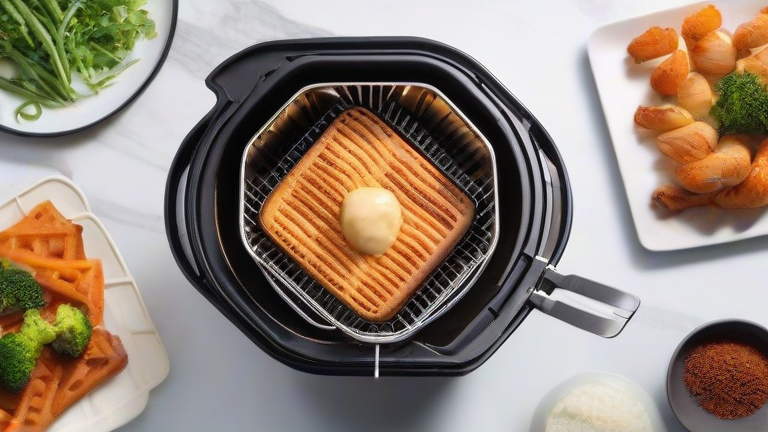
TL;DR: The top five air fryer trends transforming small kitchens in 2026 include compact dual-zone designs, smart connectivity, multifunctional capabilities, sustainable materials, and aesthetic integration. These innovations address space constraints while enhancing culinary versatility for urban dwellers.
The global air fryer market is experiencing a renaissance, driven by urbanization and the growing demand for efficient, healthy cooking solutions. According to recent market analysis, the sector is projected to grow at a compound annual growth rate of over 9% through 2028, with small kitchen appliances leading the charge. Consumers are no longer satisfied with basic basket designs; they seek appliances that offer precision, connectivity, and aesthetic appeal.

First, dual-zone technology has become indispensable. These units allow users to cook two different foods at different temperatures simultaneously, a feature highly prized in households with diverse dietary needs. Second, smart connectivity via Wi-Fi and mobile apps enables remote monitoring and recipe integration, appealing to tech-savvy millennials. Third, multifunctionality is key. Modern units now combine air frying, baking, dehydrating, and roasting, reducing the need for multiple single-use appliances that clutter small countertops.
Fourth, there is a significant shift toward sustainable materials. Brands are increasingly using recycled plastics and energy-efficient motors to appeal to environmentally conscious consumers. Finally, design aesthetics have evolved. Slim profiles and minimalist finishes allow these appliances to blend seamlessly into modern kitchen decor rather than standing out as utilitarian gadgets.
Expert insights from industry analysts suggest that the future of small kitchen appliances lies in hyper-specialization combined with space-saving engineering. “Consumers want appliances that work harder and take up less room,” says culinary technology expert Dr. Elena Ross. “We are seeing a move towards modular designs that can be stacked or stored easily.” Looking ahead, we predict the integration of AI-driven cooking algorithms that will automatically adjust time and temperature based on the specific food loaded, further simplifying the cooking process. As urban living spaces continue to shrink, these trends will define the next generation of kitchen technology, making healthy cooking more accessible and enjoyable for everyone.
FAQ
Q: What is the best air fryer for a small kitchen?
A: Look for a dual-zone model with a square or rectangular base to maximize space efficiency and allow simultaneous cooking of different foods.
If you want to dig deeper, check out our guide on Best Ergonomic Office Chairs for Back Pain Relief in 2026.
Q: Do smart air fryers require a constant Wi-Fi connection?
A: While real-time monitoring requires Wi-Fi, most models allow you to load pre-set recipes and start cooking even if the internet is temporarily disconnected.
Q: Are air fryers energy efficient compared to traditional ovens?
A: Yes, air fryers generally use significantly less electricity because they heat a smaller volume of air more quickly and maintain temperature more efficiently than full-sized ovens.
Leave a Reply