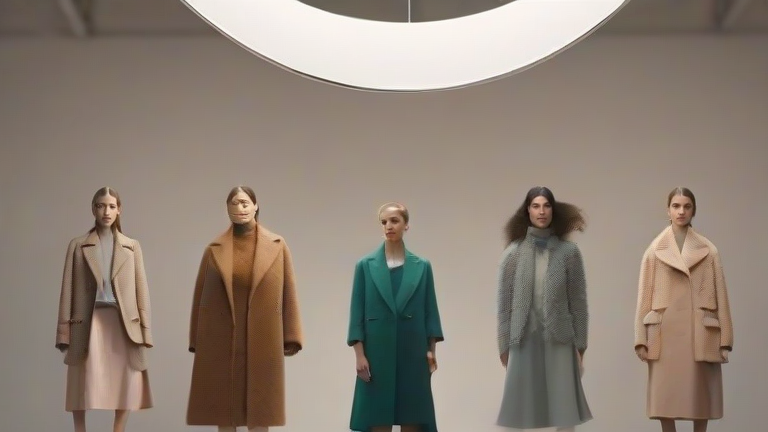
TL;DR: Yes, sustainable fashion drives the circular economy by prioritizing resource efficiency and waste reduction over the traditional linear model of “take-make-dispose.” It transforms clothing into long-lasting assets that are recycled, repaired, or resold, thereby minimizing environmental impact.
The Rise of Eco-Conscious Style
The fashion industry has long been criticized for its excessive waste and carbon footprint. However, a new era is dawning, one where style meets sustainability. This shift is not merely a trend but a fundamental change in how we view clothing. By adopting circular economy principles, brands are reimagining the lifecycle of garments. This approach ensures that materials are kept in use for as long as possible, extracting maximum value before they are recovered and regenerated.
Feature Highlights
Modern sustainable brands are integrating innovative technologies to support this mission. Key features include the use of biodegradable fabrics, such as organic cotton and hemp, which decompose naturally at the end of their life. Additionally, many companies offer repair services, allowing customers to mend tears or replace buttons rather than discarding entire items. Some even provide take-back programs, where old clothes are collected and recycled into new textiles. These initiatives create a closed-loop system that significantly reduces landfill waste.

Comparison with Traditional Fashion
When compared to fast fashion, sustainable clothing often comes with a higher upfront cost. However, the long-term value is undeniable. Fast fashion items are designed to be disposable, leading to frequent replacements and accumulating waste. In contrast, sustainable garments are built for durability. They withstand multiple washes and wearings, maintaining their shape and color over time. While the initial investment is higher, the cost per wear is often lower, making it a financially sound choice in the long run.
Take the Plunge
Transitioning to sustainable fashion is easier than you think. Start by auditing your wardrobe and identifying pieces that can be repaired or repurposed. Support brands that prioritize ethical labor practices and eco-friendly materials. By making conscious choices, you contribute to a healthier planet and a more equitable industry. Join the movement today and witness the positive impact of your decisions.
FAQ
Q: What is the circular economy?
A: It is an economic system aimed at eliminating waste and the continual use of resources.
If you want to dig deeper, check out our guide on Top 10 Emerging Trends Shaping the Future in 2024.
Q: Is sustainable fashion expensive?
A: It often costs more upfront but offers better durability and long-term value.
Q: How can I start?
A: Buy less, choose well, and support brands with transparent, ethical practices.
Leave a Reply