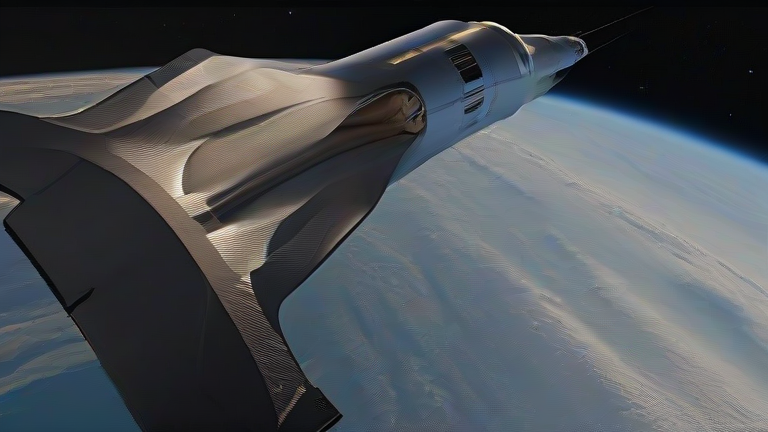
Space Tourism: Suborbital Flights for Civilians
The dream of looking back at Earth from the edge of space has transitioned from science fiction to a tangible, albeit exclusive, commercial reality. Suborbital space tourism represents the initial gateway for civilians to experience weightlessness and the “overview effect” without the years of rigorous training or the immense costs associated with orbital missions. This emerging sector is not merely about leisure; it is a high-stakes battleground for aerospace giants and startups alike, driven by technological innovation and a growing appetite for ultra-premium experiences.
Market Analysis: A Niche on the Brink of Growth
The global space tourism market is currently characterized by high barriers to entry and limited capacity. However, the trajectory points toward significant expansion. Analysts project that the market could reach tens of billions of dollars by the early 2030s. The primary customer base currently consists of ultra-high-net-worth individuals, tech entrepreneurs, and adventurers willing to pay between $250,000 and $500,000 for a 10-to-15-minute flight. Unlike orbital tourism, which requires complex life-support systems and multi-day safety protocols, suborbital flights offer a shorter turnaround time, allowing operators to potentially increase flight frequency as technology matures.
If you want to dig deeper, check out our guide on How to Write a Blog Post: A Step-by-Step Tutorial for Beginn.
Key drivers include the reduction in launch costs through reusable rocket technology and the psychological allure of exclusivity. Yet, challenges remain. Regulatory frameworks are still evolving, and public perception regarding safety is a critical hurdle. The industry must prove that civilian spaceflight is as safe, if not safer, than commercial aviation to achieve broader acceptance.
Strategic Insights: Safety, Speed, and Sustainability
Success in this sector hinges on three strategic pillars: safety certification, operational efficiency, and environmental responsibility. Companies must prioritize transparent safety records to build consumer trust. Furthermore, reducing the cost per seat through high-frequency launches is essential for scaling. Sustainability is also becoming a focal point; investors and regulators are increasingly scrutinizing the carbon footprint of rocket launches. Future strategies will likely involve developing greener propellants or carbon-offset programs to mitigate environmental impact.
 Related Articles
Leave a Reply