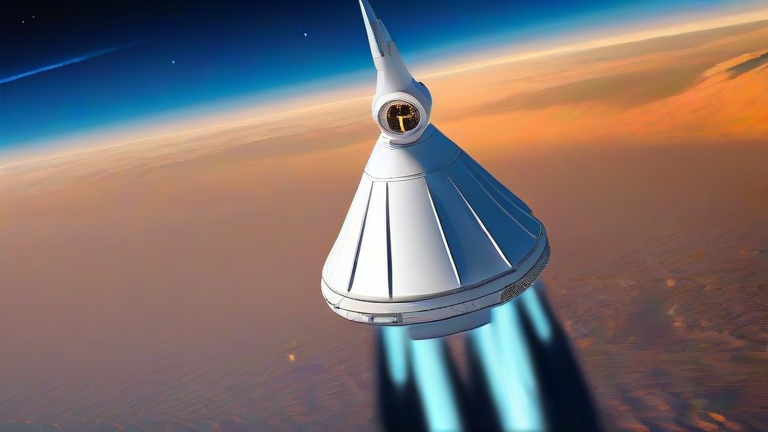
Space Tourism Offers Suborbital Flights: The Future of Travel
The dream of touching the stars is no longer confined to the realm of science fiction or elite astronauts. With the rapid advancement of commercial aerospace technology, suborbital space tourism has transitioned from a theoretical concept to a tangible, albeit expensive, reality. Companies like Virgin Galactic and Blue Origin are leading the charge, offering brief but transformative journeys to the edge of space. While this new frontier promises breathtaking views of the Earth’s curvature and a profound sense of weightlessness, it also presents unique physiological challenges that travelers must understand to ensure their safety and well-being. Understanding the biological impact of these high-altitude excursions is crucial for the aspiring space tourist.
Physiological Challenges of Suborbital Flight
Before booking a ticket, potential travelers must prepare for the significant physical stressors involved in suborbital flight. The most immediate concern is the g-force experienced during launch and reentry. Unlike the smooth ascent of a commercial airliner, rocket-powered flights subject passengers to acceleration forces that can reach three to four times the force of gravity. This sudden increase in weight can compress the chest, making breathing difficult, and can cause temporary vision changes known as “gray-out” due to blood being pulled away from the head. Science-backed advice suggests that individuals with pre-existing cardiovascular conditions, high blood pressure, or recent eye surgeries should consult their physicians before attempting such a journey. The body’s response to rapid pressure changes is also critical; the inner ear fluid shifts can cause severe vertigo and nausea, a condition often exacerbated by the disorientation of weightlessness.
If you want to dig deeper, check out our guide on 10 Proven Business Growth Strategies for 2024.

Preparation and Lifestyle Tips for Aspiring Astronauts
Preparation is key to mitigating the physical risks associated with space tourism. Aerobic fitness is not just a luxury but a necessity. Experts recommend a regimen focused on core strength and cardiovascular endurance at least three months prior to the flight. Strong core muscles help stabilize the body during high-g maneuvers, reducing strain on the spine and back. Additionally, hydration plays a pivotal role in maintaining blood volume and preventing orthostatic intolerance
Leave a Reply