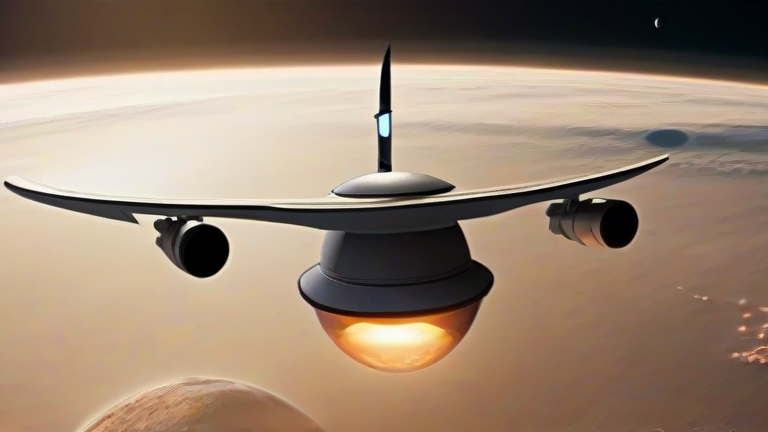
TL;DR: Space tourism is finally shedding its ultra-exclusive reputation, with ticket prices dropping to levels accessible for the upper-middle class rather than just trillionaires. This shift transforms space travel from a billionaire’s novelty into a viable, albeit expensive, lifestyle aspiration for dedicated savers.
Beyond the Price Tag: A New Era of Cosmic Exploration

For decades, the dream of leaving Earth’s atmosphere was reserved for the extremely wealthy. However, recent developments in commercial spaceflight have democratized access to the final frontier. Companies like Blue Origin and Virgin Galactic are not just selling tickets; they are selling a transformative experience that blends extreme adventure with profound personal growth. The cost has plummeted from hundreds of millions to under $500,000 for suborbital hops, and even lower for orbital vacations on the horizon.
The journey begins long before launch. Prospective astronauts undergo rigorous training, fostering discipline and mental resilience. This preparatory phase is as crucial as the flight itself, offering a unique opportunity for self-discovery. Participants learn to manage fear, trust their teams, and appreciate the fragility of our planet. Many travelers report a “overview effect,” a cognitive shift in awareness that promotes environmental stewardship and global unity upon returning home.
While the cost is steep, it is comparable to buying a luxury home or funding a child’s private education. For many, the value lies in the story and the perspective gained. The cultural impact is significant, as space tourism encourages public interest in science, technology, engineering, and mathematics (STEM). It inspires a new generation to look up, fostering curiosity and innovation.
Food and comfort in space are also evolving. High-end meals, once a novelty, are now carefully curated to provide nutrition and pleasure in microgravity. The culinary experience is a highlight, offering flavors that are uniquely adapted for the space environment. This attention to detail ensures that the journey is not just about survival, but about enjoyment and celebration.
As infrastructure improves and competition increases, prices will likely stabilize further. The key is to view space tourism not as a mere expense, but as an investment in personal legacy and global awareness. It is a chance to see humanity from a new angle, reminding us of our shared home.
FAQ
Q: How much does a suborbital space flight cost currently?
A: Prices typically range from $250,000 to $500,000 depending on the provider and seat availability.
If you want to dig deeper, check out our guide on Personalized Microbiome Diets vs. Generic Nutritional Guidel.
Q: Are there strict medical requirements for space tourists?
A: Yes, candidates must pass rigorous physical and psychological evaluations to ensure safety during launch and re-entry.
Q: Can ordinary people afford space travel in the next decade?
A: While still expensive, prices are expected to drop significantly as technology advances and market competition grows.
Leave a Reply