
Space Tourism Bookings Surge for Lunar Flybys
The landscape of travel is undergoing a radical transformation, shifting from terrestrial vacations to extraterrestrial adventures. Recent market reports indicate a significant surge in bookings for lunar flyby missions, driven by private aerospace companies aiming to democratize access to space. While this development captures the global imagination, it also raises critical questions about human health and physiological adaptation. As we prepare to leave our atmosphere, understanding the body’s response to microgravity and radiation becomes paramount for both aspiring astronauts and the general public interested in the future of exploration.
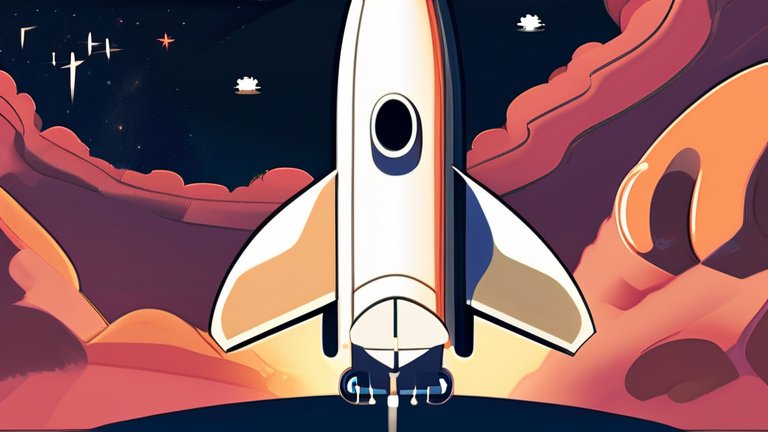
One of the most immediate challenges for travelers is the physiological stress of launch and re-entry. The G-forces experienced during liftoff can strain the cardiovascular system. To mitigate these risks, experts recommend a rigorous pre-flight conditioning program. Cardiovascular endurance exercises, such as running and swimming, strengthen the heart and improve blood flow efficiency. Additionally, core strengthening workouts help stabilize the spine against the intense vibrations of rocket launch. These exercises should begin at least three months before departure to allow the body to adapt fully.
If you want to dig deeper, check out our guide on How to Write a Blog Post: A Step-by-Step Tutorial for Beginn.
Once in space, the absence of gravity leads to rapid muscle atrophy and bone density loss. Astronauts on the International Space Station lose approximately one to two percent of their bone mass per month. For lunar flyby participants, who may experience short periods of microgravity, preventive measures are essential. Resistance training using elastic bands or specialized space-based equipment can help maintain muscle tone. Furthermore, nutrition plays a crucial role. A diet rich in calcium, vitamin D, and protein is vital for bone health. Travelers are advised to consult with nutritionists to create personalized meal plans that support skeletal integrity during and after the mission.
Radiation exposure is another significant health concern. Beyond Earth’s protective magnetosphere, cosmic rays pose a risk of cellular damage. To minimize this, spacecraft are designed with shielding materials, but passengers should also adopt lifestyle habits that enhance cellular repair. Antioxidant-rich foods, such as berries, leafy greens, and nuts, can help combat oxidative stress caused by radiation. Staying hydrated is equally important, as dehydration can exacerbate the effects of radiation exposure
Leave a Reply